Wellness
How Active Ageing Is Reshaping Hong Kong's Wellness Landscape
From tai chi circles in Victoria Park to accessible hiking groups tackling Dragon's Back, older Hongkongers are redefining what it means to grow older in the city.
3 min read
Wellness
From tai chi circles in Victoria Park to accessible hiking groups tackling Dragon's Back, older Hongkongers are redefining what it means to grow older in the city.
3 min read
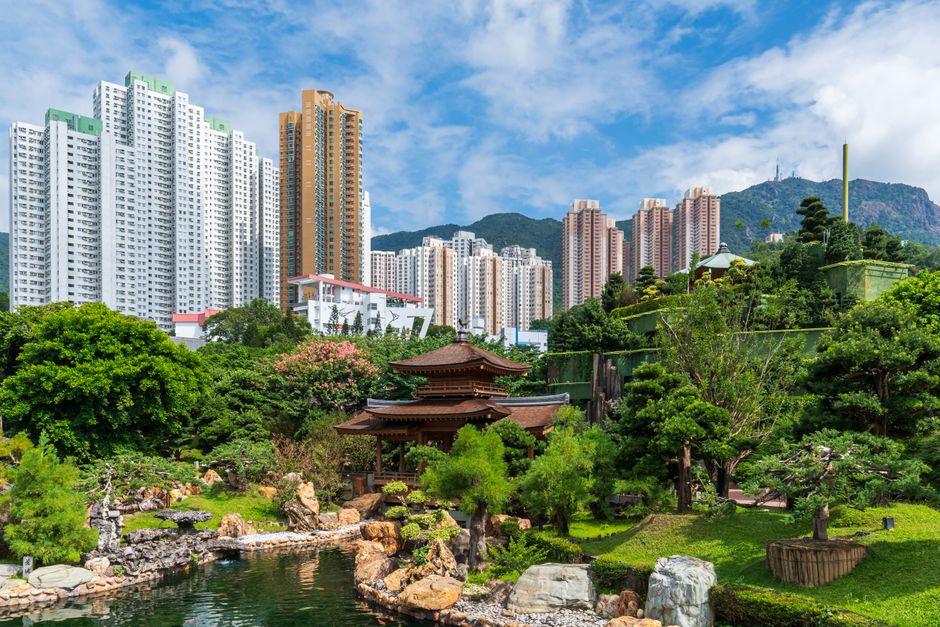
On any weekday morning, Victoria Park transforms into an open-air wellness hub. Dozens of older adults move through tai chi sequences, their movements fluid and deliberate. What was once a quiet corner of fitness culture has become one of Hong Kong's most visible active ageing phenomena—and the trend shows no signs of slowing.
The shift is measurable. According to the Department of Health's latest wellness initiative data, participation in structured senior exercise programmes across Hong Kong's 18 districts has grown 34 percent since 2023. Community centres from Causeway Bay to Tsim Sha Tsui now offer subsidised mobility and strength classes targeting those over 60, with fees ranging from HK$15 to HK$45 per session.
What's driving this? Dr's across the city's public clinics report a change in how older patients approach their health. Rather than viewing retirement as a signal to slow down, many are adopting what researchers call "mobility-first" ageing—maintaining strength and flexibility to sustain independence.
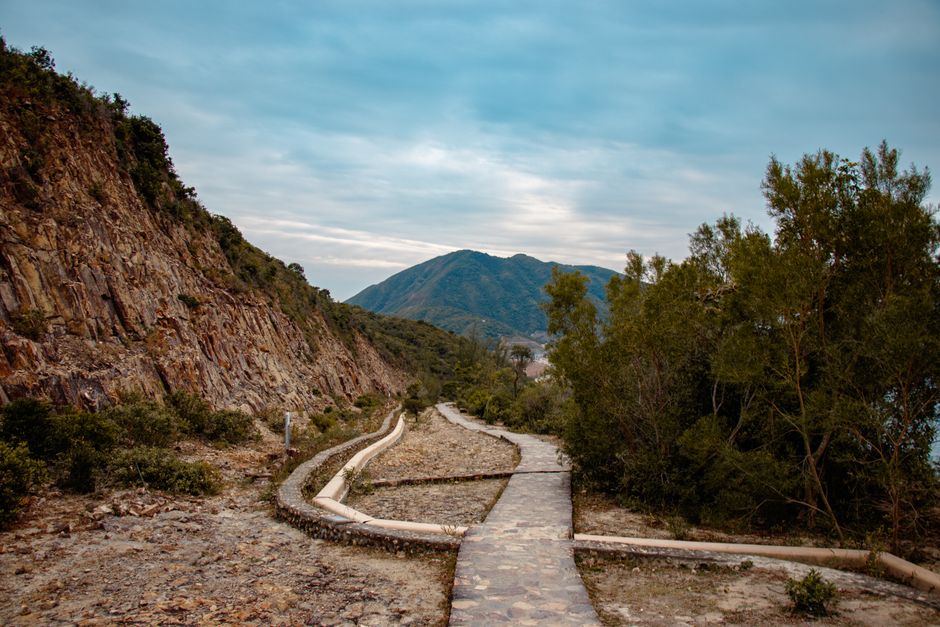
The city's iconic trails have become unlikely symbols of this movement. Dragon's Back, the scenic route between Shau Kei Wan and Big Wave Bay, has seen a marked increase in older hikers, many joining organised groups through community centres in Quarry Bay and Chai Wan. Even the legendary MacLehose Trail, with its 100-kilometre span across the New Territories, now attracts dedicated senior hiking clubs that tackle sections systematically over months.
Neighbourhood-level initiatives matter most. In Mong Kok, the local community centre launched a "morning mobility" programme three times weekly, combining gentle movement with social connection—addressing two critical factors in healthy ageing. Similar schemes have rippled through Sham Shui Po, Stanley, and Repulse Bay.
Technology has played a quiet role too. Fitness apps adapted for older users, and WhatsApp groups coordinating hiking meetups, have lowered barriers to participation. What was once word-of-mouth has become organised and accessible.
The momentum reflects a broader shift in how Hong Kong views ageing. Rather than positioning older adults as passive healthcare users, the city is increasingly recognising them as active participants in their own wellness. It's changing the landscape of parks, community spaces, and healthcare messaging.
For those interested in joining, the Department of Health website lists district-based programmes, while most community centres accept walk-ins for tai chi and exercise classes. Local hiking groups can be found through district councils and Facebook community pages.
This article was compiled by AI from the sources linked above and screened before publishing. See our editorial standards.
About this article
Published by The Daily Hong Kong
Spread the word
Daily brief
Free, in your inbox before 7am. Weekdays.
Before you go
The day's Hong Kong news in a 2-minute read. Free, weekday mornings.