Senior Mobility Revolution: How Hong Kong's Active Ageing Lags Behind Global Wellness Trends—But Is Catching Up Fast
While Western countries invest heavily in structured senior fitness programmes, Hong Kong's tai chi parks and hiking culture offer a homegrown model that's finally gaining official recognition.
This article was generated by AI from the linked public sources. The Daily Hong Kong is independently owned and covers Hong Kong news free from advertiser or sponsor influence. Read our editorial standards →
On any morning in Victoria Park or Kowloon Park, you'll spot dozens of older adults moving through tai chi sequences, their movements fluid and deliberate. Yet globally, active ageing has become a multi-billion-dollar wellness sector, with dedicated senior gyms, fall-prevention classes, and mobility tracking apps dominating markets in the US, UK, and Australia. Hong Kong's approach—rooted in traditional practices and outdoor community culture—tells a different story about how cities age well.
The World Health Organization's 2021 Active Ageing Framework positioned movement as central to healthy later life, recommending 150 minutes of moderate activity weekly for adults over 65. In response, countries like Japan launched 'Silver Human Resources Centres', while Singapore introduced subsidised gym memberships through its Health Promotion Board. Hong Kong's Department of Health offers free tai chi and gentle exercise classes at 18 community venues across Wan Chai, Causeway Bay, and Shatin, but uptake data remains limited. Local senior participation in structured mobility programmes sits at roughly 12-15%, compared to 22% in Singapore and 31% in Australia.
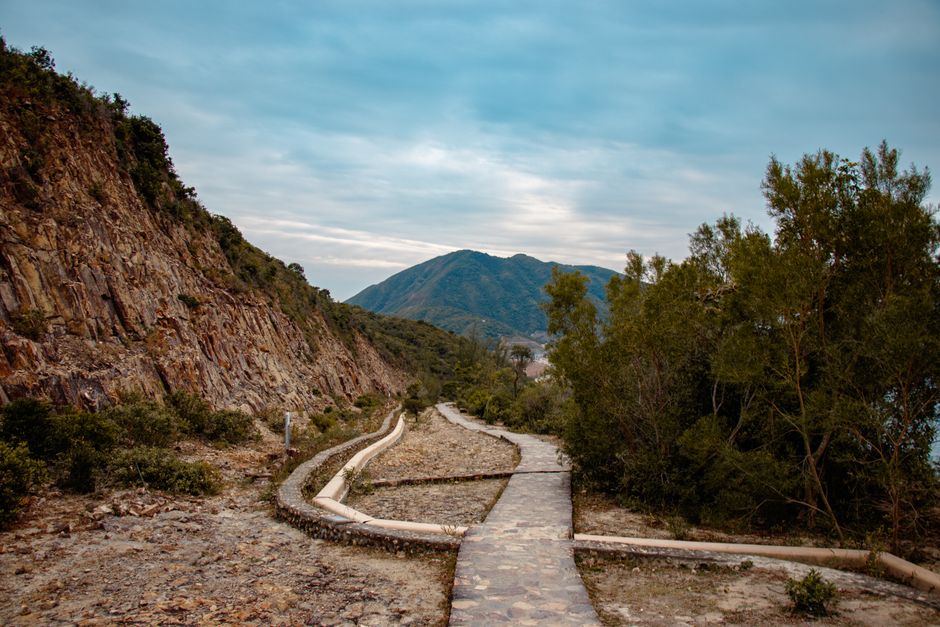
What sets Hong Kong apart is its natural laboratory for active ageing: the Peak Trail, Dragon's Back hike, and the legendary MacLehose Trail attract hundreds of seniors weekly. A 2024 Hong Kong Hiking Association survey found that 34% of regular hikers were over 60, many managing chronic conditions through regular trekking. These aren't fitness enthusiasts—they're ordinary residents choosing movement as a lifestyle anchor.
Yet this grassroots success masks infrastructure gaps. While Seoul invested ₩180 billion in senior wellness centres, and Vancouver expanded accessible walking routes, Hong Kong's policy response has been modest. The government's Active Ageing Hub, launched in 2023, focuses on awareness rather than subsidised access. Private options—like physiotherapy clinics in Central and Admiralty offering mobility assessments at HK$800–1,200 per session—remain beyond reach for many.
The tide is turning. Recent government grants to organisations running senior exercise programmes in public housing estates, plus partnership with District Health Centres across Hong Kong Island and Kowloon, signal institutional recognition that movement matters. Occupational therapists at Tung Wah Group of Hospitals now offer home-based mobility training, addressing the reality that not all seniors can reach parks or trails.
Hong Kong's competitive advantage isn't copying Western gym models—it's amplifying what already works. The morning tai chi crowd, the weekend hikers, the stair-climbers of Mid-Levels: they're the evidence. What's needed now is infrastructure and subsidy to make that cultural foundation accessible to all, not just the motivated few.
This article was compiled by AI from the sources linked above and screened before publishing. See our editorial standards.
Covering wellness in Hong Kong. This article was generated by AI from the linked sources and was not reviewed by a human editor before publishing. See our editorial standards.