Walk through Victoria Park on any weekday morning and you'll witness Hong Kong's fastest-growing wellness movement: seniors moving with intention. Tai chi practitioners flow through their sets as the city wakes up. Nearby, women in their 60s and 70s stretch on park benches before power-walking the perimeter. This isn't incidental activity—it's a deliberate shift in how Hong Kong's older population approaches health.
The trend reflects demographic reality. According to the Department of Health, roughly 20 per cent of Hong Kong's population is now aged 65 or older, a figure projected to reach 30 per cent by 2050. Rather than viewing these years as a decline, a growing cohort of active-age adults is investing in mobility and strength maintenance with the same commitment younger Hongkongers bring to fitness classes.
Community centres across the city are responding. The Tung Wah Group of Hospitals runs subsidised mobility classes at branches in Causeway Bay, Wan Chai, and North Point, charging as little as HK$30 per session for residents over 60. Enrolment in these programmes has surged 35 per cent over the past two years, according to internal data shared with wellness organisations. The focus is practical: balance, core strength, and functional movement designed to prevent falls—the leading cause of injury-related death among Hong Kong's elderly.
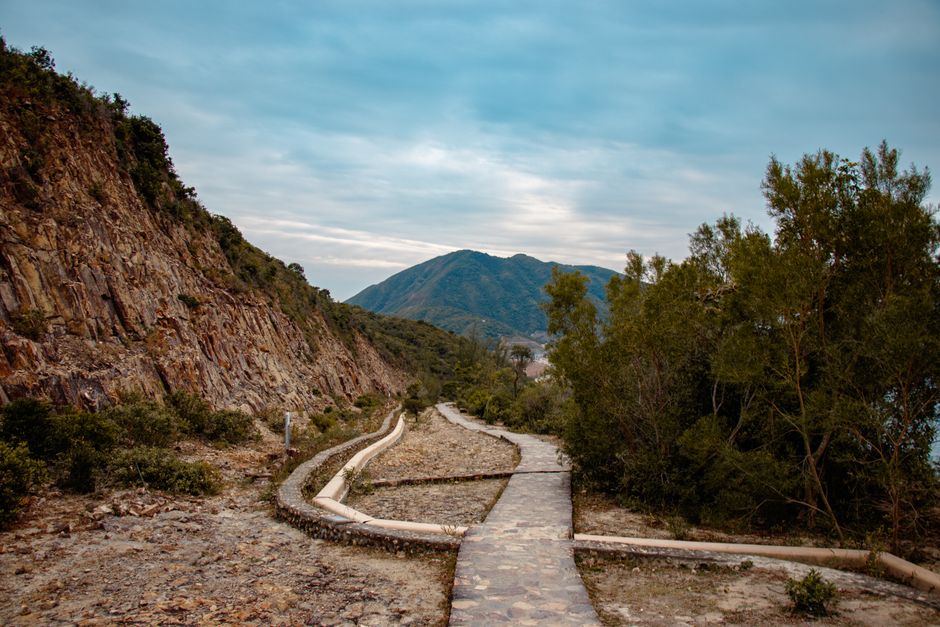
More adventurous seniors are tackling structured trails. The MacLehose Trail's gentler sections, particularly Stage 2 near Sai Kung, have become informal gathering points for hiking groups catering to people over 60. Dragon's Back, the scenic 1.7-kilometre ridge walk in Shau Kei Wan, now sees regular guided groups organised through senior activity centres, offering both cardiovascular benefit and community connection.
This movement carries profound social benefits. Isolation among Hong Kong's elderly remains a public health concern, but group-based mobility activities address this directly. Whether it's tai chi in Kowloon Park or a water aerobics class at Eastern District Sports Centre in Quarry Bay, the shared experience of moving together—and visibly improving together—creates accountability and belonging.
Medical professionals increasingly endorse this shift. Experts emphasise that even modest regular movement significantly reduces fall risk, maintains bone density, and supports cognitive function. For Hong Kong's seniors, mobility wellness isn't aspirational—it's practical self-care adapted to this city's unique geography and pace.
The message resonating across Hong Kong's active-age community is simple: your 60s and 70s aren't an ending. They're an invitation to move differently, stronger, and together.
This article was compiled by AI from the sources linked above and screened before publishing. See our editorial standards.