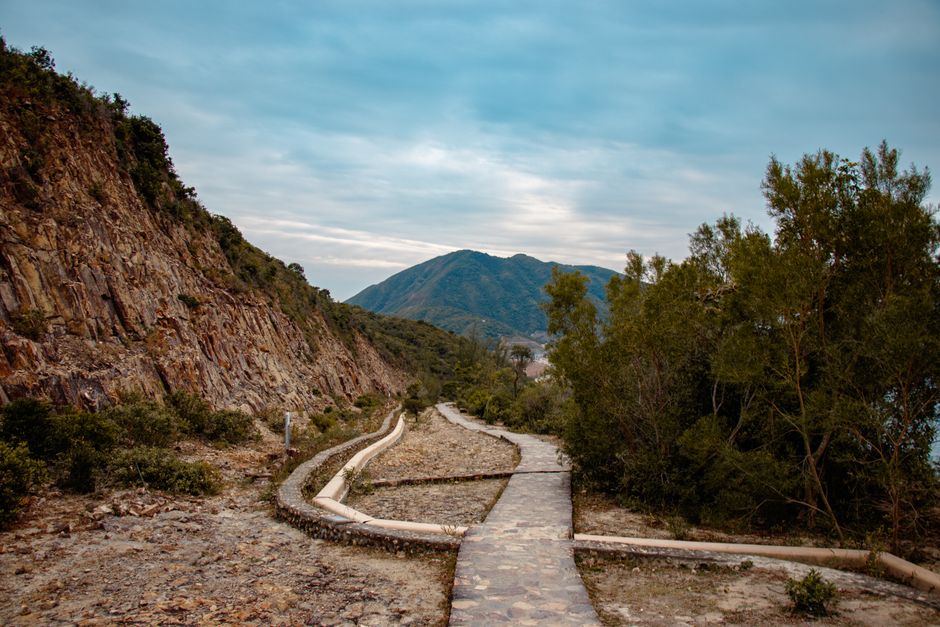
On Sunday mornings, the entrance to Dragon's Back in Shau Kei Wan fills with runners of all ages and fitness levels. What was once a quiet hiking path has become an unofficial community hub where locals—many pursuing their first serious fitness journey—lace up and challenge themselves on one of Hong Kong's most rewarding trail runs.
The phenomenon reflects a broader shift in how residents are reclaiming their health. Unlike the high membership fees of Central and Admiralty fitness centres, the city's 24-hour accessible trails cost nothing, yet offer transformation stories that rival any wellness programme.
Across neighbourhoods, the pattern is similar. Early risers now populate the Peak Trail loop above Central, where morning light filters through dense canopy. On the New Territories side, sections of the MacLehose Trail—including the gentler Stage 2 near Sai Kung—attract weekday runners building base fitness. Even urban corridors like the Victoria Harbour waterfront promenade in Wan Chai have become de facto running communities, with groups organising informal meetups through neighbourhood WhatsApp channels.
What makes these spaces transformative isn't just the routes themselves. It's the low-barrier access. A pair of trainers and willingness are sufficient entry points. The Department of Health's Active Hong Kong campaign has also bolstered awareness, promoting trails and outdoor spots as preventative health infrastructure.
Local running clubs—many operating independently through social media—have proliferated. Groups organising at venues like Shing Mun Reservoir in Kwai Chung, or meeting near Tsing Yi's waterfront parks, provide the community accountability that isolated treadmill sessions cannot. These gatherings function as informal health interventions, where beginners run alongside experienced athletes, and shared struggle builds social connection.
The economic dimension matters too. For residents navigating post-pandemic finances, outdoor running trails eliminate recurring gym costs while delivering measurable health outcomes—improved cardiovascular fitness, weight management, and mental clarity documented in fitness tracking apps.
Geography helps. Hong Kong's compact layout means most residents live within 20-30 minutes of quality running terrain. Kowloon residents access Lion Rock's northern routes; Island dwellers have Stanley Gap Road or Wong Nai Chung Gap accessible by minibus or short drives.
For those considering starting, local physiotherapy clinics and Department of Health wellness centres in districts citywide offer free or subsidised consultations to ensure safe running practices. Beginning on flatter routes—the Waterfront promenade, or early MacLehose sections—allows gradual adaptation before tackling elevation.
These trails represent more than fitness infrastructure. They're democratic spaces where health transformation becomes a shared neighbourhood experience, accessible to anyone willing to step outside.
This article was compiled by AI from the sources linked above and screened before publishing. See our editorial standards.