Early morning in Victoria Park, the tai chi pavilion fills with silver-haired practitioners moving through tai chi sequences. What they're doing—and what they rarely discuss—is one of Hong Kong's most effective anti-ageing wellness secrets: consistency over intensity.
Dr Margaret Wong, a gerontologist at the Department of Health's Wan Chai clinic, notes that Hong Kong's urban layout inadvertently supports active ageing. "Our vertical living means stairs are unavoidable," she explains. "Seniors who accept this rather than resist it develop stronger legs and better balance."
Local wellness patterns reveal a trend: successful agers aren't joining expensive gyms. Instead, they've embedded movement into daily life. Rising at 6am to walk from Causeway Bay to Victoria Park (15 minutes). Taking stairs instead of the MTR escalator at Central Station. Walking to dai pai dong in Mong Kok rather than ordering delivery. These aren't structured exercises—they're habits.
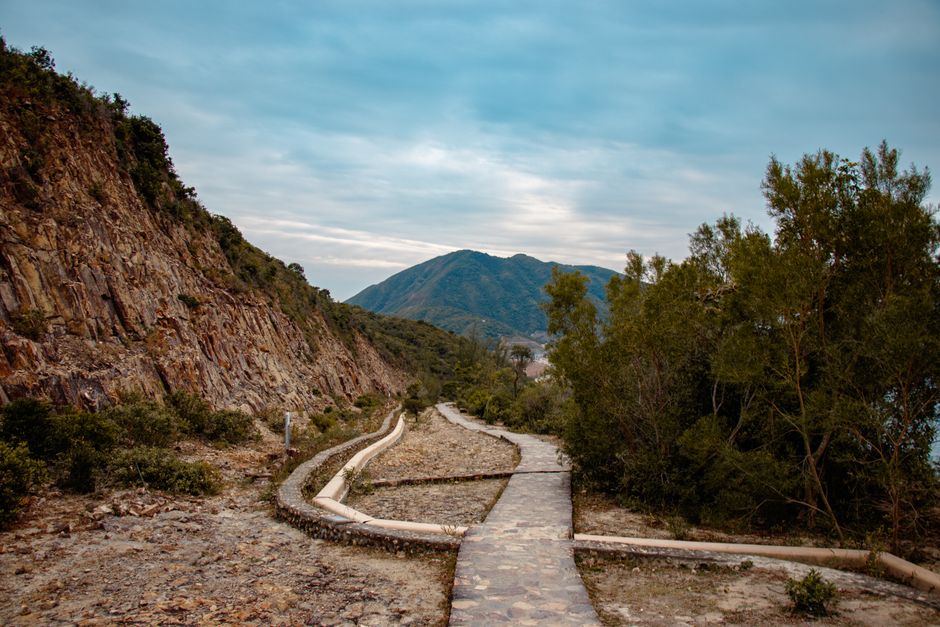
The MacLehose Trail's gentler sections, particularly between Sai Kung and Clear Water Bay, have become unofficial mobility hubs for residents over 65. Local community centres in Sheung Wan and North Point now offer subsidised walking groups twice weekly, priced at HK$20 per session, attracting over 200 regular participants monthly.
Mobility experts point to three habits that separate active seniors from sedentary ones. First: ambient movement integration—walking to destinations under 20 minutes rather than taking transport. Second: postural awareness during daily tasks; standing while waiting rather than sitting. Third: social accountability; joining tai chi circles or walking clubs creates consistency that solo routines rarely achieve.
The Dragon's Back hike, despite its reputation, isn't where most over-60s build their foundation. Instead, successful agers gravitate toward Peak Trail's lower sections or neighbourhood loops in Repulse Bay, building capacity gradually. "It's about finding the right incline," says a regular at the Taikoo Shing walking group. "Too easy, and you plateau. Too hard, and you quit."
What's striking isn't novelty but adaptation. Hong Kong residents have simply learned to work with their environment rather than against it. The city's density, which younger residents sometimes curse, becomes an asset: multiple short walks accumulate daily without feeling like "exercise."
The result? Local Department of Health data from 2024 showed that seniors maintaining these integrated movement habits reported 40 per cent fewer falls and significantly better reported joint function than sedentary peers. Not through supplements or special programmes—through stairs, walks, and routine.
This article was compiled by AI from the sources linked above and screened before publishing. See our editorial standards.