Sleep wellness has become a cornerstone of global health culture. From Copenhagen's 'koselig' bedtime rituals to California's biohacking sleep optimization, the world has woken up to rest's importance. Yet Hong Kong—a city that famously treats sleep as a luxury rather than necessity—remains stubbornly behind the curve, even as awareness grows.
Recent surveys suggest Hong Kong residents average just 6.8 hours nightly, well below the WHO-recommended seven to nine hours. The Department of Health's ongoing wellness initiatives acknowledge this gap, yet adoption of evidence-based sleep practices remains patchy. While global sleep tech markets exploded to US$585 billion in 2025, Hong Kong's uptake of mattress technology and sleep tracking remains modest compared to Singapore or Australia.
Yet something is shifting. Traditional tai chi culture in Victoria Park and Kowloon Park—once associated purely with morning energy—is being reframed locally as evening recovery practice. Practitioners increasingly recognize the connection between gentle movement and sleep quality, mirroring global research into movement-based relaxation. Meanwhile, wellness centres across Central, Causeway Bay and Sheung Wan now prominently advertise sleep coaching packages, a service almost absent five years ago.
The pricing reflects Hong Kong's premium positioning: sleep consultations at private clinics range from HK$800–$2,500, significantly higher than regional competitors. Yet demand suggests locals are willing to invest. Several District Health Centres, including facilities in Wong Tai Sin and Sham Shui Po, have begun free sleep hygiene workshops—a public health acknowledgment that sleep inequality requires intervention.
Global trends emphasize sleep architecture: circadian rhythm alignment, blue-light reduction, and temperature control. Hong Kong's humid subtropical climate creates specific challenges—air conditioning noise and summer heat disrupt sleep differently than Nordic winters. Local practitioners are beginning to adapt international protocols. Recommendations now explicitly address Hong Kong's 24-hour food culture and late-night work habits, rather than importing wholesale Western approaches.
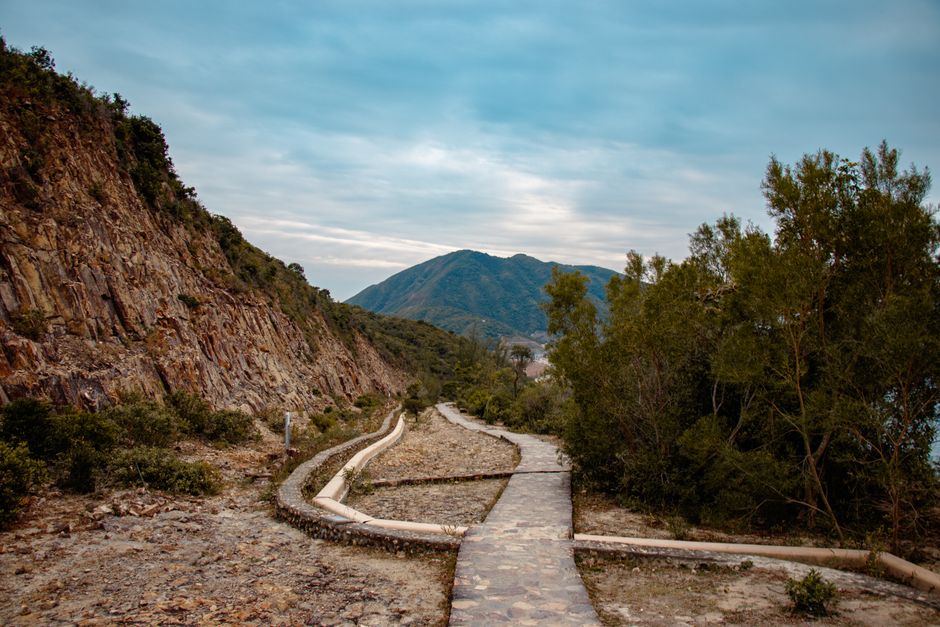
The MacLehose Trail community has inadvertently become an unexpected sleep wellness hub. Weekend hikers report improved night rest, validating global research on nature exposure and sleep quality. This grassroots adoption—locals discovering rest benefits through outdoor culture—may prove more effective than top-down wellness messaging.
Hong Kong's sleep revolution won't mirror Scandinavia's cosy retreat culture or Silicon Valley's quantified optimization. Instead, it appears to be blending traditional practices—tai chi, herbal medicine consultations—with modern sleep science. For a city historically dismissive of rest, even this gradual alignment with global wellness trends represents meaningful progress.
This article was compiled by AI from the sources linked above and screened before publishing. See our editorial standards.