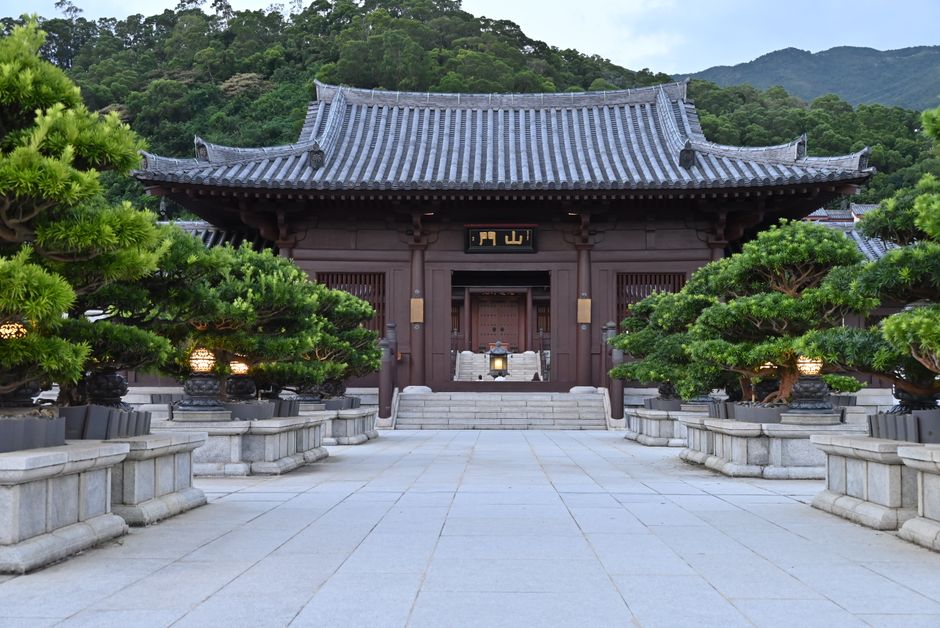
On any given morning in Victoria Park or around the Taoist temples in Wan Chai, you'll spot dozens of Hong Kongers moving slowly through yoga postures or sitting in silent meditation. What was once dismissed as fringe wellness has become mainstream, with good reason: neuroscience is finally catching up to what yogis have practised for millennia.
Recent neuroimaging studies reveal that consistent meditation physically alters the brain. Research published in leading journals shows that regular practitioners develop increased grey matter density in regions linked to emotional regulation, self-awareness, and memory. For Hong Kong's high-pressure professional class—where stress-related illness remains a leading health concern—this translates to measurable resilience.
"The evidence is compelling," says the research emerging from institutions worldwide. Regular meditation practitioners show lower cortisol levels, reduced blood pressure, and improved heart rate variability. These aren't subjective feelings; they're biomarkers that can be measured in a Department of Health clinic or private medical setting across Hong Kong.
Yoga adds another layer. Unlike passive meditation, the physical practice combines movement with breath control (pranayama), creating what researchers call a "biofeedback loop." Studies document that yoga practitioners report fewer joint complaints—aligning with recent wellness discussions about protecting mobility through gentler movement. The practice also activates the parasympathetic nervous system, the body's natural brake on stress.
Local studios in Central, Causeway Bay, and Sheung Wan have reported 40 per cent growth in membership over the past three years, with classes ranging from ₾150–₾300 per session. Community centres in neighbourhoods like Sham Shui Po and Tuen Mun offer subsidised programmes, making these practices accessible beyond premium pricing.
What makes this particularly relevant for Hong Kong is the intersection with traditional practices. Tai Chi, practised in morning parks across the city for generations, operates on identical neurological principles—movement, breath, and mindfulness working together. Western science is simply providing the vocabulary for what local culture has always understood.
The research gap remains in long-term studies—most evidence comes from 8–12 week interventions. Real-world benefits require consistency. A 2024 review noted that even modest practice (20 minutes, three times weekly) produces measurable outcomes.
For those considering starting, the science supports beginning small. Whether through a studio in your neighbourhood, a community centre class, or traditional morning Tai Chi in a local park, the neurological investment is real. The question isn't whether meditation and yoga work—the data now answers that clearly. It's whether you'll commit to the practice.
This article was compiled by AI from the sources linked above and screened before publishing. See our editorial standards.