Every morning at 6 a.m., Victoria Park in Causeway Bay fills with a familiar rhythm: the synchronized movements of tai chi practitioners, many of them well into their seventies and eighties. What once seemed like a gentle pastime has become something far more profound for Hong Kong's ageing population—a gateway to active ageing that extends far beyond the park.
The numbers tell a compelling story. According to the Department of Health, Hong Kong's population aged 65 and over will reach 20 percent by 2030. Yet increasingly, seniors aren't accepting the sedentary decline that age once promised. Instead, they're joining community-led wellness programmes that prioritize mobility, strength and social connection.
Take the MacLehose Trail Challenge groups now operating throughout the New Territories. What began as informal hiking meetups has evolved into structured programmes where participants aged 60–75 progressively build endurance, tackling sections of the famous 100km trail in manageable stages. The Stanley Waterfront Promenade has similarly become a hub for seniors practicing tai chi and balance work—practical movements designed to prevent falls, the leading cause of injury-related death in older adults locally.
Organizations like the Hong Kong Elderly Commission partner with District Health Centres across neighbourhoods—from Central and Western to Wan Chai—to offer subsidized mobility classes and assessment clinics. Fees typically range from HK$50–200 per session, making professional guidance accessible. These centres focus on joint protection, functional movement, and fall prevention—addressing the real, daily challenges seniors face climbing tenement stairs or navigating crowded MTR stations.
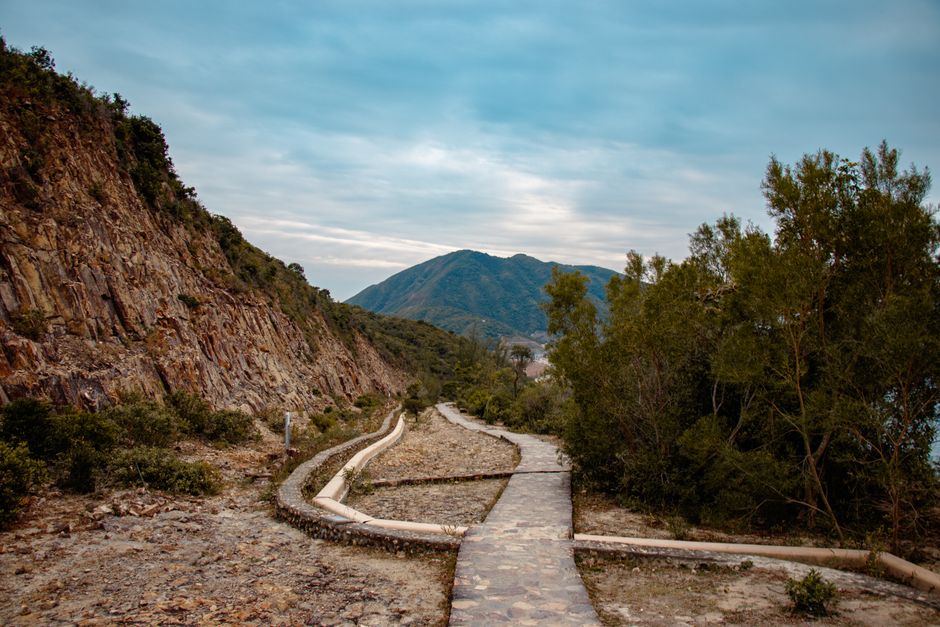
The transformation extends to less obvious spaces. Community halls in Sheung Wan and Sham Shui Po now host weekly balance and strength sessions. Some participants report regaining confidence to walk to local markets unassisted. Others have progressed from short walks along the Peak Tram Upper Station promenade to attempting Dragon's Back—one of Hong Kong's most accessible yet rewarding ridge hikes.
What makes these local stories compelling isn't just physical change. Participants consistently report renewed social connection, reduced isolation, and restored sense of purpose. In a city where many older adults live alone, these community spaces have become vital anchors.
For seniors considering starting their own wellness journey, experts consistently recommend consulting a local GP or visiting a Department of Health clinic first. But the evidence from across Hong Kong is clear: mobility, strength and independence aren't lost inevitably to age. With community support, proper guidance, and consistent effort, they can be reclaimed—one step, one stretch, one morning at a time.
This article was compiled by AI from the sources linked above and screened before publishing. See our editorial standards.