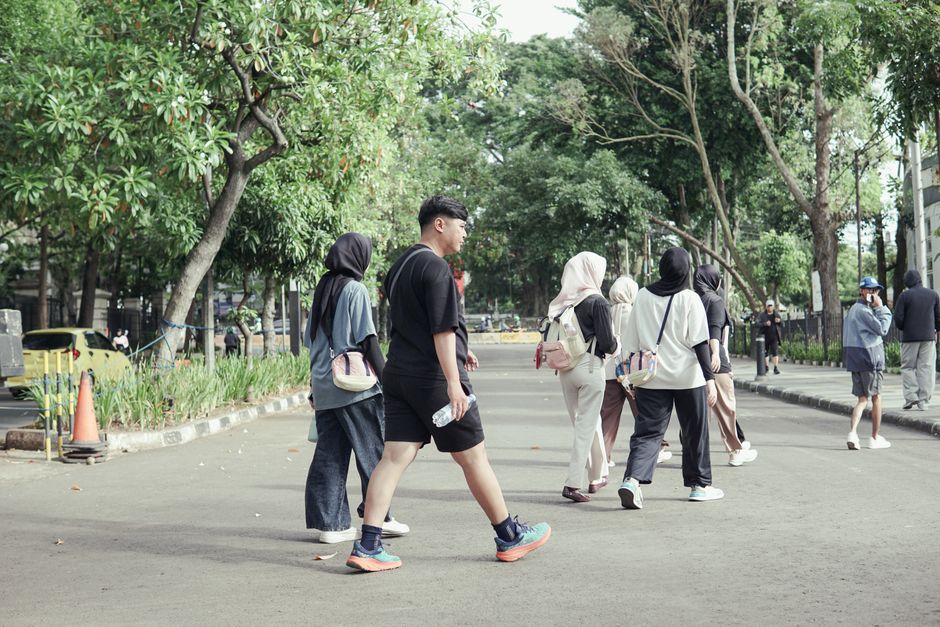
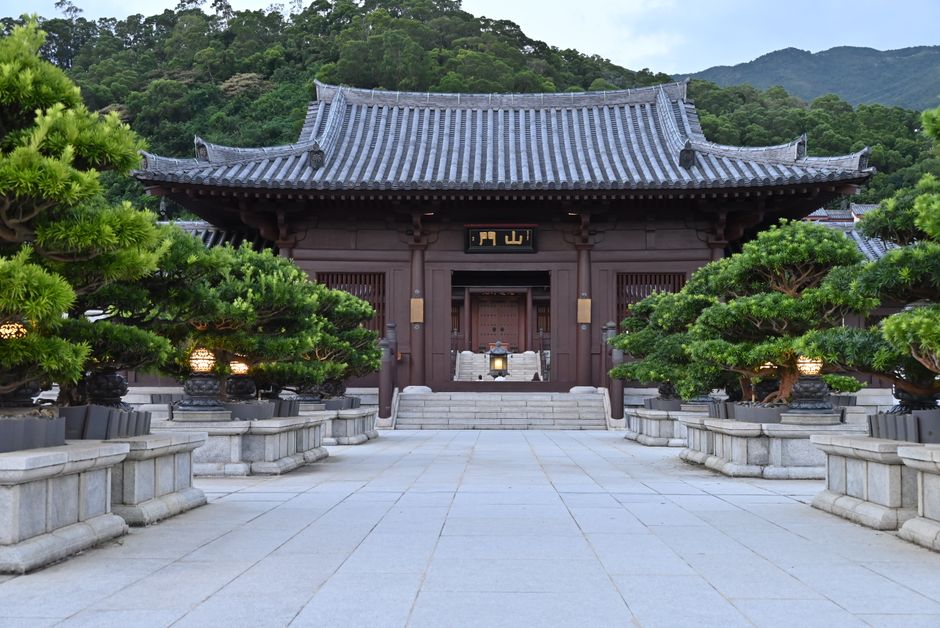
Walking may seem solitary, but in Hong Kong's densely packed neighbourhoods, it's becoming increasingly social. Across districts from Causeway Bay to Tuen Mun, informal walking groups have sprung up organically, driven by residents seeking low-cost, accessible exercise and genuine community connection. If you've considered starting one in your area, the barriers are surprisingly minimal.
Begin by identifying your route. Choose something realistic for mixed fitness levels—a 3–5 kilometre loop works well for beginners. Neighbourhood landmarks matter: residents of Sheung Wan might anchor walks around the Tai Chi parks near Victoria Harbour's promenade, while Sham Shui Po walkers could loop through Kowloon Walled City Park. Check with your local District Council office or Housing Department if your route crosses public housing estates; most welcome community groups with simple notification.
Next, recruit quietly. Post flyers on community noticeboards in MTR stations, wet markets, and neighbourhood centres—the Department of Health operates clinics across all 18 districts with bulletin boards. Social media groups specific to your district (many neighbourhoods have active WhatsApp or Facebook communities) are goldmines. Aim for 6–12 founding members; too large, and groups lose cohesion.
Set a schedule and stick to it. Early morning suits Hong Kong's climate and aligns with the tai chi tradition already embedded in local parks culture. A twice-weekly cadence—say, Tuesday and Saturday mornings at 7am—establishes habit without overwhelming volunteer organisers. Your commitment matters: consistency builds trust.
Keep costs negligible. Walking requires no membership fees or equipment beyond comfortable shoes. Some groups in Central and Mid-Levels have partnered with local cafés for post-walk coffee discounts, but this is optional. You might invest HK$500–1,000 for printed maps or safety vests if you grow beyond 20 members, but this is not essential.
Manage safety and inclusivity pragmatically. Establish a WhatsApp chat for updates and absences. Agree on a modest pace—roughly 4–5 kilometres per hour—that accommodates older adults and those returning to fitness. If someone has mobility concerns, suggest modifications: shorter routes, rest stops, or the option to walk segments. This inclusivity often attracts participants who've avoided gyms or formal classes.
Finally, keep leadership distributed. Designate a backup organiser early. Walking groups thrive when one person isn't carrying all responsibility; rotate route-planning or social duties among three or four committed members.
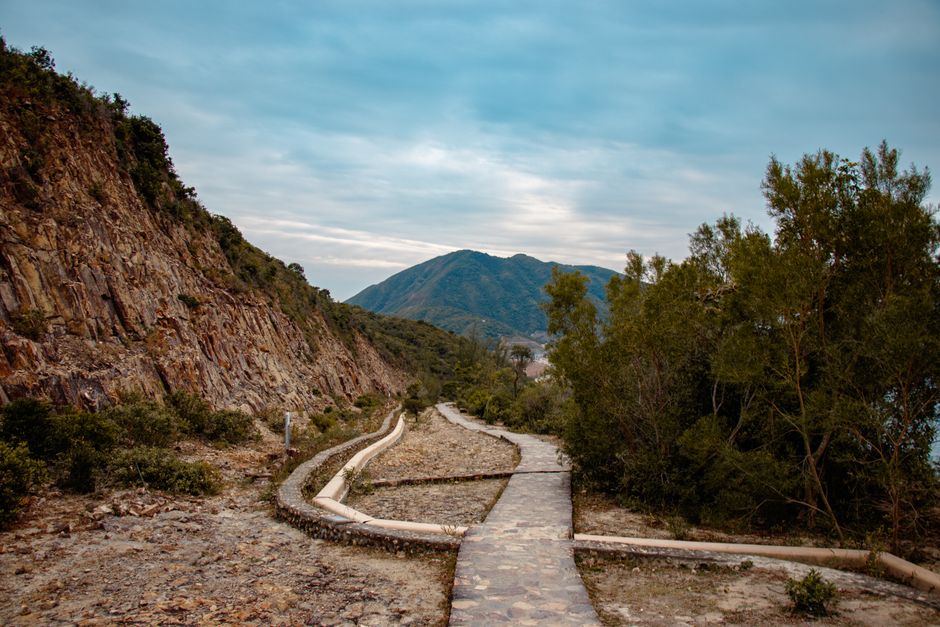
Hong Kong's natural advantages—accessible waterfront trails, park systems, and neighbourhood density—make neighbourhood walking groups surprisingly viable. Your first step is often the hardest.
This article was compiled by AI from the sources linked above and screened before publishing. See our editorial standards.