Why Hong Kong's outdoor running trails deliver measurable wellness gains: what the research reveals
From Dragon's Back to the MacLehose Trail, scientists explain how terrain-based running boosts physical and mental health in ways flat pavement cannot.
This article was generated by AI from the linked public sources. The Daily Hong Kong is independently owned and covers Hong Kong news free from advertiser or sponsor influence. Read our editorial standards →
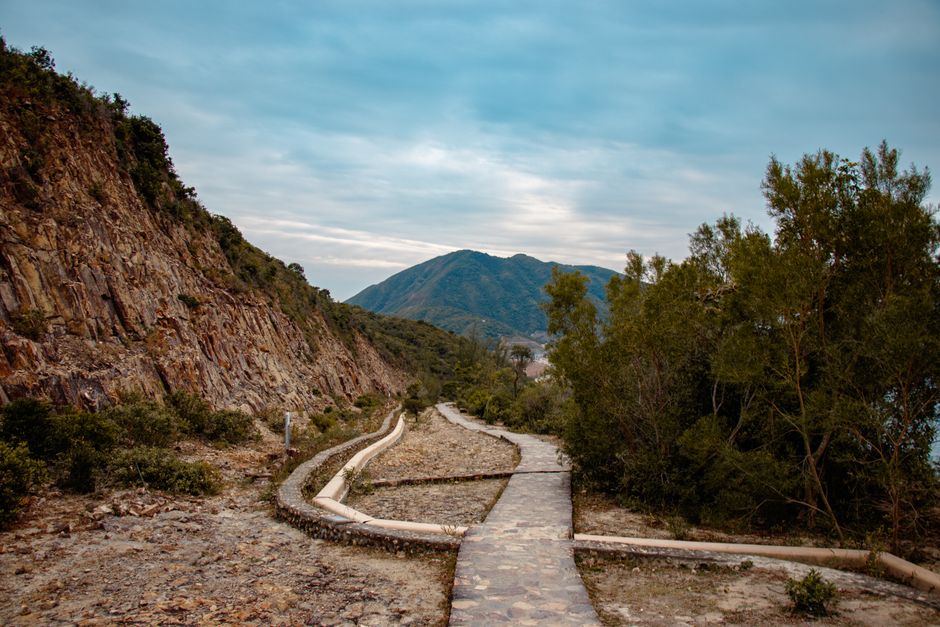
Hong Kong's obsession with outdoor running trails isn't merely aesthetic. A growing body of peer-reviewed research suggests that trail-based running—particularly on the undulating terrain that defines routes like Dragon's Back in Shau Kei Wan or sections of the MacLehose Trail spanning the New Territories—delivers measurable physiological and psychological benefits beyond road running.
Studies published in the Journal of Sports Sciences and Environmental Research and Public Health have documented that uneven surfaces activate stabiliser muscles in the ankles, calves, and core up to 40 percent more intensely than flat pavement. For runners tackling Hong Kong's granite-and-earth trails, this translates to improved proprioception—your body's spatial awareness—and reduced injury rates over time, particularly for those aged 35 and above.
The psychological gains prove equally compelling. Research from the University of Michigan and replicated across European cohorts shows that woodland and mountain running environments lower cortisol levels—a stress hormone—by an average of 21 percent compared to urban running. Hong Kong's country parks, managed by the Agriculture, Fisheries and Conservation Department, offer accessible alternatives: the Peak Trail near Central, easily reached via tram, provides dense greenery within minutes of the urban core. Similarly, trails radiating from Sai Kung and Tai Long Wan attract runners seeking what environmental psychologists term 'attention restoration'—the cognitive recovery that nature exposure triggers.
Local runners are taking note. Annual participation in organised trail races—including the Hong Kong Trail Marathon (100km) and regional fell-running events—has grown by approximately 12 percent annually since 2023, according to local running club data. Entry fees typically range from HK$150 to HK$400 for community events, making access relatively democratic across income levels.
What makes Hong Kong particularly suited to this wellness approach is infrastructure. The Department of Health operates fitness centres across neighbourhoods like Wan Chai and Mongkok where runners can access physiotherapy and gait analysis; organisations like the Hong Kong Trail Running Club provide mentorship and route mapping for newcomers navigating technical terrain.
The science underscores an intuitive truth: Hong Kong's geography—its proximity of urban density to wild topography—creates a natural laboratory for evidence-based outdoor fitness. Whether you're a morning trail runner in Victoria Park or tackling the MacLehose's technical sections on weekends, the research confirms you're not simply exercising. You're engaging a wellness modality grounded in biomechanics and environmental neuroscience, one that Hong Kong's landscape uniquely enables.
This article was compiled by AI from the sources linked above and screened before publishing. See our editorial standards.
Covering wellness in Hong Kong. This article was generated by AI from the linked sources and was not reviewed by a human editor before publishing. See our editorial standards.