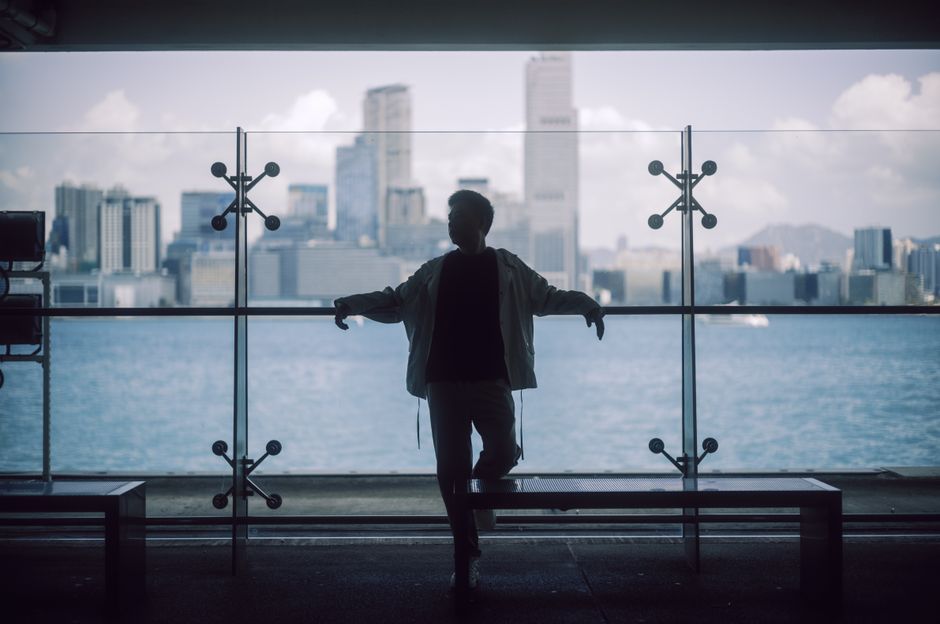
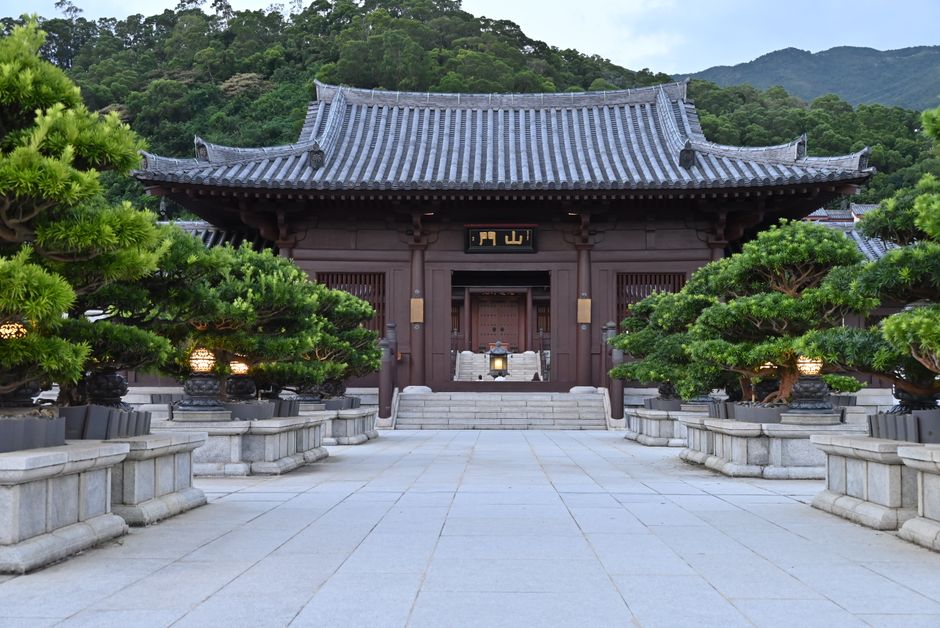
In a city where the average worker logs 50-hour weeks and convenience stores glow 24/7, sleep feels like a luxury few can afford. Yet across Hong Kong's neighbourhoods, ordinary residents are discovering that rest isn't an indulgence—it's the foundation for sustainable wellness.
Community health initiatives run by the Department of Health have documented growing interest in sleep-focused lifestyle changes. At clinics across Central, Causeway Bay, and Mong Kok, practitioners report that patients seeking help for fatigue, joint pain, and chronic stress often find relief simply by restructuring their evenings and mornings.
The shift is particularly visible in Victoria Park and Hong Kong Park, where tai chi sessions now begin earlier—5:30am rather than 6:30am—to accommodate residents who've reordered their sleep schedules. Local tai chi instructors report 30% more participation since 2024, with many citing improved sleep quality as their primary motivation. Morning practice, they explain, reinforces natural circadian rhythms, creating a virtuous cycle: better sleep at night means more energy for dawn movement.
In neighbourhood pockets like Sheung Wan and Kennedy Town, small wellness groups have sprouted around shared sleep accountability. Residents meet weekly at local cafes near Des Voeux Road West to discuss wind-down routines, screen time boundaries, and sleep environment improvements. Monthly membership costs range from $200–400, making formal wellness coaching accessible beyond premium spa districts.
Dr Chan, clinical advisor at a Causeway Bay health centre, notes that sleep transformation often precedes other lifestyle shifts. "When people genuinely rest, they naturally make better food choices and move more," she explains. "We're seeing residents who improved sleep also begin the Peak Trail or shorter Dragon's Back hike sections—they simply have the energy."
What's striking is how these changes ripple through families. Parents who establish bedtime routines find their children sleep better; improved household sleep reduces stress for all ages. For those managing chronic conditions or post-diagnosis recovery, sleep becomes the quiet cornerstone of healing that medical appointments alone cannot provide.
The message spreading through Hong Kong's communities isn't revolutionary: prioritise sleep, respect your body's rhythms, move with daylight. Yet in a city that never truly sleeps, residents are discovering that personal wellness begins the moment you decide to close your eyes—and that your neighbourhood holds the accountability and companionship to help you follow through.
This article was compiled by AI from the sources linked above and screened before publishing. See our editorial standards.