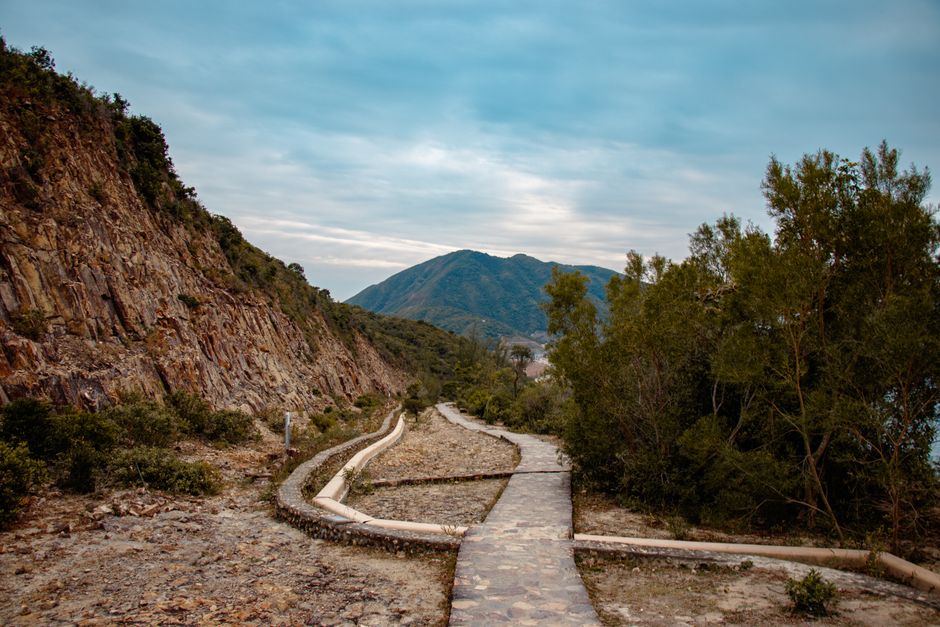
For those of us who hike the MacLehose Trail or power-walk around Victoria Peak, preventive health can feel like an afterthought. But screenings—the unglamorous backbone of wellness—are where real prevention happens.
Hong Kong's Department of Health screening clinics represent one of the most underutilised local resources available. Spread across 18 districts with centres in Causeway Bay, Central, Mong Kok, Sha Tin, and beyond, these facilities offer structured risk assessment and early detection programmes at a fraction of private clinic costs.
The Adult Health Screening Programme is the flagship offering. For approximately HK$600–HK$800, residents aged 30 and above can access cardiovascular risk assessment, diabetes screening, lipid profiling, and chronic disease counselling. Given that cardiovascular disease remains the second leading cause of death in Hong Kong, this baseline screening has tangible value. The Department of Health clinics also administer the Cervical Cancer Screening Programme (free for women aged 25–64) and the Colorectal Cancer Screening Programme (HK$100 for those 50–75), both of which align with international best-practice intervals.
What distinguishes these public facilities is accessibility without appointment pressure. Walk-in slots exist at most locations, though booking via the Department of Health website reduces wait times. The Causeway Bay centre, located near Noonday Gun, sees consistent foot traffic; the Mong Kok clinic on Nelson Street serves the densely populated Kowloon population well.
Staff at these clinics are trained to identify risk factors early—family history of cancer, sedentary lifestyle despite living near hiking trails, dietary patterns—and refer appropriately. For those without private insurance or with language barriers, the clinics operate bilingually and maintain standardised protocols.
The screenings also serve as a checkpoint before pursuing more vigorous activities. If you're training for the MacLehose Trail's 100km challenge or planning sustained tai chi sessions in a local park, a baseline cardiovascular assessment ensures you're starting from informed ground.
One practical note: results typically take 2–3 weeks. Plan your visit during quieter periods (late mornings, mid-week) to minimise queuing. Bring your HKID and a list of current medications or supplements.
Preventive screening isn't exciting—it lacks the endorphin rush of a Dragon's Back hike or the community energy of morning tai chi in parks across the city. But it's the unglamorous foundation upon which longer, healthier lives are built. Your local Department of Health clinic is worth a visit.
For clinic locations, programmes, and booking details, visit the Department of Health website or call your district health centre directly.
This article was compiled by AI from the sources linked above and screened before publishing. See our editorial standards.