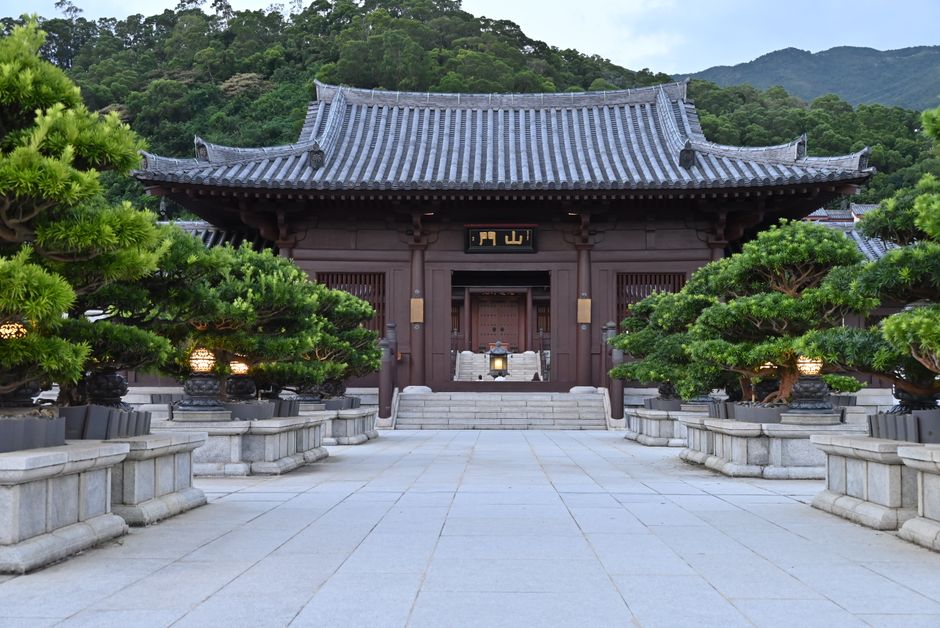
At 6:45 a.m. on a Tuesday, the tai chi practitioners in Victoria Park are wrapping up their morning routines. But increasingly, Hong Kong's wellness-conscious residents aren't rushing straight to the office. Instead, they're heading home—deliberately—to protect something their parents' generation rarely prioritised: sleep.
This shift marks a quiet but significant transformation in Hong Kong's wellness landscape. After decades of valorising the hustle culture that defined the city's financial boom, a growing segment of professionals, particularly those aged 28–45, are treating sleep and rest as non-negotiable wellness practices rather than luxuries.
"We're seeing real momentum," says Wellness Hong Kong, the city's Department of Health-supported wellness initiative, which logged a 34% increase in sleep-related clinic visits across its network of community health centres in 2025. From Causeway Bay to Sheung Wan, private wellness studios now offer dedicated sleep hygiene workshops alongside traditional fitness classes, often priced between HK$280–450 per session.
The trend extends beyond urban core neighbourhoods. In the New Territories, retreat centres near Sai Kung and Tai Po are reporting strong bookings for weekend "digital detox and sleep reset" packages, where participants spend two days without screens while learning circadian rhythm management. Local companies are taking notice: several firms in Central and Admiralty have begun offering flexible start times—allowing staff to prioritise morning sleep or evening wind-down routines—as part of employee wellness schemes.
What's driving this? Stress, certainly. Hong Kong's working culture historically normalised 10-hour days and constant connectivity. But there's also growing awareness of sleep science. Local health influencers and wellness practitioners have been discussing the link between poor sleep and chronic lifestyle diseases, resonating with a population where cardiovascular issues remain a leading health concern.
The approach isn't complicated: experts recommend consistent sleep schedules, limiting screen time after 10 p.m., and creating bedroom environments optimised for rest. Many Hongkongers are also revisiting traditional practices—like the tai chi sessions in parks across Kowloon and Hong Kong Island—recognising that gentle movement earlier in the day supports better sleep.
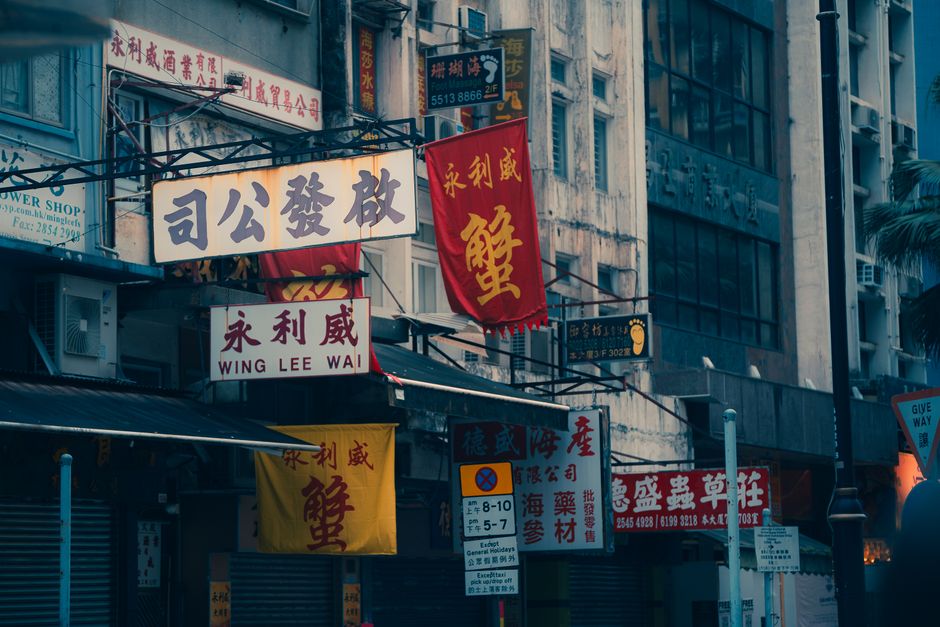
Interestingly, this mirrors shifts seen in other high-pressure Asian cities. But Hong Kong's particular challenge is its density and urban pace. In compact flats across Mong Kok and North Point, sleep wellness means something different than in sprawling cities elsewhere.
The message is spreading: rest isn't laziness. It's a legitimate wellness investment. For a city long defined by relentless momentum, that's revolutionary.
This article was compiled by AI from the sources linked above and screened before publishing. See our editorial standards.