Hong Kong's wellness culture is booming—yet many people abandon yoga and meditation within weeks, citing humidity, noise, and packed schedules as barriers. The good news: recent research offers practical solutions tailored to our subtropical urban environment.
The most pressing local challenge is thermal comfort. Studies published in the International Journal of Environmental Research and Public Health show that practitioners in humid climates report 40% higher dropout rates when studios exceed 28°C. Seek air-conditioned spaces—the yoga studios concentrated around Central and Causeway Bay maintain 22–24°C reliably—or practise early morning sessions in neighbourhood parks like Victoria Park before temperatures peak. Science supports this: cortisol levels, a marker of stress, drop more effectively in cooler environments during meditation.
Noise pollution is another Hong Kong-specific hurdle. Research from the Hong Kong Institute of Urban Design found that peak traffic noise on Des Voeux Road and Nathan Road averages 75 decibels—enough to disrupt parasympathetic activation. Solution: time your practice during quieter hours (before 7am or after 9pm) or choose studios in quieter pockets: Sai Kung, Stanley, or the quieter floors of buildings in Sheung Wan. Even 10 minutes of meditation in low-noise conditions proves more restorative than 30 minutes amid construction sounds.
For meditation specifically, evidence favours consistency over duration. A 2024 study in *Mindfulness* journal found that eight minutes daily outperforms sporadic 45-minute sessions. This suits Hong Kong's commuter lifestyle: practise on the MTR (off-peak trains offer relative stillness), or use apps offering guided sessions in Cantonese—the Hong Kong Buddhist Association and local therapists increasingly offer localised recordings that resonate culturally.
Accessibility matters too. Department of Health clinics and community centres across districts offer subsidised tai chi and gentle yoga classes; fees typically range from $20–$50 per session, making regular practice affordable. The Morning Tai Chi culture in parks like Kowloon Park and Gong Ping remains evidence-backed: slow, flowing movement reduces blood pressure more effectively than high-intensity styles for most people over 50.
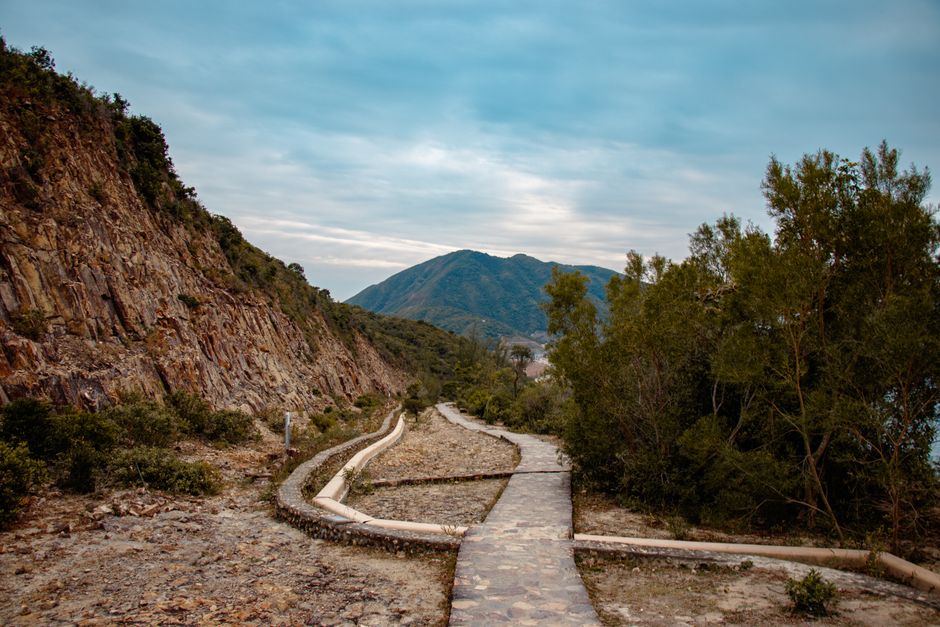
Finally, integrate practice with Hong Kong's outdoor culture. Walking meditations on quieter sections of the Peak Trail or Dragon's Back hike combine proven cardiovascular benefits with mindfulness gains—research shows nature-based meditation boosts wellbeing markers by 35% compared to studio-only practice.
For personalised guidance, consult practitioners at local health clinics or registered yoga therapists through the Hong Kong Yoga Association.
This article was compiled by AI from the sources linked above and screened before publishing. See our editorial standards.