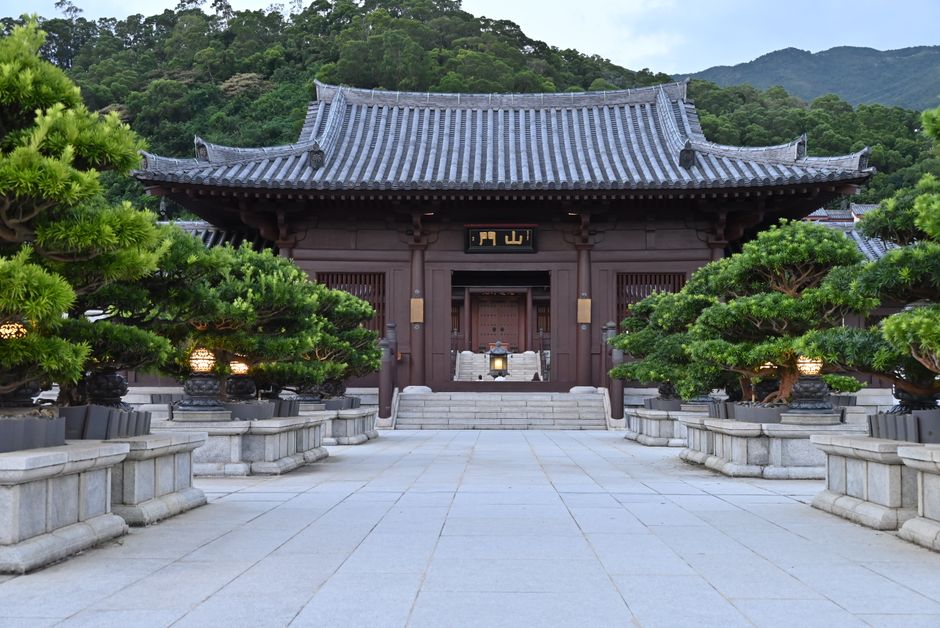
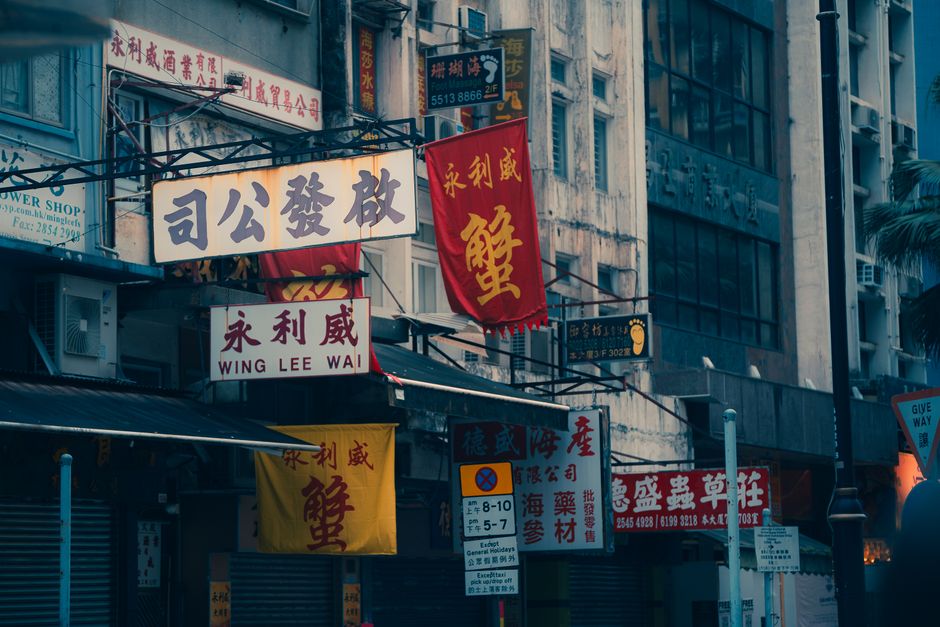
Walk through Central's Queen's Road or browse Causeway Bay's side streets, and you'll notice something shifting in Hong Kong's food landscape. Alongside the traditional dim sum trolleys and wonton noodle stands that have defined the city for decades, a wave of nutrition-focused eateries has taken root. Acai bowls sit next to congee stalls. Cold-pressed juice bars occupy shopfronts in Sheung Wan. This isn't just trendy dining—it's a fundamental reshaping of how Hongkongers think about what they eat.
The momentum is undeniable. According to the Hong Kong Hotels Association and local food retail analysts, health-oriented food establishments have grown by approximately 40% across Hong Kong's major commercial districts since 2023. What started as niche wellness culture in Wan Chai and Soho has rippled outward, reaching neighbourhoods from Sai Ying Pun to Quarry Bay. The Department of Health's 2025 nutrition awareness campaign, launched across community centres citywide, has amplified conversations around balanced eating beyond the typical medical context.
But this trend isn't simply about importing Western salad bars. Hong Kong's nutrition movement is distinctly local. Nutritionists and wellness advocates are reconnecting residents with traditional Cantonese principles—the cooling properties of winter melon, the restorative role of bone broth, the balance of yin and yang in daily meals. Pop-up markets in Victoria Park and weekend farmers' markets in Tai Po now emphasise locally sourced vegetables alongside imported organic produce, making nutritious eating more accessible across income brackets.
Restaurants are responding too. Many have begun transparently listing nutritional information on menus, a practice rare in Hong Kong five years ago. Prices for health-conscious meals typically range from HK$68 for a basic grain bowl to HK$150 for premium options with organic proteins, making wellness eating less exclusively elite than the early days.
The cultural shift reflects a broader Hong Kong reality: a city balancing its frenetic pace with genuine wellness concerns. Morning tai chi in parks from Kowloon Tong to Victoria Park has long been part of the routine. Now, what people eat before and after that practice matters equally. Younger professionals, working parents, and even traditional families are asking different questions at the dinner table.
This isn't a fad. It's a recalibration. As Hong Kong navigates its future, the food on residents' plates is becoming an expression of intention—toward health, tradition, and community. For wellness-minded Hongkongers, the options have never been richer.
For personalised nutrition advice, consult a registered dietitian at your local Department of Health clinic or private healthcare provider.
This article was compiled by AI from the sources linked above and screened before publishing. See our editorial standards.