Wellness
Morning runs and evening loops: How Hong Kong residents built sustainable outdoor fitness into daily life
From Victoria Park joggers to Kowloon Tong regulars, locals share the unglamorous habits that keep them moving year-round.
3 min read
Wellness
From Victoria Park joggers to Kowloon Tong regulars, locals share the unglamorous habits that keep them moving year-round.
3 min read
At 6:15am on any weekday, Victoria Park transforms into a moving ecosystem of runners. Some loop the 1.3-kilometre outer circuit five times before work; others walk-run the flatter sections near the sports centre. There's no drama here—just repetition, habit, and the kind of consistency that doesn't require motivation.
This is the pattern that defines successful outdoor fitness in Hong Kong. Not weekend warrior intensity or Instagram-worthy summit attempts, but the deliberately ordinary routines that slip into daily life.
"The key is proximity," explains a regular at Kowloon Tong Park, where an informal running community gathers most evenings. The 7-hectare venue offers shaded pathways, water fountains, and free entry—removing the friction that stops people from showing up. No membership fee, no commute beyond the MTR station. The Department of Health's network of 500+ public sports facilities across Hong Kong operates on similar logic: accessibility breeds consistency.
In Central, office workers have adopted a practical 30-minute loop between Central Pier and the Mid-Levels. The route is short enough to complete during lunch hours, yet challenging enough to elevate heart rate on the inclines. Commuting home via Peak Tram after a morning run has become routine for residents near the Central-Mid-Levels escalator system.
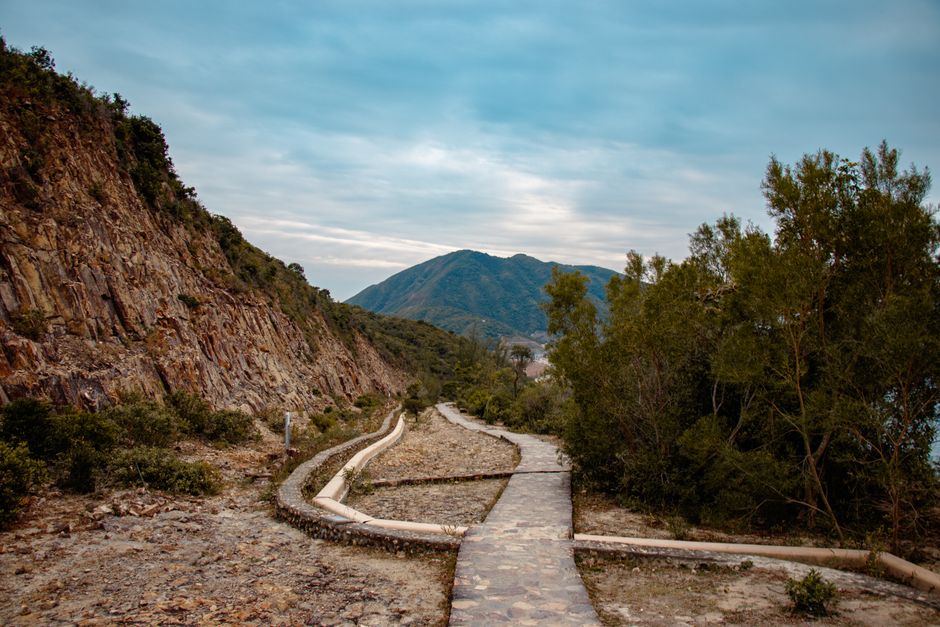
Dragon's Back in Shau Kei Wan remains popular for weekend habit-builders, but locals now speak of it differently: not as an achievement, but as a consistent Sunday anchor. The 8-kilometre trail is demanding enough to feel purposeful, achievable enough that people return. Regulars often mention the 2-3 hour investment fits neatly into weekend structure.
The MacLehose Trail segments have spawned their own communities. Rather than attempting the full 100-kilometre route, many locals treat individual sections—particularly Sections 2 and 6—as monthly repeats, turning them into measurable habit loops.
What separates sustainable outdoor fitness from abandoned New Year's resolutions? Distance from home, time efficiency, social normalcy, and zero financial barriers. A runner in Tuen Mun notes that her 6am waterfront route requires no booking, no cost, no waiting. She can shower at home, reach the office by 8am. The habit persists because friction is minimal.
Tai chi practitioners in urban parks have modelled this principle for decades—same time, same location, minimal equipment, maximum consistency. Hong Kong's running culture is simply adopting the same framework: make it ordinary, make it nearby, make it repeatable.
For those considering outdoor fitness, the advice from regular practitioners is blunt: forget the ambitious trail. Find the loop near your home or office. Run it three times. Then run it again. Habits, like Hong Kong's best trails, are built on familiarity.
This article was compiled by AI from the sources linked above and screened before publishing. See our editorial standards.
About this article
Published by The Daily Hong Kong
Spread the word
Daily brief
Free, in your inbox before 7am. Weekdays.
Before you go
The day's Hong Kong news in a 2-minute read. Free, weekday mornings.