Hong Kong's Running Trail Renaissance: How Local Fitness Culture Stacks Against Global Wellness Movements
From Victoria Peak to the MacLehose Trail, Hong Kong runners are embracing outdoor fitness—but uptake lags behind London and Singapore's trail-running boom.
This article was generated by AI from the linked public sources. The Daily Hong Kong is independently owned and covers Hong Kong news free from advertiser or sponsor influence. Read our editorial standards →
Global wellness trends have shifted decisively toward outdoor running. Trail-running apps report 47% year-on-year growth across Asia, while urban park running clubs in London and Seoul have doubled membership since 2023. Yet Hong Kong's outdoor fitness scene, despite its world-class natural assets, remains surprisingly niche—a puzzle worth examining as the city positions itself as a wellness hub.
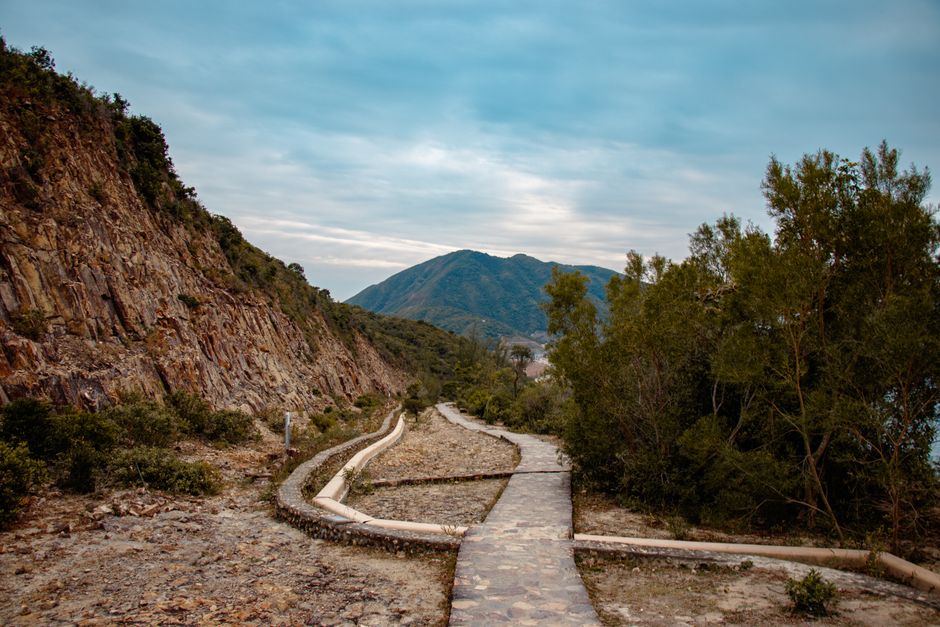
Hong Kong possesses unparalleled advantages. The Peak Trail system attracts thousands weekly; Dragon's Back, consistently rated Asia's top urban hike, draws international visitors. The MacLehose Trail's 100 kilometres span the New Territories, offering everything from coastal flats to mountain ridges. Tai Chi parks dotting Victoria Park and Kowloon Park have anchored morning wellness culture for decades. Yet structured trail-running clubs and commercially organised routes remain fragmented compared to global peers.
Local data tells a revealing story. According to the Hong Kong Athletics Association, registered trail runners number approximately 8,000—less than 0.1% of the city's 7.5 million population. By contrast, Singapore's running community represents 1.2% of residents, buoyed by parks like East Coast Park and heavy corporate sponsorship of Saturday morning runs. London's parkrun initiative alone engages over 30,000 participants weekly across free, timed 5-kilometre loops.
Several factors explain this gap. Hong Kong's subtropical climate—scorching summer humidity and unpredictable monsoons—deters casual participation compared to London's temperate springs. Injury prevention concerns loom larger in a city where many residents commute two hours daily; adding trail time feels indulgent rather than holistic. Price points matter too: guided trail-running experiences through private operators cost 400–600 Hong Kong dollars per session, versus free parkrun models elsewhere.
Yet momentum is building. The Trail World Championships' Asia-Pacific leg attracted global attention in 2024. Local organisations like the Hong Kong Trail Running Club have expanded Instagram followings to 15,000, signalling growing grassroots interest. The Department of Health's wellness initiatives increasingly feature trail running alongside traditional tai chi, acknowledging demographic shifts toward younger, digitally-native fitness seekers.
The opportunity is clear. Hong Kong's natural topography—rarely more than 45 minutes from urban trailheads—rivals Singapore's and exceeds London's accessibility. What's needed is localised infrastructure: better signage on Routes 1–10 of the MacLehose Trail, subsidised group runs through community centres, and integration with the MTR's frequent-access model. Until then, Hong Kong's outdoor fitness renaissance will remain an untapped resource, visible from every peak but not yet fully embraced.
This article was compiled by AI from the sources linked above and screened before publishing. See our editorial standards.
Covering wellness in Hong Kong. This article was generated by AI from the linked sources and was not reviewed by a human editor before publishing. See our editorial standards.