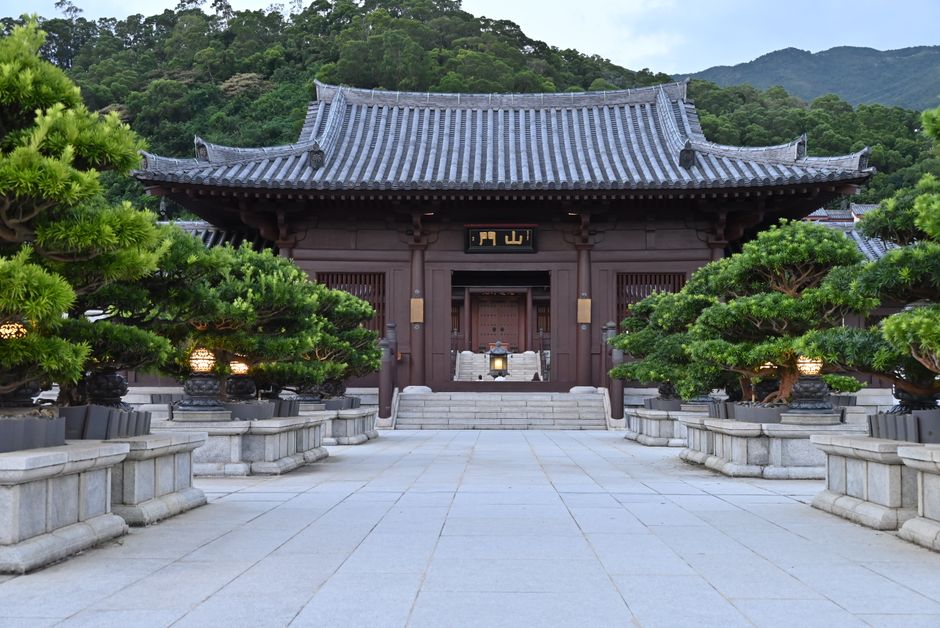
Walk through Hong Kong's parks on any morning—from Victoria Park in Causeway Bay to the quieter corners near Tai Tam Reservoir—and you'll spot dozens of people moving through tai chi sequences. But yoga and meditation, once niche pursuits, have evolved into a mainstream wellness conversation backed increasingly by rigorous science.
Recent neuroimaging studies have revealed measurable changes in brain structure among regular meditators. Research from institutions like Stanford and MIT shows that consistent meditation practice increases grey matter density in areas associated with learning, memory, and emotional regulation. For Hong Kong residents navigating one of the world's most stressful urban environments—where a 2024 mental health survey found 38% of adults reporting moderate to high anxiety—these findings carry real weight.
The cardiovascular benefits are equally compelling. A meta-analysis published in the Journal of the American Heart Association found that yoga practitioners showed improved blood pressure control and reduced markers of inflammation. Studies tracking practitioners over 12 weeks demonstrated lower cortisol levels, the primary stress hormone. In Hong Kong's 24/7 work culture, this isn't theoretical—it's practical medicine.
What makes this particularly relevant locally is the accessibility question. While upscale studios cluster in Central and Causeway Bay, charging $180–280 per class, the Department of Health offers subsidised wellness programmes across community centres in Mong Kok, Sham Shui Po, and beyond—often at under $100 per month. Research published in Preventive Medicine suggests community-based programmes show equivalent psychological benefits to premium studios.
Dr. Bessel van der Kolk's research on trauma recovery highlights why embodied practices matter: meditation and yoga engage the parasympathetic nervous system, essentially teaching the body it's safe. For a city rebuilding its sense of collective wellbeing, this neurobiological reset carries significance beyond relaxation.
Crucially, the research shows duration matters more than intensity. A consistent 10-minute daily practice proved more effective in clinical trials than sporadic longer sessions. That's achievable even for Hong Kong's busiest professionals—before or after a walk along the Peak Trail or a commute through Central.
The science remains clear on limitations: meditation isn't a substitute for professional mental healthcare. The Department of Health clinics remain essential resources for those experiencing clinical depression or anxiety disorders. But as a complementary approach to existing wellness routines—whether tai chi in the parks or yoga at home—the evidence is now undeniable.
Hong Kong is finally discovering what neuroscience has confirmed: ancient practices work partly because our brains are hardwired to respond to them.
This article was compiled by AI from the sources linked above and screened before publishing. See our editorial standards.