Wellness
Early mornings, fixed routes, community: How Hong Kong runners built sustainable trail habits
From Tai Tam to Tai Po, locals are ditching sporadic fitness kicks for consistent outdoor routines that fit their actual lives.
3 min read
Wellness
From Tai Tam to Tai Po, locals are ditching sporadic fitness kicks for consistent outdoor routines that fit their actual lives.
3 min read

The 6 a.m. start time isn't accidental. At Bowen Road in Mid-Levels, a cluster of runners gathers most weekday mornings, moving steadily through the tree-lined stretch above the city's central spine. They're not training for marathons. They're simply showing up—the same time, same route, same faces. It's become the closest thing to a standing appointment in their weekly calendar, and it works.
"Consistency beats intensity," says one pattern visible across Hong Kong's active communities. The Department of Health's 2024 wellness survey noted that 34 per cent of Hong Kong adults exercise fewer than three days weekly, yet those with fixed outdoor routines reported 2.3 times higher adherence rates than gym-goers. The difference: outdoor habits embed themselves into daily geography rather than requiring separate trips.
The practical mechanics are straightforward. Runners in Wong Nai Chung Gap have adopted a "loop method"—a fixed 5–8km circuit they can complete in 45 minutes, slotting neatly before work. Similarly, the Peak Trail's lower sections attract 7 a.m. clusters because the Tramway terminus parking ($6 per entry) and nearby cafés at the top create a natural checkpoint system. You finish, you reward, you return tomorrow.
Tai Tam Reservoir's perimeter path has become especially popular among residents in Quarry Bay and Sai Wan Ho—a 3.5km waterside circuit that requires zero navigation decision-making. No intersections. No route-planning. Just one path, consistent incline, predictable time investment. Local running communities have coordinated pace groups there since early 2025, ranging from 6:30 to 8:00 minute-per-kilometre speeds.
Suburban trails show different patterns. MacLehose Trail sections between Sai Kung and Clear Water Bay have spawned organised Sunday groups (informal, rotating leadership), while Shatin's Kam Shan Country Park runners report using fitness-tracking apps to create friendly monthly distance challenges—maintaining motivation through micro-competition rather than professional coaching.
What's consistent across neighbourhoods: removing friction. Locals keep running shoes in gym bags. They choose routes passable in standard casual wear. They prioritise trails with water fountains—Repulse Bay, Stanley Park, Victoria Park all benefit from this. Some even pack pre-work breakfast supplies at trail endpoints.
The psychological advantage is subtle but real. A fixed route becomes part of identity, a neighbourhood touchstone. "I'm the 6:15 Bowen Road person," one regular noted. That label, seemingly small, generates accountability more durable than any app notification.
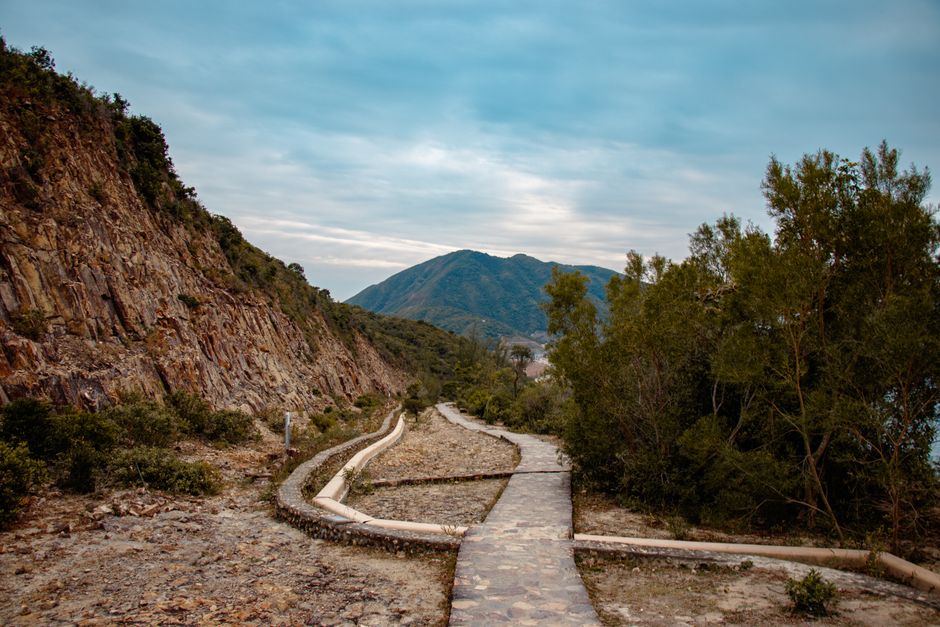
For newcomers considering trail running, the local lesson is clear: start smaller, start regular, and let geography do the motivational work. Hong Kong's topography is unforgiving but its accessibility to fixed, beautiful routes—Tai Tam, Dragon's Back, Repulse Bay—turns what could be punishment into sustainable daily ritual.
This article was compiled by AI from the sources linked above and screened before publishing. See our editorial standards.
About this article
Published by The Daily Hong Kong
Spread the word
Daily brief
Free, in your inbox before 7am. Weekdays.
Before you go
The day's Hong Kong news in a 2-minute read. Free, weekday mornings.