Wellness
How to start a walking group in your neighbourhood
From finding your first walkers to picking the perfect route, here's what you need to know about launching a community fitness initiative in Hong Kong.
3 min read
Wellness
From finding your first walkers to picking the perfect route, here's what you need to know about launching a community fitness initiative in Hong Kong.
3 min read
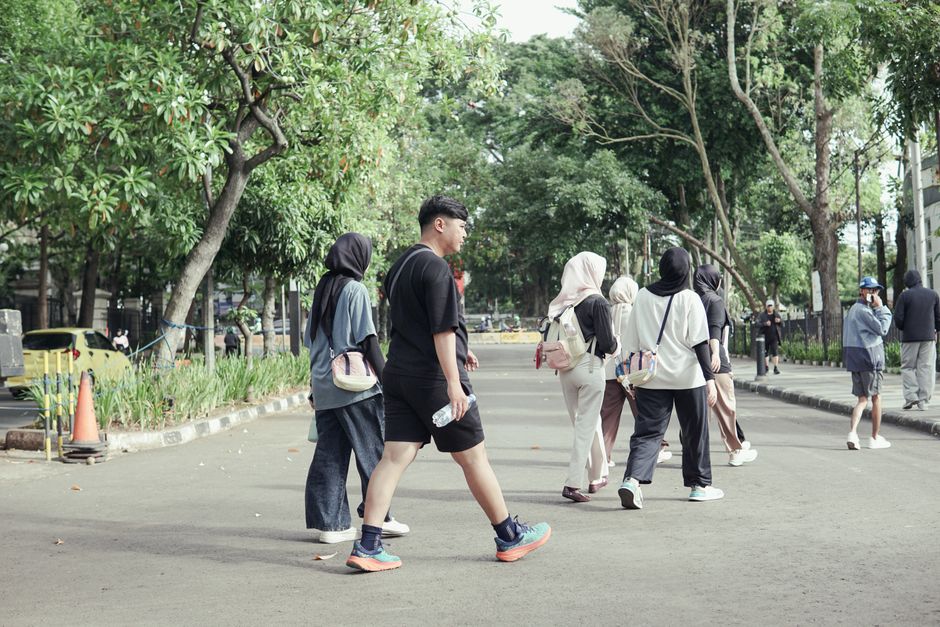
Hong Kong's morning parks are already filled with tai chi practitioners and fitness enthusiasts, yet many neighbourhoods still lack organized walking groups. If you've noticed a gap in your community—whether you live in Causeway Bay, Sham Shui Po, or the New Territories—starting a walking group is more achievable than you might think.
The first step is identifying your core audience. Begin by talking to neighbours, friends, and local contacts. Many Hong Kong residents, particularly those aged 50 and above, express interest in low-impact group exercise but lack convenient options. A walking group requires no expensive equipment or gym membership—just commitment and a safe route. Consider posting flyers in your building's lobby, local convenience stores, or community centres run by the Department of Health across Hong Kong's 18 districts.
Next, scout your neighbourhood for suitable routes. In urban areas like Mong Kok or Admiralty, flat, well-lit streets work best for beginners. More adventurous groups might tackle sections of the MacLehose Trail or Dragon's Back from your starting point. A beginner route should be 3-5 km, taking 45 minutes to an hour at a comfortable pace. Walk the route yourself first, noting hazards, rest spots, and water access. Public parks like Victoria Park or Kowloon Park offer excellent alternatives to street walking.
Establish consistency early. Weekly meetings—perhaps Saturday morning at 7am or Wednesday evening at 6:30pm—create habit and reliability. Communicate through a simple WhatsApp group or a notice board at a central meeting point. Start small with 5-10 people; growth follows naturally.
Address practical considerations. Liability is less formal for casual groups, but consider asking members to sign a simple waiver acknowledging participation is voluntary. Some groups charge nominal fees (HK$20-50 monthly) to cover printing flyers or occasional refreshments. Others operate free-of-charge through organic community support.
Don't overlook accessibility. Choose routes manageable for various fitness levels, and allow members to walk at their own pace within the group structure. Encourage participants to wear proper footwear and sun protection—essential in Hong Kong's subtropical climate.
Connect with existing infrastructure. Many District Community Centres or local sports associations welcome walking groups and may offer support or venue space. The Department of Health's community wellness programmes can sometimes provide guidance or promotional support.
Starting a walking group costs minimal money but requires genuine leadership. You'll need to show up consistently, welcome new members warmly, and adapt based on feedback. Within months, your neighbourhood walking group could become a valued part of local wellness culture—proof that Hong Kong's community fitness spirit extends far beyond tai chi parks and hiking trails.
This article was compiled by AI from the sources linked above and screened before publishing. See our editorial standards.
About this article
Published by The Daily Hong Kong
Spread the word
Daily brief
Free, in your inbox before 7am. Weekdays.
Before you go
The day's Hong Kong news in a 2-minute read. Free, weekday mornings.