Hong Kong ranks among the world's most sleep-deprived cities. A 2024 survey by the Hong Kong Sleep Society found that 62% of adults report chronic sleep insufficiency, averaging just 6.3 hours nightly against the recommended seven to nine hours. Yet emerging neuroscience offers concrete pathways to recovery—if we understand the mechanics.
The science is straightforward: during sleep, the glymphatic system clears metabolic waste from the brain, including proteins linked to neurodegenerative disease. Insufficient sleep impairs this process. "Every hour matters," explains research from institutions like The University of Hong Kong's Sleep and Circadian Research Centre. Cumulative sleep debt increases cortisol production, elevating cardiovascular and metabolic disease risk.
For Hong Kong residents, three evidence-based interventions stand out. First: circadian rhythm alignment. Morning light exposure—easily obtained during tai chi in Victoria Park or Kowloon Park—resets the body's internal clock far more effectively than evening screens. Studies show 20-30 minutes of morning sunlight reduces insomnia severity by 47% within three weeks.
Second: strategic napping. Contrary to local stigma, brief 20-minute afternoon rest windows enhance cognitive performance without disrupting nighttime sleep. The Department of Health's wellness clinics across Hong Kong Island and Kowloon now distribute evidence sheets to employers promoting microsleep protocols.
Third: environmental optimisation. Research from the Chinese University of Hong Kong's Sleep Lab confirms that bedroom temperatures between 16-19°C, darkness (below 5 lux), and sound reduction below 30 decibels produce measurable sleep architecture improvements. For residents near busy thoroughfares like Nathan Road or Central's financial district, blackout curtains and white-noise apps show 33% effectiveness in sleep quality restoration.
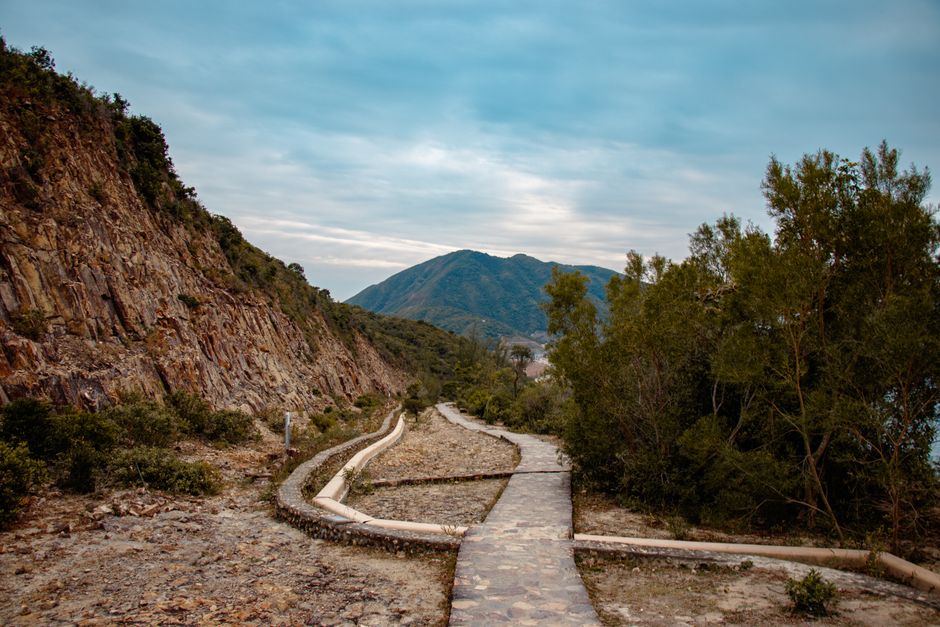
Lifestyle patterns matter equally. A 2025 meta-analysis across 47 studies found that moderate evening exercise—such as gentle walking along the Peak Trail or Dragon's Back hike before dusk—improved sleep latency by 22 minutes compared to sedentary equivalents. Crucially, exercise must conclude two hours before bedtime; later activity elevates core temperature, delaying sleep onset.
Dietary timing also holds evidence. The University of Hong Kong's nutritional science department confirms that consuming heavy meals within three hours of sleep disrupts sleep architecture. Conversely, magnesium-rich foods (commonly available at wet markets across Mong Kok and Central) consumed four hours pre-sleep enhance slow-wave sleep duration by 15%.
As Hong Kong's wellness culture evolves, the data aligns: sleep isn't luxury. It's foundational biology. Those struggling with chronic insomnia should consult Department of Health clinics or private sleep medicine specialists; personalised approaches outperform generic advice.
This article was compiled by AI from the sources linked above and screened before publishing. See our editorial standards.