On a Tuesday morning in Victoria Park, dozens of seniors move through flowing Tai Chi sequences as the sun breaks over Causeway Bay's skyline. For many, this daily ritual represents far more than exercise—it marks a turning point in their health journey.
Hong Kong's ageing population is accelerating. By 2039, one in three residents will be aged 65 or over, according to government projections. Yet rather than accepting decline, communities across the territory are pioneering grassroots wellness initiatives that prove mobility and strength are recoverable at any age.
The Department of Health's Active Ageing Centres, operating in districts from Wan Chai to Sham Shui Po, offer subsidised fitness classes specifically designed for those over 60. Monthly memberships cost around HK$150, making structured exercise accessible across income levels. Many participants begin with basic balance and flexibility work—movements that seem modest but carry profound impact.
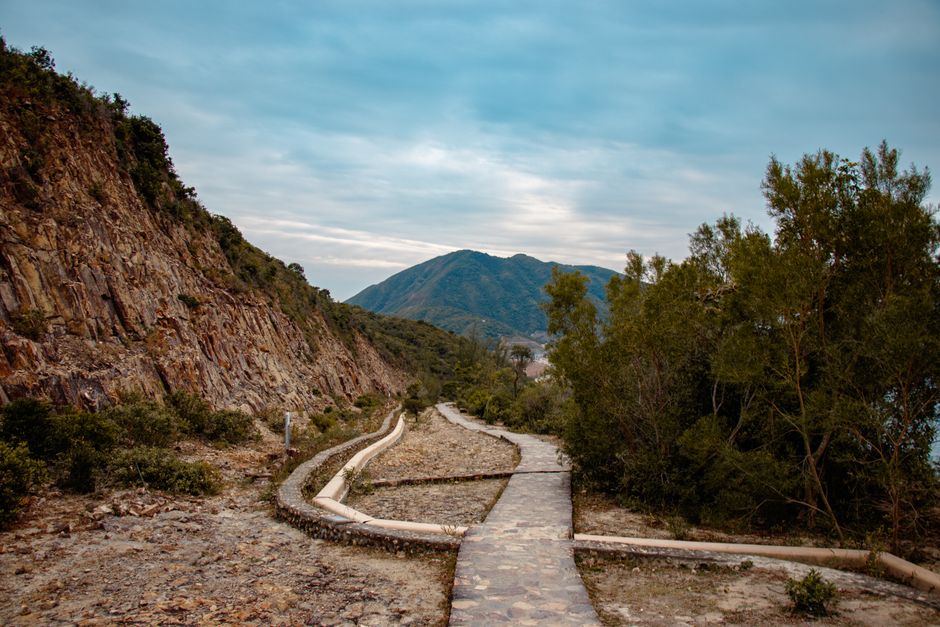
What distinguishes Hong Kong's approach is environmental advantage. The MacLehose Trail's gentler initial sections, accessible from Sai Kung, attract seniors building cardiovascular confidence. Dragon's Back near Shau Kei Wan offers spectacular harbour views paired with manageable gradients. These aren't solitary endeavours; hiking groups like the Hong Kong Hiking Club facilitate intergenerational participation, creating accountability and community.
Neighbourhood success stories ripple through word-of-mouth networks. Public housing estates like Choi Hung and Lok Fu have organised tai chi and qigong sessions in ground-floor community rooms, removing transportation barriers. Estate management corporations report increased uptake when classes happen within residents' immediate surroundings.
The evidence is measurable. Recent studies from the University of Hong Kong suggest that consistent, moderate-intensity exercise—achievable through park-based classes or measured hiking—reduces falls risk by up to 30% in adults over 65. Joint-friendly activities like tai chi prove particularly effective for those managing osteoarthritis, a condition affecting approximately 40% of Hong Kong's elderly population.
Crucially, transformation stories emphasise the psychological dimension. Seniors report renewed independence: climbing stairs without breathlessness, playing with grandchildren without exhaustion, navigating wet market stairs confidently. These tangible shifts in daily function often outweigh medical metrics.
For those interested in beginning, the Department of Health website lists community centres offering free introductory sessions. Many districts maintain active seniors' networks that welcome newcomers. Peak Trail and Dragon's Back remain excellent graduated hiking destinations for those building stamina.
Active ageing in Hong Kong succeeds because it's embedded in community, affordable, and geographically viable. The transformation isn't medical intervention—it's neighbours, parks, and persistence.
This article was compiled by AI from the sources linked above and screened before publishing. See our editorial standards.