Hong Kong's subtropical climate and dense urban environment create unique health challenges that generic wellness advice often misses. The good news: decades of local epidemiological data now tell us exactly which preventive screenings deliver real protection for residents here.
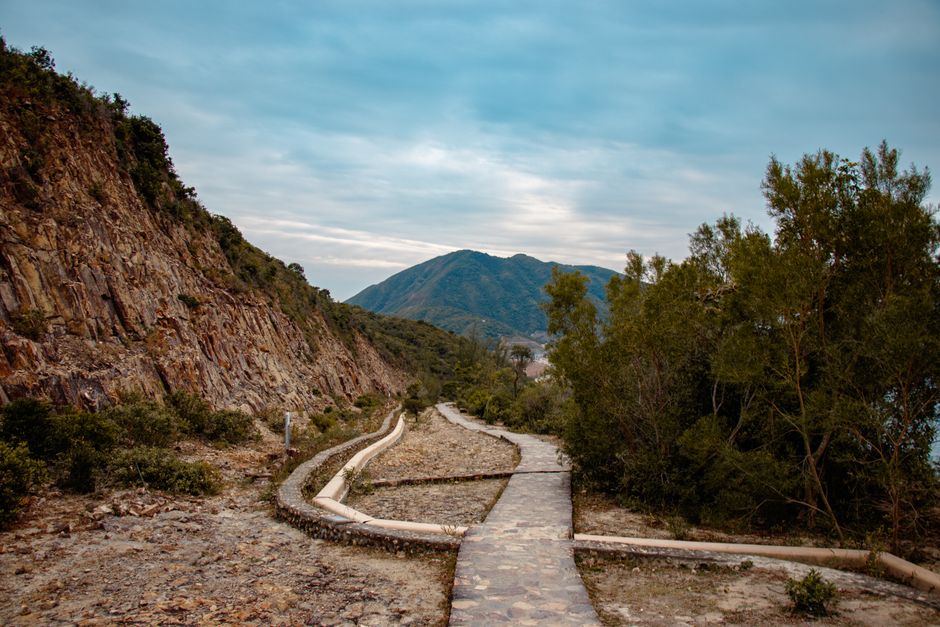
Start with what the numbers show. The Department of Health's most recent data highlights that respiratory conditions top preventive priorities in Hong Kong, driven by seasonal air quality fluctuations and humidity levels that spike above 80% for much of the year. If you spend mornings on Peak Trail or regularly hike Dragon's Back, your lungs face particular exposure. The evidence-based approach: baseline lung function testing via spirometry at your nearest Department of Health clinic—most neighbourhoods from Central to Sha Tin offer this free or subsidised. This matters especially if you're over 40 or have spent decades in Hong Kong's air.
Cardiovascular screening takes on urgency here too. Local studies show Hong Kong residents face elevated stroke risk partly due to high sodium intake from congee, dim sum, and preserved foods that form dietary staples. The recommendation isn't to abandon these meals—it's to know your numbers. Blood pressure screening should happen annually; if you're 55 or older, ask your doctor about carotid ultrasound screening. Many private clinics in Central and Causeway Bay offer this for HK$1,500–2,500, though public clinics can arrange referrals.
Sun exposure deserves serious attention despite year-round cloud cover. Ultraviolet index readings in Hong Kong regularly exceed safe levels, and skin cancer rates have climbed steadily. If you're a MacLehose Trail regular or spend weekends at Repulse Bay, dermatological screening every two to three years—not every five—aligns with local risk profiles. The Hong Kong Cancer Registry data supports this interval adjustment.
Metabolic screening (blood glucose, lipids) matters here more than generic guidelines suggest. Type 2 diabetes prevalence in Hong Kong sits around 10%, with many undiagnosed cases. Annual fasting glucose or HbA1c tests cost roughly HK$200–400 at private labs or are free through public health initiatives.
Finally, consider your lifestyle footprint. If you're among the thousands practising tai chi in Victoria Park or Kowloon Park each dawn, you're ahead on joint health—but baseline bone density screening at 60 (or 50 for women post-menopause) prevents fracture surprises.
The evidence-based strategy isn't more screening; it's smarter screening tailored to where you live, what you do, and what Hong Kong's own health data tells us matters most. Talk with your doctor about personalising these recommendations.
This article was compiled by AI from the sources linked above and screened before publishing. See our editorial standards.