Wellness
Why Hong Kong's Trail Running Culture Aligns With What Science Says Works
Research on outdoor running reveals measurable mental and cardiovascular benefits that explain the boom in local trail fitness.
3 min read
Updated 15 h ago
Wellness
Research on outdoor running reveals measurable mental and cardiovascular benefits that explain the boom in local trail fitness.
3 min read
Updated 15 h ago
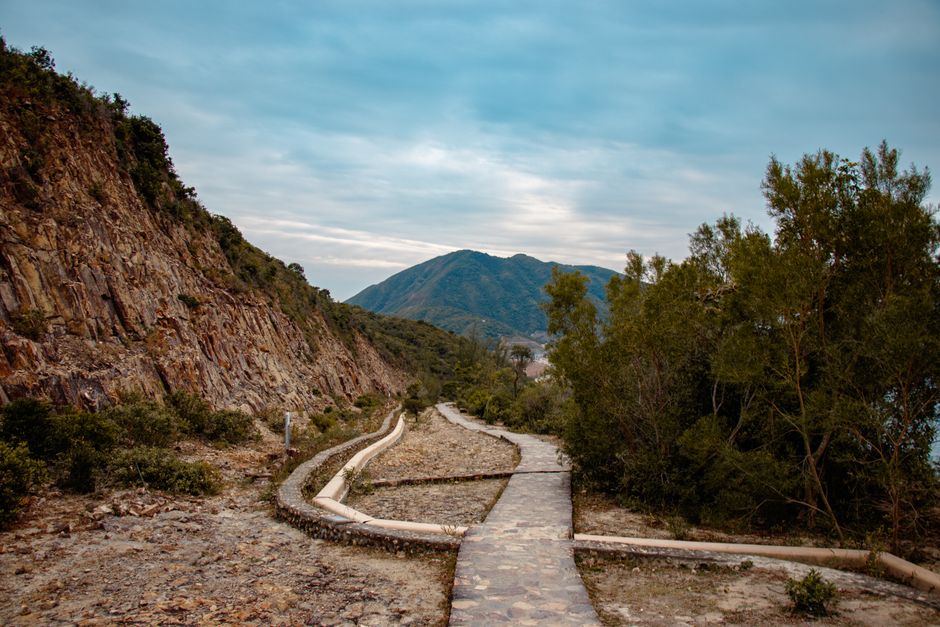
Hong Kong's trail running community has grown steadily over the past five years, with thousands of residents trading treadmills for the Peak Trail, Dragon's Back, and sections of the MacLehose Trail. Beyond the Instagram appeal of Victoria Harbour views mid-run, there's solid science explaining why outdoor running on varied terrain delivers distinct wellness advantages over road-based alternatives.
Recent peer-reviewed research published by exercise physiologists indicates that trail running engages 40% more stabiliser muscles than road running due to uneven surfaces. The constant micro-adjustments required—navigating roots, loose stone, and elevation changes on trails like those in Lantau or around Devil's Peak—activates the core, ankles, and proprioceptive systems more intensively. For Hong Kong runners tackling the notorious switchbacks near Pok Fu Lam or the rolling sections of the MacLehose Trail near Sai Kung, this translates to improved balance and reduced injury risk over time.
Mental health data reinforces the appeal. Studies tracking outdoor exercisers show measurable reductions in cortisol levels and depression markers when activity occurs in green spaces compared to urban environments. Hong Kong's Department of Health has observed increased uptake of structured trail fitness programmes in neighbourhood parks—morning Tai Chi remains dominant, but trail clubs meeting at trailheads in Wong Nai Chung Gap and Shek O are expanding faster than road-running clubs.
Cardiovascular benefits differ too. Trail running's variable intensity—the natural interval training created by hills and descents—triggers greater heart rate variability than steady-pace road running. Research suggests this variation strengthens aerobic capacity more efficiently, with participants requiring fewer weekly sessions to achieve measurable fitness gains.
The accessibility factor matters locally. Many Hong Kong running groups organise weekly sessions meeting at accessible points: the Pok Fu Lam entrance near the University campus, or the Stanley area trails attracting residents from the southern districts. While premium coaching services charge 400–600 HKD per session, community-organised runs remain free or cost-sharing only.
For residents considering this approach, the research suggests starting with established beginner-friendly routes—the lower sections of Peak Trail or the flat coastal paths near Repulse Bay—before progressing to technical terrain. Proper footwear designed for trail surfaces matters; investment in trail-specific running shoes (typically 800–1,200 HKD) reduces ankle strain significantly.
The science is clear: Hong Kong's natural geography offers what exercise physiologists consider an ideal natural gym. Whether motivated by fitness data or simply the urban escape itself, the trail running surge reflects both personal preference and measurable biological advantage.
This article was compiled by AI from the sources linked above and screened before publishing. See our editorial standards.
About this article
Published by The Daily Hong Kong
Spread the word
Daily brief
Free, in your inbox before 7am. Weekdays.
Before you go
The day's Hong Kong news in a 2-minute read. Free, weekday mornings.