When the Department of Health's 2024 wellness survey revealed that nearly 40 per cent of Hong Kong residents report insufficient sleep, it sparked quiet conversations in tai chi parks across the territory. In Kowloon Park's early morning gatherings and along the Peak Trail where joggers catch sunrise, a shift is underway: people are talking about rest not as laziness, but as medicine.
The transformation often begins with small choices. Residents attending free tai chi classes at Victoria Park in Causeway Bay—which run daily at 6:30 a.m. and attract hundreds—describe how the practice's meditative rhythm has reset their sleep cycles. The classes, coordinated through the Leisure and Cultural Services Department, cost nothing and have become informal wellness hubs where sleep struggles become shared experiences.
Chen, a marketing executive based in Central, found relief through a structured evening routine inspired by conversations with fellow walkers on the MacLehose Trail. "I stopped checking emails after 8 p.m.," she explains, noting that the 100-kilometre trail's weekend hiking culture taught her that sustained wellness requires intentional boundaries. What began as weekend hikes evolved into weekday discipline.
Similarly, residents in Sham Shui Po—where rental housing and multigenerational families often mean cramped sleeping conditions—have discovered that rest extends beyond bedtime. Community centres in the neighbourhood now host afternoon rest sessions, quiet spaces where older residents nap for 20 minutes under expert guidance. Local volunteers trained through the Hong Kong Neurological Society help participants understand that strategic short sleep can complement nighttime rest.
The data supports this grassroots momentum. Referrals to sleep clinics at Queen Mary Hospital have increased 35 per cent since 2023, with many patients reporting that lifestyle adjustments—consistent wake times, reduced screen time, and structured activity—addressed symptoms before medication became necessary.
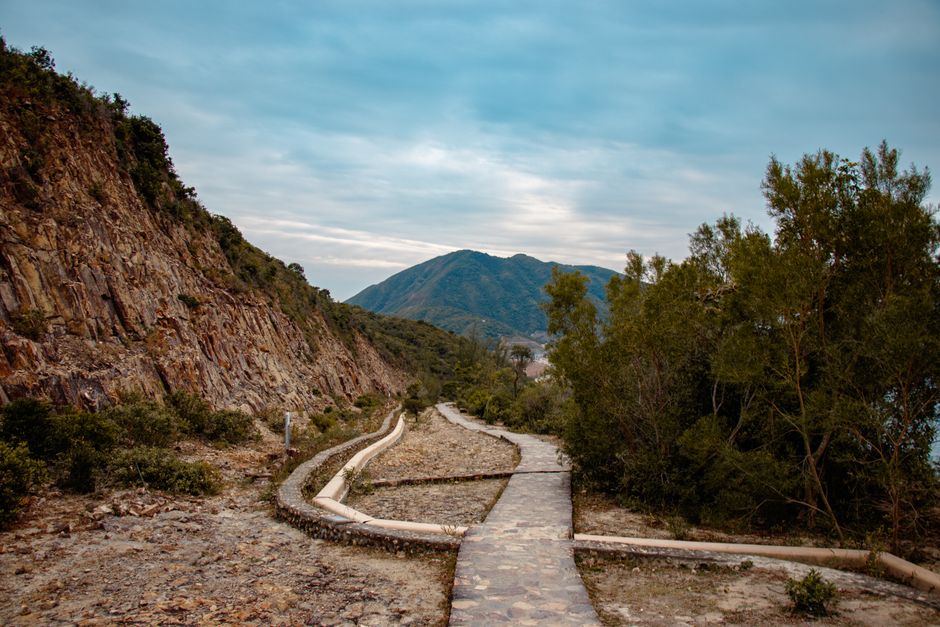
Dr. Wong from a Wan Chai health centre notes that neighbourhood wellness initiatives remove barriers. "When rest becomes social—a tai chi park gathering, a hiking group—people sustain the habit." The Dragon's Back trail, rated Asia's most accessible ridge walk, has become an unexpected wellness classroom where strangers become accountable partners in better sleep and health.
Across neighbourhoods from Sheung Wan to Tsim Sha Tsui, Hong Kong residents are learning that transformed health rarely requires expensive interventions. It requires community, consistency, and permission to rest. As one Peak Trail regular said simply: "I sleep better because I hike. But I hike because others do too."
This article was compiled by AI from the sources linked above and screened before publishing. See our editorial standards.