Wellness
How to start a walking group in your neighbourhood
From recruitment to route planning, here's what you need to know to build community fitness momentum on your doorstep.
3 min read
Wellness
From recruitment to route planning, here's what you need to know to build community fitness momentum on your doorstep.
3 min read
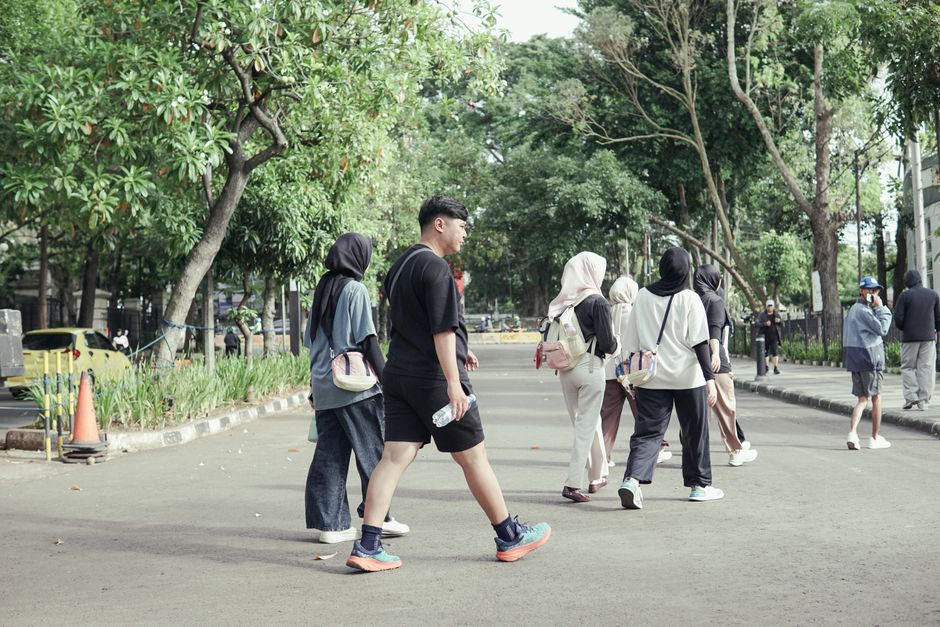
Hong Kong's reputation for vertical living and fast-paced urban schedules often overshadows a quieter wellness truth: neighbourhood walking groups are thriving across the city, from the quiet lanes of Mid-Levels to the waterfront promenades of Tseung Kwan O. If you've been thinking about launching your own, the barriers to entry are far lower than you might imagine.
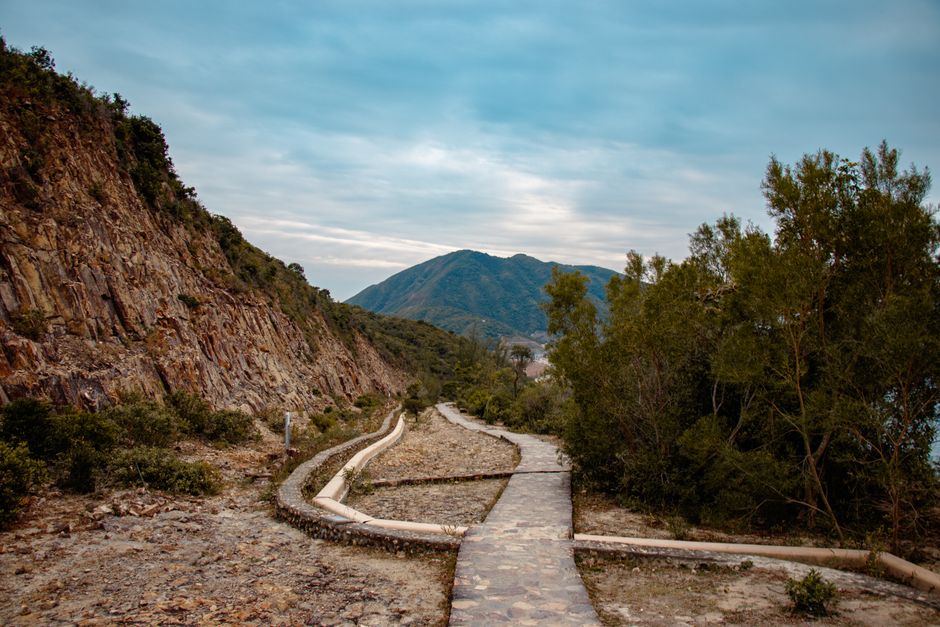
Start with your immediate geography. Identify three or four accessible routes within a 15-minute walk from home. Residents in Causeway Bay might loop through Victoria Park to the promenade; those in Sheung Wan could trace the Mid-Levels paths toward Botanical Garden. New Territories walkers have natural advantages—the MacLehose Trail's accessibility makes it perfect for organised weekly outings. The key is choosing terrain that accommodates mixed fitness levels. A flat, well-lit route around your neighbourhood MTR station beats an ambitious hill climb when you're building initial momentum.
Next, establish your group's identity. Decide on frequency (weekly is ideal for habit-building), duration (45 minutes to an hour works best for most), and pace (casual conversation-friendly walking typically clocks 4-5 kilometres per hour). Create a simple WhatsApp group or use free platforms like Meetup. Local community centres—the Recreation and Sports Centres run by Leisure and Cultural Services Department across 18 districts—often allow groups to post notices on notice boards at minimal or no cost.
Recruitment happens organically when you're visible. Talk to neighbours at your local dai pai dong or wet market. Post on neighbourhood Facebook groups specific to your district. Many established groups in Central, Wan Chai, and Quarry Bay started with just four or five committed walkers; word spreads quickly when people see consistent, friendly faces in their area.
Practical logistics matter. Choose a fixed starting point—a recognisable landmark like a specific MTR exit or convenience store—to avoid confusion. Set weather contingencies (most groups pause during typhoon signals). Consider a modest WhatsApp kitty (perhaps HK$10-20 per person monthly) for refreshments after walks, creating a small ritual that builds community.
Safety is non-negotiable. Ensure someone shares the planned route beforehand. Walk during daylight when starting out. If your group grows beyond 15 people, designate a sweep-walker to ensure no one gets separated.
The sweet spot for a sustainable neighbourhood walking group is usually 8-15 regular members. At that size, you have enough diversity and momentum to weather the inevitable absences, while remaining intimate enough for genuine friendships to develop. By autumn, when Hong Kong's weather becomes ideal for walking, you may find your quiet neighbourhood initiative has quietly become the week's highlight for a dozen people.
This article was compiled by AI from the sources linked above and screened before publishing. See our editorial standards.
About this article
Published by The Daily Hong Kong
Spread the word
Daily brief
Free, in your inbox before 7am. Weekdays.
Before you go
The day's Hong Kong news in a 2-minute read. Free, weekday mornings.