Wellness
Why Hong Kong's Sleep Crisis Demands a Science-First Fix
Research shows our city's notoriously poor rest patterns have measurable consequences—but evidence-based strategies can help.
3 min read
Wellness
Research shows our city's notoriously poor rest patterns have measurable consequences—but evidence-based strategies can help.
3 min read
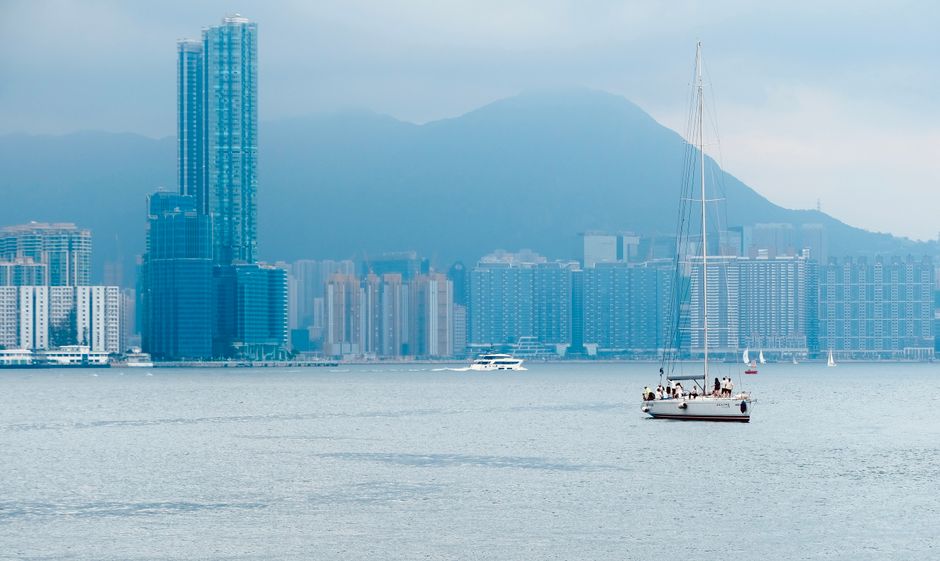
Hong Kong residents average just 6.3 hours of sleep nightly, according to recent data from the University of Hong Kong's Sleep Research Lab. That's nearly 90 minutes below the World Health Organization's recommended seven to nine hours. Yet emerging sleep science offers practical, locally tailored solutions grounded in rigorous research rather than wellness mythology.
The neurobiological impact is clear: sleep deprivation impairs prefrontal cortex function—the brain region responsible for decision-making and stress regulation. Studies from the Chinese University's School of Public Health link chronic sleep loss to elevated cortisol levels, the primary stress hormone. For Hongkongers juggling extended work hours and dense urban living, this creates a compounding wellness problem.
Chronobiologist Dr. research has demonstrated that light exposure synchronizes our circadian rhythm, the 24-hour biological clock governing sleep-wake cycles. Hong Kong's subtropical climate offers year-round opportunity: morning walks along Victoria Harbour or the Peak Trail naturally reset this rhythm through bright light exposure between 6am and 10am. The mechanism is simple—light suppresses melatonin production, anchoring your body clock for better nighttime sleep.
Temperature regulation represents another evidence-backed lever. Core body temperature must drop 2-3 degrees Celsius to initiate sleep onset. Humidity-controlled environments—common in newer MTR stations and shopping centres from Central to Causeway Bay—support this biological requirement. At home, opening windows in Wan Chai or Sham Shui Po during early evening (5-8pm) takes advantage of Hong Kong's cooling hours.
The Department of Health now partners with community centres across all 18 districts to offer free sleep hygiene workshops emphasizing these mechanisms. Their evidence-based protocols focus on consistent sleep-wake schedules and bedroom darkness—blocking the blue light emitted by smartphones, a documented sleep disruptor.
Tai Chi, practised by thousands in Victoria Park and Hong Kong Park each dawn, aligns with sleep science: the practice reduces sympathetic nervous system activation (fight-or-flight response) while moderating cortisol. Research published in Sleep Medicine Reviews confirms tai chi's measurable impact on sleep quality, particularly for adults over 50.
The key distinction: between wellness trends and validated science. Mediterranean dietary patterns, studied extensively for sleep benefits, incorporate foods available at wet markets across neighbourhoods like Mong Kok and Sheung Wan—fish rich in omega-3 fatty acids, leafy greens, nuts.
Sleep isn't luxury; it's neurobiology. Hong Kong's wellness future depends on understanding the science driving better rest—then building habits around it.
This article was compiled by AI from the sources linked above and screened before publishing. See our editorial standards.
About this article
Published by The Daily Hong Kong
Spread the word
Daily brief
Free, in your inbox before 7am. Weekdays.
Before you go
The day's Hong Kong news in a 2-minute read. Free, weekday mornings.