Wellness
Why Hong Kong's seniors are hiking higher: the science powering active ageing
Research reveals how structured mobility programmes are transforming health outcomes for older adults across the city.
3 min read
Updated 3 h ago
Wellness
Research reveals how structured mobility programmes are transforming health outcomes for older adults across the city.
3 min read
Updated 3 h ago
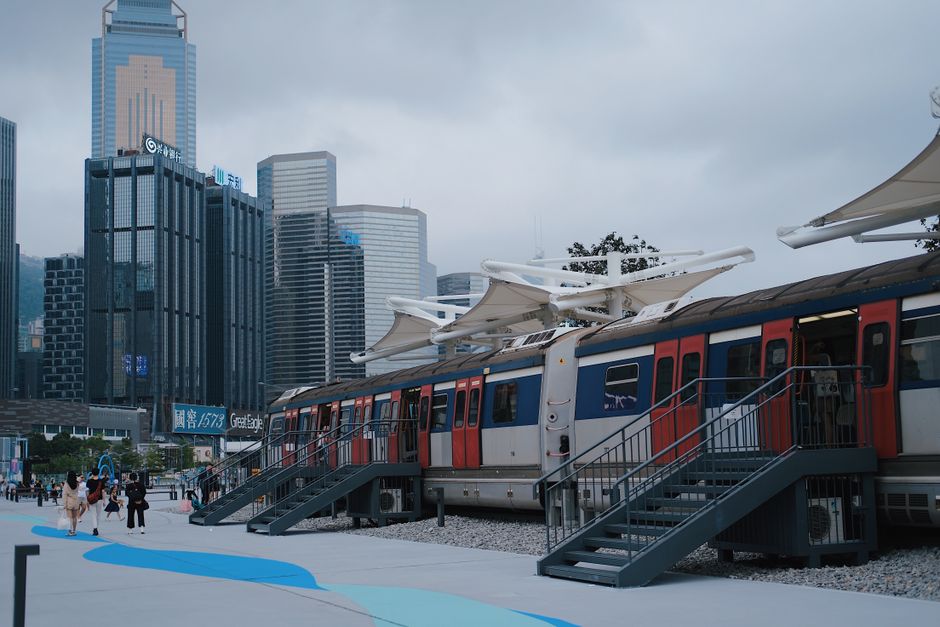
Early morning light filters through the trees along Peak Trail as a group of adults in their sixties and seventies navigate the winding steps with practiced ease. This scene, replicated daily across Hong Kong's parks and hiking routes, reflects a quiet revolution in how we approach ageing—one backed by compelling research that explains why movement matters more than ever.
The science is unequivocal. Studies published in recent years demonstrate that structured, consistent physical activity in older adults significantly reduces mortality risk, improves cardiovascular function, and preserves cognitive sharpness. For Hong Kong's rapidly ageing population—where those aged 65 and over now comprise over 20 per cent of residents—understanding this evidence has become crucial.
"The data shows that active ageing isn't just about feeling better," explains the research consensus emerging from geriatric medicine centres. Regular mobility work prevents sarcopenia (age-related muscle loss), maintains bone density crucial for fall prevention, and sustains the neural pathways that keep minds sharp. Walking the MacLehose Trail's gentler sections or practising tai chi in Victoria Park activates multiple physiological systems simultaneously—balance, proprioception, cardiovascular endurance, and mental resilience.
Hong Kong's geography offers unexpected advantages. The Peak Tram and strategic starting points along routes like Dragon's Back allow seniors to access challenging terrain without excessive strain. Department of Health clinics across neighbourhoods from Causeway Bay to Yuen Long increasingly screen for mobility limitations, recommending tailored activity progression based on individual baseline assessments.
The economic argument proves compelling too. Research indicates that physically active seniors experience 25 to 30 per cent fewer hospitalisations annually. For Hong Kong's healthcare system, this translates to significant burden reduction across public facilities handling thousands of older patients.
Local tai chi groups meeting at dawn in parks citywide represent perhaps the most accessible entry point. This ancient practice, now validated by biomechanical studies, strengthens core stability, improves proprioception, and has demonstrated measurable impacts on fall prevention—a critical outcome, as falls remain a leading cause of injury-related mortality in older populations.
The emerging evidence suggests personalisation matters enormously. Cookie-cutter programmes underperform; instead, mobility work tailored to individual capacity, progressively challenging without overwhelming, produces sustained engagement and better outcomes. Whether it's hiking Tai Tam or attending structured community fitness classes, the principle holds: consistent, appropriately challenging movement transforms the ageing trajectory.
For Hong Kong seniors considering whether now is the moment to move more deliberately: the research has spoken. The question is no longer whether active ageing works, but how to begin your own evidence-based journey.
This article was compiled by AI and screened before publishing. See our editorial standards.
About this article
Published by The Daily Hong Kong
Spread the word
Daily brief
Free, in your inbox before 7am. Weekdays.
Before you go
The day's Hong Kong news in a 2-minute read. Free, weekday mornings.