On a Tuesday morning in Central, as the Peak Tram queues build, a different kind of ascent is happening in a converted loft on Wyndham Street. Thirty practitioners move through sun salutations while Victoria Harbour glints below. This scene—yoga studios multiplying across Sheung Wan, Causeway Bay, and mid-levels neighbourhoods—reflects a wellness shift that's distinctly Hong Kong.
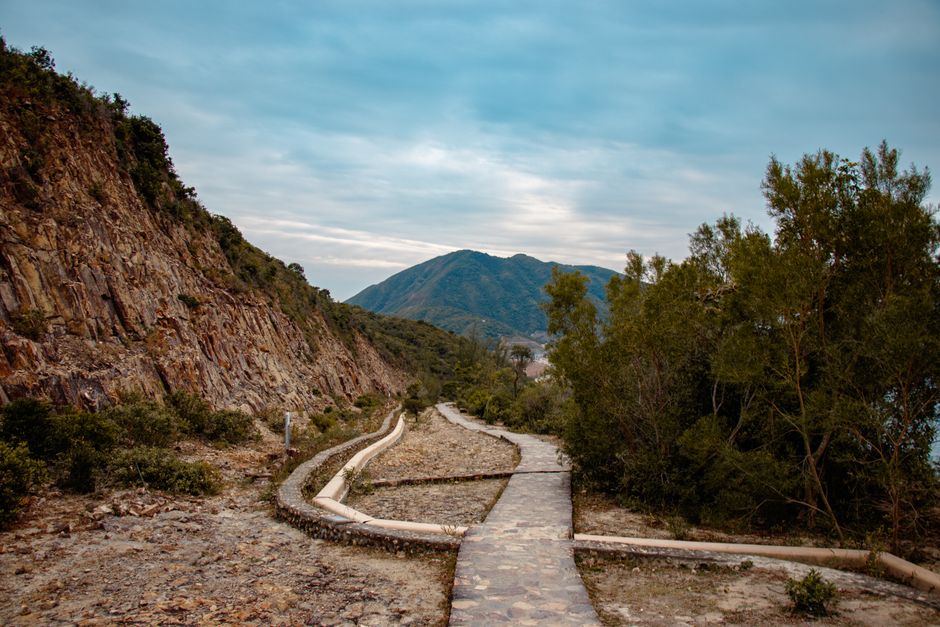
Global wellness tourism hit $639 billion in 2023, with yoga and meditation leading the charge in London, New York, and Singapore. Yet Hong Kong's uptake tells a subtly different story. While Western markets have embraced yoga as standalone practice, Hong Kong residents are weaving it into a broader tapestry that includes tai chi in morning parks, hiking the Dragon's Back trail, and traditional Chinese medicine consultations at Department of Health clinics across the territory.
The numbers are revealing. Major studios like Flow Yoga and Power Living operate multiple locations from Wong Chuk Hang to Quarry Bay, suggesting sustained demand. A single 60-minute class averages HK$200–300, positioning yoga as accessible luxury rather than elite indulgence. Compare this to meditation-focused apps—Insight Timer and Calm have gained traction locally, yet Hong Kong residents still prefer teacher-led sessions, suggesting a preference for community over isolation.
What's distinctly local is the integration. Rather than replacing tai chi culture in Victoria Park or along the MacLehose Trail, yoga and meditation are complementing it. Community centres in Wan Chai and Central offer subsidised yoga classes, democratising what might otherwise remain boutique. Traditional wisdom—breath work tied to qigong principles—feeds contemporary practice.
The pandemic accelerated adoption. Lockdowns drove online offerings from studios citywide, but studios have since reopened to full capacity. Unlike some global markets where hybrid models stuck, Hong Kong practitioners returned seeking physical presence and instructor feedback.
Yet challenges persist. Space constraints mean studios cluster in expensive neighbourhoods, leaving outer districts underserved. Corporate wellness programmes have slowly adopted yoga—KPMG, HSBC, and others now offer employee classes—yet adoption lags behind North American or European corporations.
Hong Kong's wellness narrative isn't about abandoning old practices for new ones. It's about integration: morning tai chi in Kowloon Park, lunchtime yoga near Exchange Square, evening hiking on Lantau, and tea at a traditional Chinese medicine clinic in Mong Kok. This pragmatic eclecticism—taking what works from global trends while honouring local traditions—may be the city's greatest wellness advantage.
For those curious about starting, consult your GP or visit Department of Health clinics for personalised guidance before beginning any new practice.
This article was compiled by AI and screened before publishing. See our editorial standards.