Sleep deprivation has become a badge of honour in Hong Kong's fast-paced culture, but a quiet wellness movement is reshaping how residents approach rest. Across neighbourhoods from Causeway Bay to Sheung Wan, everyday Hongkongers are discovering that better sleep isn't a luxury—it's the foundation for transforming their entire health story.
The Department of Health's Community Health Service Centres, which operate clinics in districts including Wan Chai, Mong Kok, and Tuen Mun, have noticed a marked uptick in residents seeking sleep consultations. Recent wellness surveys suggest that nearly 60% of Hong Kong adults report poor sleep quality, yet many never realised the domino effect: poor sleep cascading into joint pain, mood fluctuations, and reduced exercise motivation.
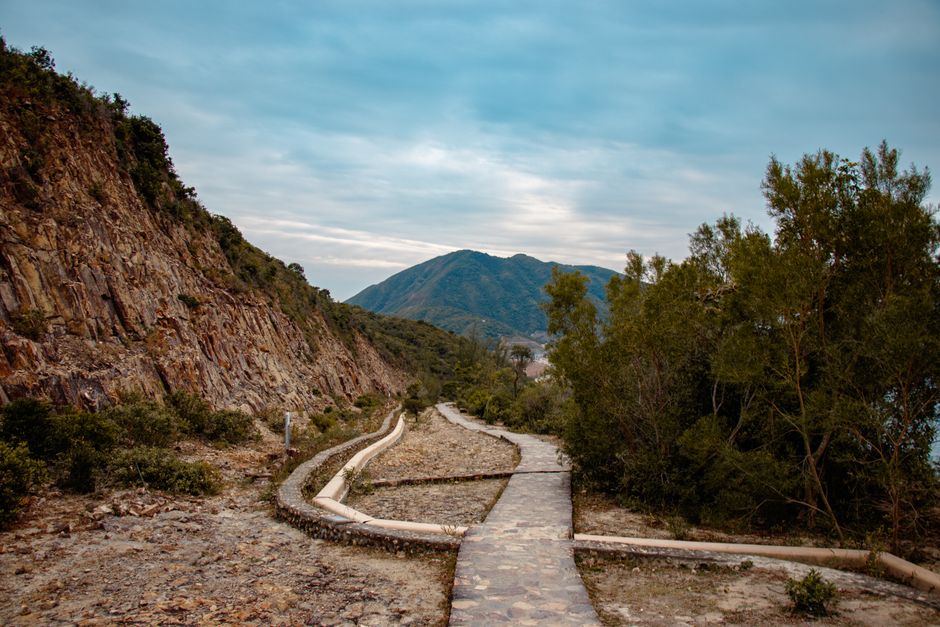
What's changing is the approach. Rather than quick fixes, community-led initiatives like the tai chi morning gatherings in Victoria Park and structured walking groups along the Peak Trail are proving transformative. These aren't clinical interventions—they're neighbourhood rituals that naturally reset circadian rhythms. Morning tai chi practitioners, many over 55, report falling asleep more naturally by 10 p.m., while evening walkers on the Dragon's Back trail describe deeper, more restorative rest.
The MacLehose Trail community hiking groups offer another angle. By committing to weekend outdoor activity—walking just 8–10 km—participants experience measurable improvements in sleep onset and duration within four weeks. The combination of daylight exposure, moderate physical exertion, and fresh air works without supplements or gadgets.
Local wellness studios in Central and Causeway Bay have adapted their offerings too. Yoga and meditation classes designed specifically for sleep—often held in late afternoon—are now booked weeks in advance. A 60-minute evening class typically costs HK$180–220, far less than medical intervention, yet participants report profound shifts in their nighttime routine.
The underlying pattern is consistent: when Hongkongers address sleep holistically—through movement, community connection, and natural light exposure—secondary health improvements follow. Those who walked regularly slept better and found themselves more motivated to hike longer distances. Better sleep meant clearer thinking for work. Reduced stress translated to fewer visits to Department of Health clinics.
The message resonating across neighbourhoods is simple: sleep isn't something to sacrifice for productivity. It's the currency that buys everything else—energy, resilience, and the capacity to enjoy Hong Kong's incredible outdoor spaces.
For sleep wellness support, consult your local Department of Health clinic or explore free tai chi classes in neighbourhood parks.
This article was compiled by AI from the sources linked above and screened before publishing. See our editorial standards.