More than half of Hong Kong adults report feeling persistently stressed, according to a 2024 survey by the Hong Kong Psychological Society, and the city's Department of Health has flagged mental wellness as a public health priority for the third consecutive year. Therapists from Causeway Bay to Sham Shui Po are pointing their clients toward one deceptively simple practice: journaling. Not the teenage diary kind. Structured reflective writing, done daily, with clear intention.
The timing matters. July marks the start of Hong Kong's notoriously brutal summer — 33-degree heat, humidity above 85 percent, and the kind of airless afternoons that keep people indoors and scrolling. Research published in the journal Psychological Science found that expressive writing for as little as 15 minutes three times a week measurably reduced anxiety symptoms over a four-week period. For a city where gym memberships average HK$800 a month and private therapy sessions routinely run HK$1,200 an hour, a HK$30 notebook from a Wan Chai stationery shop starts looking like excellent value.
Why Hong Kong Is Ready for This
The morning parks culture already exists here. Walk through Victoria Park in Causeway Bay at 7am on any weekday and you'll find dozens of residents running tai chi sequences, practising qigong, or simply sitting in deliberate silence. That same instinct toward structured, repeated, body-calming routine is exactly what journaling researchers argue happens on paper. The practice externalises internal noise — what psychologists call cognitive offloading — and creates a brief window of metacognition, essentially watching your own thoughts rather than being dragged along by them.
Hong Kong's terrain helps frame the habit, too. Hikers on Dragon's Back in Shek O or the Stage 2 stretch of the MacLehose Trail near Sai Kung frequently describe the trail as meditative. The rhythm of footfall, the absence of screens, the forced attention to immediate surroundings — journaling recruits the same neurological gears without requiring you to lace up your boots. The Hong Kong Mood Disorders Centre at the Chinese University of Hong Kong has incorporated reflective writing into several of its community outreach programs, citing its low barrier to entry as a key advantage for patients reluctant to begin formal therapy.
How to Actually Start
The most common mistake is treating the first entry like a performance. It isn't. Mindfulness-based journaling has three practical entry points, and any one of them works.
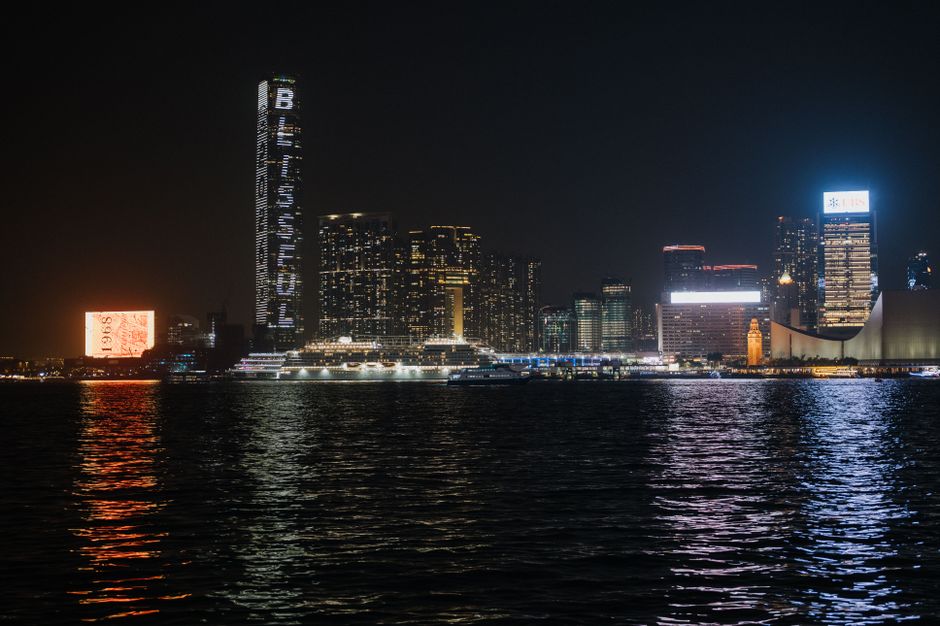
First, the three-sentence check-in: write one sentence about what your body feels right now, one about what you're thinking about most, and one about what you want to release before the day begins. Do it before you open your phone. Second, the gratitude anchor — not a vague list, but one specific moment from the previous 24 hours described in sensory detail. The smell of the congee from the dai pai dong on Temple Street. The exact shade of the harbour at 6pm from the Tsim Sha Tsui promenade. Specificity is what separates journaling from wishful thinking. Third, the unsent letter — write directly to whatever is causing anxiety, as if explaining it to a stranger. This technique appears in the Mindful HK programme run out of Sheung Wan, which offers free drop-in workshops on the first Saturday of each month at the Jockey Club Creative Arts Centre in Shek Kip Mei.
Equipment is deliberately unglamorous. Practitioners recommend lined paper over digital apps specifically because the slower pace of handwriting forces deliberation. The Leuchtturm1917 notebook — available at PageOne bookstore in Harbour City, Tsim Sha Tsui — costs around HK$158 and lasts most people three to four months of daily entries.
Start with five minutes. Set a timer. Don't edit, don't reread, don't judge. The Department of Health's Mind Health resource portal, updated in January 2026, lists reflective journaling among its recommended self-care tools alongside sleep hygiene and physical activity. That's not a coincidence. The evidence base has grown quickly, and the prescription is simple: show up to the page the way the tai chi crowd shows up to Victoria Park — regularly, quietly, and without expecting immediate results. Anyone concerned about persistent anxiety or depression symptoms should consult a registered professional through the department's citywide clinic network rather than relying on self-care alone.