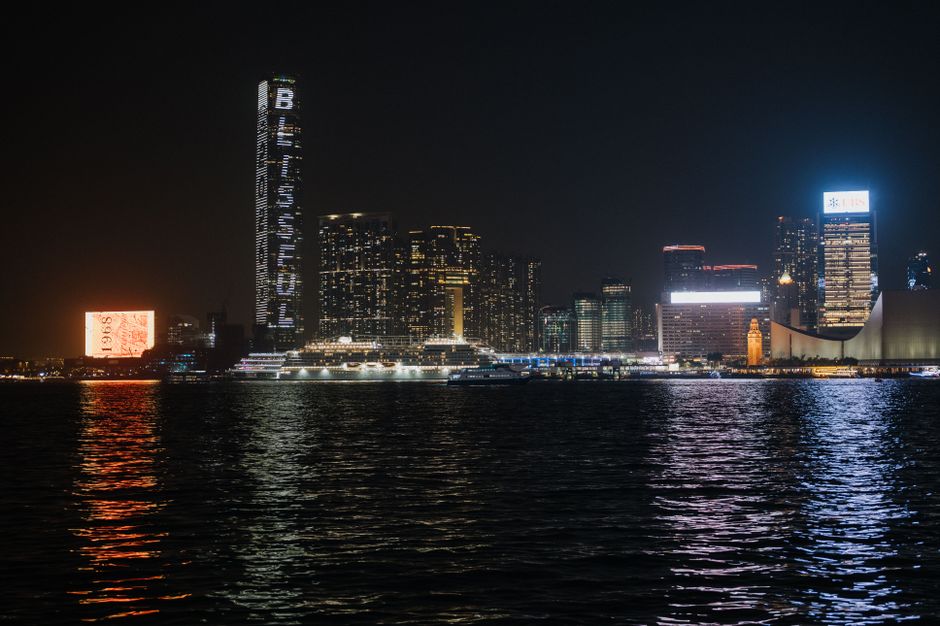
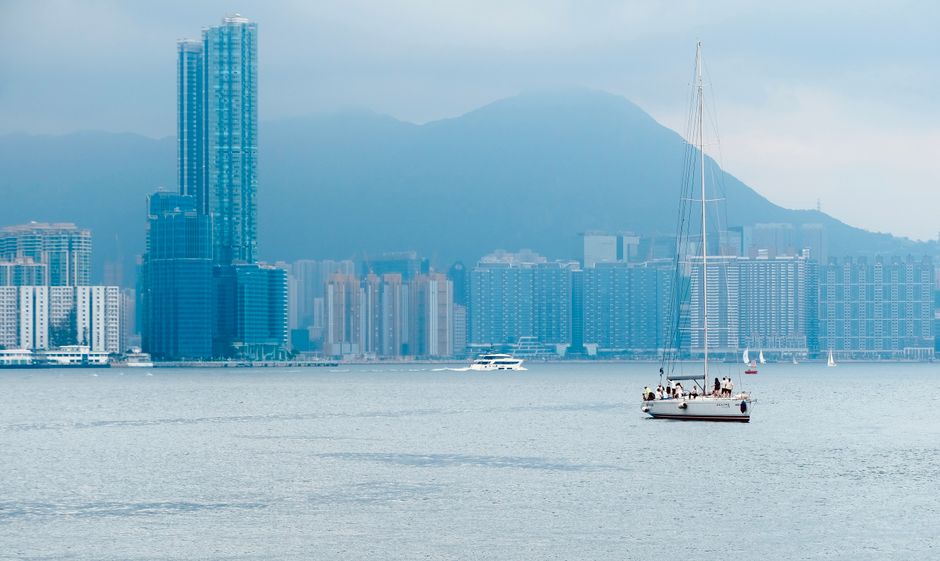
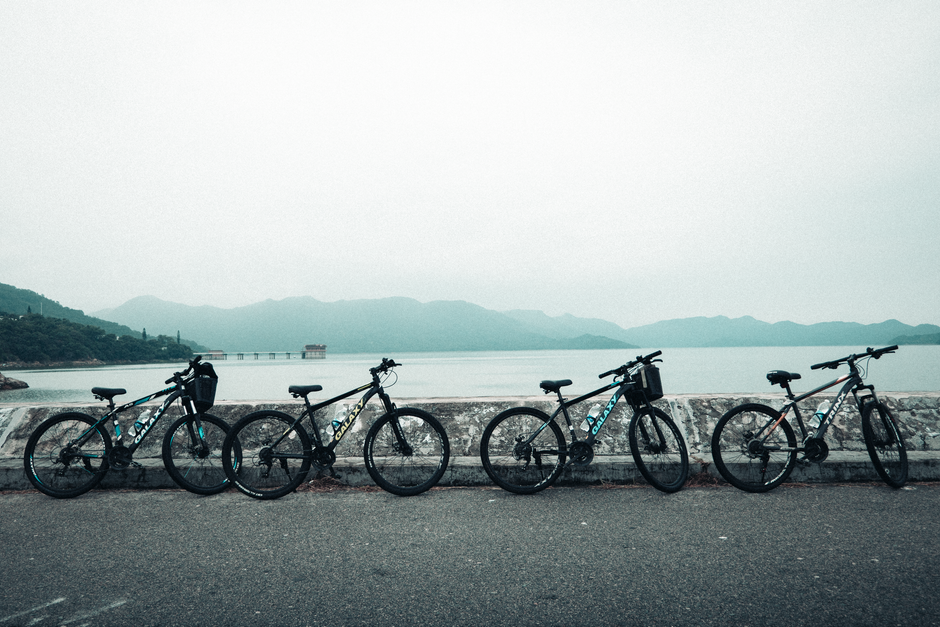
The alarm goes off at 5:45 a.m. in Sai Wan Ho, and the waterfront promenade along Shau Kei Wan Main Street East is already alive. Regulars jog in loose clusters past the typhoon shelter. A retired school principal does laps of Victoria Park before the tai chi groups claim their corners. This is not a weekend phenomenon. It is Tuesday.
Hong Kong's outdoor fitness culture has always existed, but health workers and trail organisers say something has accelerated in the past 18 months. Clinics run by the Department of Health across all 18 districts have recorded a measurable uptick in patients citing regular trail activity as their primary lifestyle intervention—prompted, in many cases, by a doctor's warning, a scare on the scales, or a simple decision that enough was enough.
The Trails That Changed the Calculus
Dragon's Back in Shek O Country Park is the entry point for many converts. The 8.5-kilometre loop from Shek O Road to Big Wave Bay remains one of the most accessible hikes in the territory—a technical enough climb to feel like effort, gentle enough that a first-timer in their 50s can complete it without specialist gear. On any given Saturday morning in June, the trailhead car park fills by 7:30 a.m.
Further along the New Territories, the MacLehose Trail stretches 100 kilometres from Pak Tam Chung in Sai Kung to Tuen Mun, broken into ten stages. Stage 2—the traverse between Sai Kung Country Park and Kei Ling Ha—has become a proving ground for mid-career professionals who started walking for stress relief and ended up training for the annual Oxfam Trailwalker, which draws roughly 4,500 participants each autumn. The 2025 event saw a 12 percent rise in first-time entrant teams compared to the 2023 edition, according to Oxfam Hong Kong's published race data.
The Lung Fu Shan Environmental Education Centre, tucked above Pok Fu Lam Road on Hong Kong Island, runs free guided morning walks on the second Saturday of each month. Attendance has more than doubled since the programme expanded its Cantonese-language sessions in January 2026, according to the Agriculture, Fisheries and Conservation Department's community outreach figures.
Why Now, and What the Numbers Show
The timing matters. A 2025 report from the Hong Kong Council of Social Service found that 41 percent of adults surveyed in Kowloon City, Kwun Tong and Yuen Long described their physical activity levels as insufficient. Among those who reported improving their activity within the past year, over half cited a specific outdoor location—a named trail, a harbourfront route, a park circuit—as the anchor that made regularity possible. Abstract gym memberships, at HK$600 to HK$1,200 a month at most commercial chains, proved less sticky than a free ridgeline with a view of the South China Sea.
The Peak Trail—the 3.5-kilometre loop around Victoria Peak at 552 metres above sea level—logged a 28 percent increase in weekday foot traffic between January and May 2026, based on counter data published by the Country and Marine Parks Authority. Weekday numbers matter more to health researchers than weekend spikes, because they signal routine rather than recreation.
Practitioners at the Hong Kong Sports Institute in Fo Tan have noted that the city's dense trail network effectively removes the main barrier most people cite: commute time. From Quarry Bay MTR station, a runner can reach the Quarry Bay Tree Walk trailhead in under ten minutes on foot. From Diamond Hill, the Lion Rock Country Park entrance is a fifteen-minute walk from the MTR exit.
For anyone thinking about starting, the AFCD's Green Power website lists graded trail maps for every district, with difficulty ratings updated seasonally. The Department of Health's Jockey Club FAMILY Project clinics—operating in Kwai Chung, Tuen Mun and Tin Shui Wai among other locations—offer free health checks that include a brief physical activity assessment; they are a practical first stop before committing to anything ambitious. The trails will not wait, but neither will they go anywhere. Start at flat and local, then climb.