Wellness
The Science Behind Mindfulness: What It Actually Does to the Brain
Neuroimaging studies and new research reveal how mindfulness alters brain chemistry—here’s where Hongkongers are putting theory into practice.
3 min read
Wellness
Neuroimaging studies and new research reveal how mindfulness alters brain chemistry—here’s where Hongkongers are putting theory into practice.
3 min read
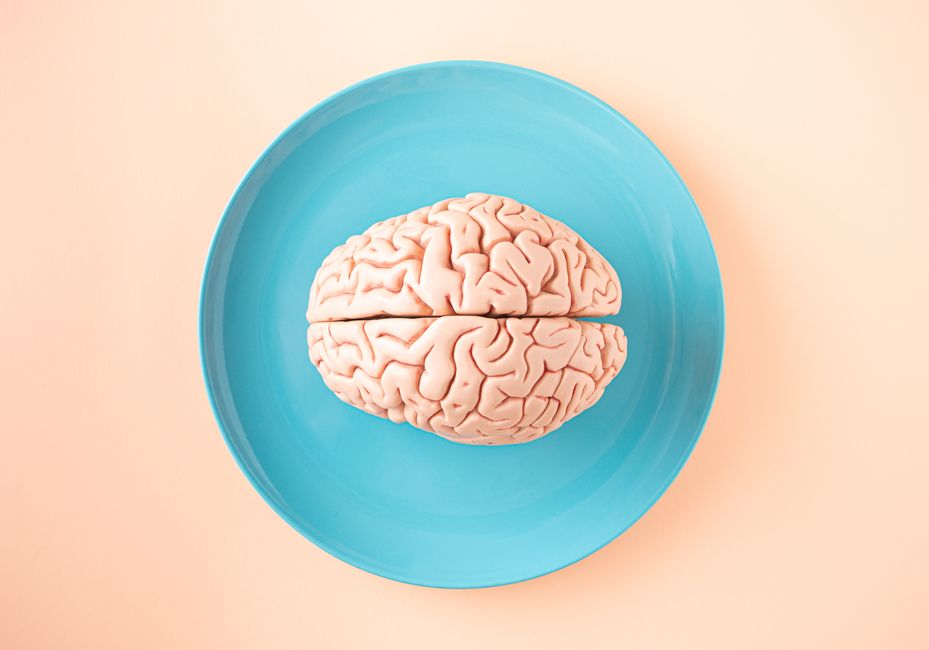
Mindfulness isn’t just a buzzword in Hong Kong’s wellness scene: MRI scans now show that regular meditation can physically reshape the brain, boosting memory, easing stress, and even dulling chronic pain—all in as little as eight weeks.
This is big news for a city under pressure. Hong Kong’s fast-paced lifestyle—and the city’s unique mix of dense urban chaos and accessible natural escapes—means stress is a constant companion. A 2023 survey by the Hong Kong Mental Wellness Association found that 64% of adults reported high levels of daily stress, a record high since before the pandemic. As digital mindfulness trackers and meditation apps surge in popularity, residents are asking: does mindful breathing really change your brain, or is it just hype?
Local demand for evidence-driven meditation is clear. This summer, Mindful HK, a Central-based non-profit, is packing out guided sessions at the HK Park Sports Centre off Cotton Tree Drive. Dozens quietly fill the glass-walled room each weekday, practicing breathwork as trams grind by below. Meanwhile, the Balance Health Integrative Medicine Centre on Queens Road East offers eight-week Mindfulness-Based Stress Reduction (MBSR) programmes, with the next cohort starting July 15th. Over at Sun Yat Sen Memorial Park in Sai Ying Pun, early risers can join free tai chi and mindful movement groups every Monday and Wednesday—practices now shown to recruit many of the same neural pathways as formal meditation.
The science is catching up. Early skepticism about “mindfulness” gave way in the 2010s to a flood of peer-reviewed data. A landmark Harvard Medical School study led by Dr. Sara Lazar used MRI scans to track 16 adults before and after an eight-week MBSR course. Their brains showed increased thickness in the hippocampus—the region tied to learning and memory—and reduced volume in the amygdala, the brain’s fear and stress hub. Similar results have been echoed by researchers at CUHK’s Department of Psychiatry, who recently reported that mindfulness training led to measurable decreases in reactivity in Hong Kong university students during exam season.
There are real-world savings, too. Balance Health’s MBSR package, at HK$3,200 for the full course, is now covered by several local insurance providers under mental wellness benefits—an acknowledgment that this is more than a “soft” skill. Studies from the World Health Organization estimate that workplaces lose 12–20% of productivity annually due to stress—adding up to HK$21 billion across the city each year.
With mounting data and a surge in local offerings, mindfulness is poised to move further into mainstream city life. Some secondary schools in Kowloon Tong are piloting “mindful classrooms” this autumn with guidance from the Hong Kong Jockey Club’s Centre for Positive Ageing, aiming to give students mental tools backed by hard science.
For residents interested in getting started, most public libraries citywide now stock guided mindfulness audio, and the Department of Health’s Family Health Service regularly hosts free introductory workshops at Wan Chai and Tsuen Wan clinics. Experts recommend aiming for just 10 minutes of seated meditation per day; regular practice has been shown to yield benefits within two months. As the scientific understanding grows, more Hongkongers are blending traditional tai chi or park walking with the latest research, putting brain-boosting serenity within easy reach—one mindful breath at a time.
Wellness
Wellness

Wellness

Wellness
About this article
Published by The Daily Hong Kong
Spread the word
Daily brief
Free, in your inbox before 7am. Weekdays.
Before you go
The day's Hong Kong news in a 2-minute read. Free, weekday mornings.