Wellness
Digital detox: setting phone-free hours that actually work
Hong Kong residents are averaging more than nine hours of daily screen time — here's how to claw back your evenings, your mornings, and your mind.
4 min read
Wellness
Hong Kong residents are averaging more than nine hours of daily screen time — here's how to claw back your evenings, your mornings, and your mind.
4 min read
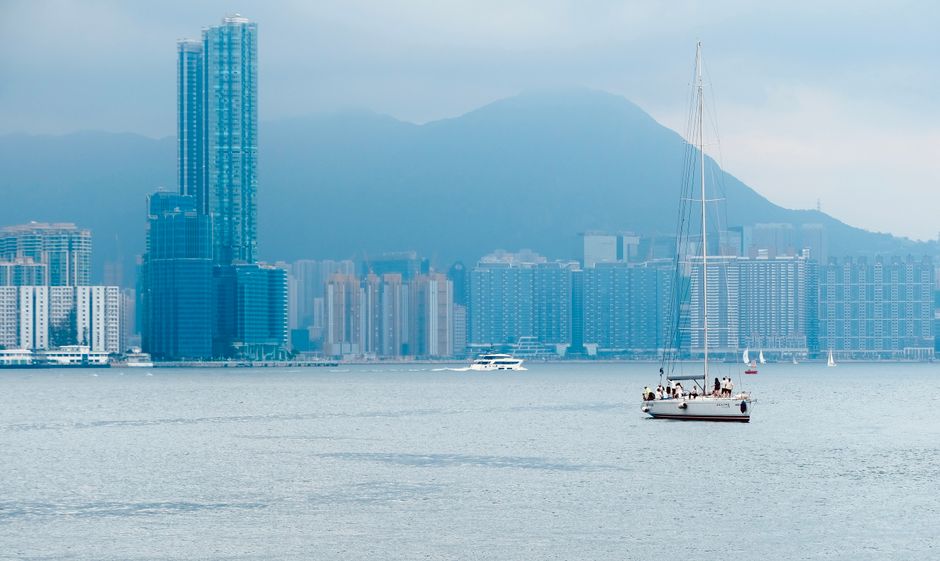
Put the phone down. Easier said than done in a city where WhatsApp threads run through midnight and bosses expect replies on public holidays. New figures from the 2025 Hong Kong Digital Well-being Survey, published by City University of Hong Kong's Department of Media and Communication, put average daily screen time for adults at 9.3 hours — roughly 40 minutes higher than the previous year's count and among the steepest readings recorded in the Asia-Pacific region. For a significant slice of respondents aged 25 to 44, the number crept past eleven hours.
The timing matters. Global conversations about hormone disruption, sleep degradation, and chronic anxiety are colliding with a post-pandemic workforce that never fully disconnected from remote-work habits. Blue-light exposure after 10 p.m. suppresses melatonin production and delays sleep onset — a well-documented physiological chain that the Department of Health's Healthy Living Campaign has flagged repeatedly in its public-education materials. The question is no longer whether constant connectivity is harmful. It's what, practically, anyone living in a 700-square-foot flat in Mong Kok or Tuen Mun actually does about it.
The city's structure fights you. MTR commutes average 38 minutes according to Transport Department data, and almost everyone on a Kwun Tong Line carriage is staring at a screen. Office culture in Central and Admiralty has historically rewarded visible availability. A scroll through any Telegram group for Wan Chai co-working spaces shows the same anxiety: people terrified to mute notifications during a lunch break.
But there are cracks in the culture worth noticing. The Mind HK charity, based in Wong Chuk Hang, has seen enrollment in its digital-boundaries workshops more than double since 2024. Its eight-week Mental Health First Aid programme now dedicates one full session to what facilitators call "intentional offline periods" — specific, pre-scheduled windows of no less than 90 minutes where participants commit to phone-free activity. The structure is deliberate: vague intentions to "use the phone less" collapse within days. A calendared block, treated like a meeting, survives.
Separately, the YMCA of Hong Kong runs weekend programming at its Beacon Hill site in Kowloon Tong specifically built around technology-free outdoor movement. Participants pay HK$180 for a half-day session that includes trail walking on the Maclehose Trail's first stage near Pak Tam Chung in Sai Kung, followed by a structured group debrief. Waitlists for July and August extended to three weeks as of the first of this month.
Wellness practitioners who work with the city's population broadly agree on a few non-negotiable mechanics. First, the phone-free window needs an anchor activity — something that makes holding a device physically inconvenient or socially awkward. Morning Tai Chi in Victoria Park at 7 a.m. is a genuine candidate: dozens of practitioners gather near the central fountain six days a week, and the form demands both hands. Dragon's Back trail above Shek O, one of the city's most accessible ridge walks, offers another natural anchor — you cannot grip trekking poles and doomscroll simultaneously.
Second, the window should be the same time every day for at least three weeks. Behavioural psychology research from the University of Hong Kong's psychology faculty, published in the Asian Journal of Psychiatry in March 2026, found that habit formation around technology reduction required an average of 22 days of consistent practice before participants reported the behaviour feeling automatic rather than effortful.
Third — and this trips up most people — notifications must be disabled, not merely ignored. Leaving them on and choosing not to look is an act of constant willpower. Turning them off removes the decision entirely. Apple's Focus mode and Android's Digital Wellbeing tools both allow scheduled profiles; setting one to activate automatically at, say, 9 p.m. daily removes human error from the equation.
The Department of Health's Elderly Health Centres, which operate at 18 locations across Hong Kong including branches in Yau Ma Tei and Tuen Mun, already advise older patients on sleep hygiene tied to screen reduction. Younger residents may need to seek similar guidance proactively. Mind HK offers a free self-assessment tool on its website and a 24-hour support line at 2382-0000. The evidence is clear enough. The harder work is structural — treating offline hours not as deprivation but as a scheduled, non-negotiable part of the day. That reframe, modest as it sounds, is where the real shift begins.
Wellness
Wellness

Wellness

Wellness
About this article
Published by The Daily Hong Kong
Spread the word
Daily brief
Free, in your inbox before 7am. Weekdays.
Before you go
The day's Hong Kong news in a 2-minute read. Free, weekday mornings.