Exercise cuts anxiety symptoms by up to 48 percent in adults who engage in consistent aerobic activity — and health professionals say Hong Kong's dense urban environment, punishing work hours and post-pandemic stress load make that figure more relevant here than almost anywhere else in Asia.
The city logged some of its highest workplace burnout indicators since records began when the Department of Health released its 2025 mental wellness survey last October, with 61 percent of respondents in the 25–44 age bracket reporting moderate-to-severe anxiety. July typically deepens the problem. The summer heat drives people indoors, gym memberships lapse, and the informal outdoor habits that anchor many residents' mental routines — the 6 a.m. walk up Bowen Road, the Sunday trail run on MacLehose Stage 1 out of Pak Tam Chung — fall away just when the academic and financial calendars pile pressure back on.
What the Research Actually Says
The mechanism is not mystical. Aerobic exercise triggers a measurable drop in cortisol, the body's primary stress hormone, while simultaneously raising levels of brain-derived neurotrophic factor, a protein that supports mood regulation and cognitive resilience. A 2024 meta-analysis published in JAMA Psychiatry — drawing on data from 1,800 participants across 18 trials — found that even two 30-minute sessions of moderate-intensity movement per week produced clinically significant reductions in generalised anxiety disorder symptoms within six weeks. The sessions did not need to be intense. Brisk walking qualified.
Resistance training showed similar results, with particular benefits for people whose anxiety manifests as physical tension or insomnia — complaints that dominate intake notes at the Hospital Authority's psychiatric outpatient clinics across Kowloon and Hong Kong Island.
Putting It Into Practice in Hong Kong
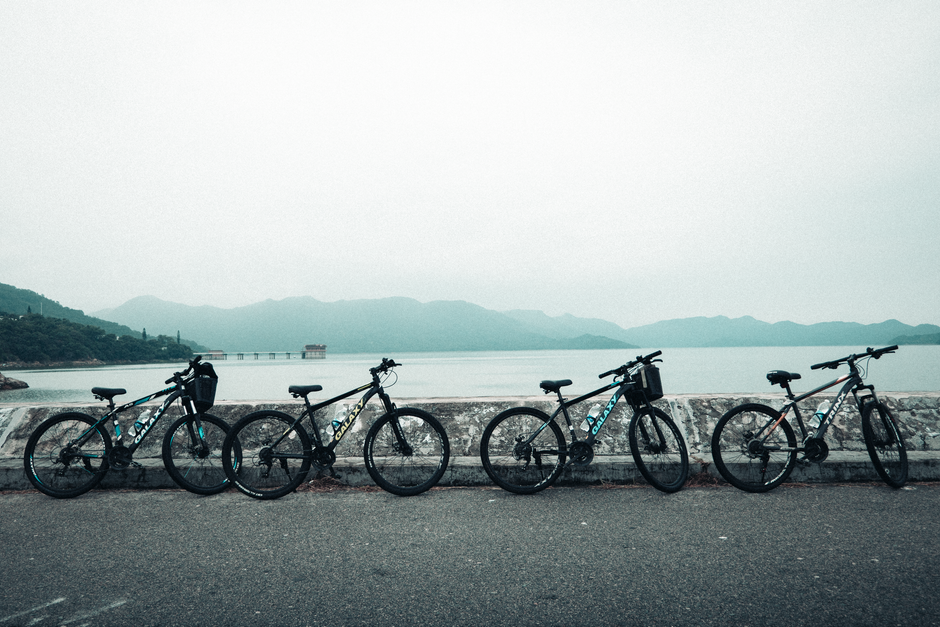
The good news for residents is that the city has built some of its best mental-health infrastructure into its geography, often without advertising it as such. The 100-kilometre MacLehose Trail, which stretches from Sai Kung in the east to Tuen Mun in the west, offers everything from gentle coastal sections to demanding ridge climbs, all accessible by MTR or bus. Stage 2, running between Pak Tam Au and Kei Ling Ha, takes around three hours at a comfortable pace and sits almost entirely within the Sai Kung Country Park — green canopy, sea views, minimal traffic noise.
Closer to urban Kowloon, the Leisure and Cultural Services Department runs free Tai Chi instruction sessions at Kowloon Park every Tuesday and Thursday morning from 7 a.m. to 8 a.m. Tai Chi's slow, deliberate movement patterns activate the parasympathetic nervous system — the body's rest-and-digest response — in ways that closely mirror the effects of mindfulness meditation. Monthly gym membership at a standard YMCA facility in Tsim Sha Tsui runs approximately HK$480 for adults; the Dragon's Back trail in Shek O Country Park, consistently ranked among Hong Kong's finest coastal hikes, costs nothing beyond an Octopus card tap to Shau Kei Wan MTR.
Mental health charities including Mind HK and the Richmond Fellowship of Hong Kong both emphasise structured physical activity as a frontline, non-clinical tool in their community programmes. Mind HK's #MindsHK campaign, active since 2019, explicitly links regular movement to reduced help-seeking thresholds — meaning people who exercise consistently are more likely to reach out for professional support when symptoms escalate, not less.
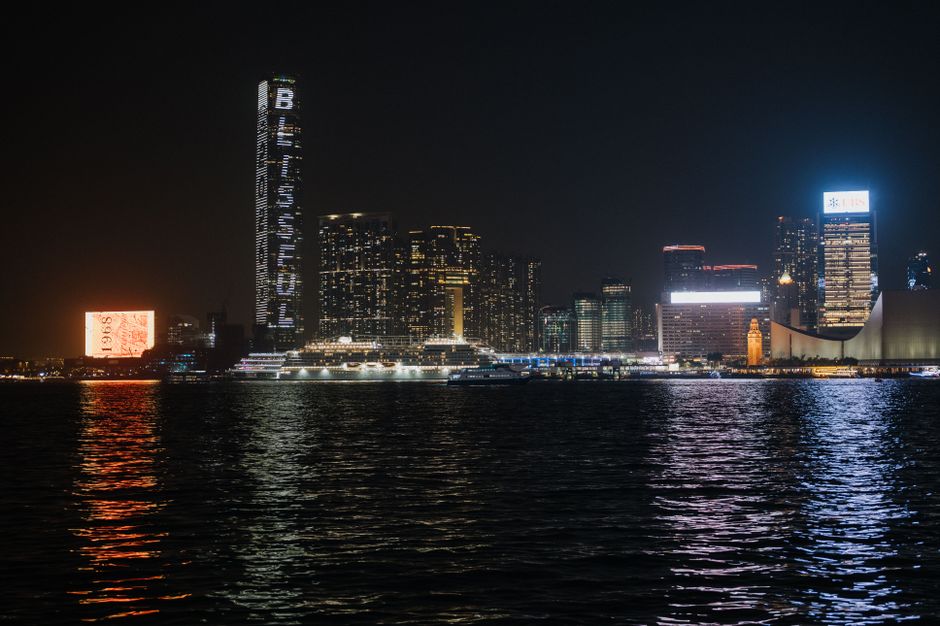
The practical advice from wellness professionals is consistent: lower the bar. Three 20-minute walks per week through Wan Chai's morning back streets or along the Central Harbourfront is a more sustainable starting point than an ambitious gym contract signed on a bad day. Consistency, not intensity, drives the anxiety-reduction effect. Those experiencing persistent or severe anxiety symptoms should contact the Department of Health's 24-hour Mental Health Direct hotline at 2382 0000 or speak with their nearest general outpatient clinic — which, across Hong Kong's 18 districts, is rarely more than a few stops away.