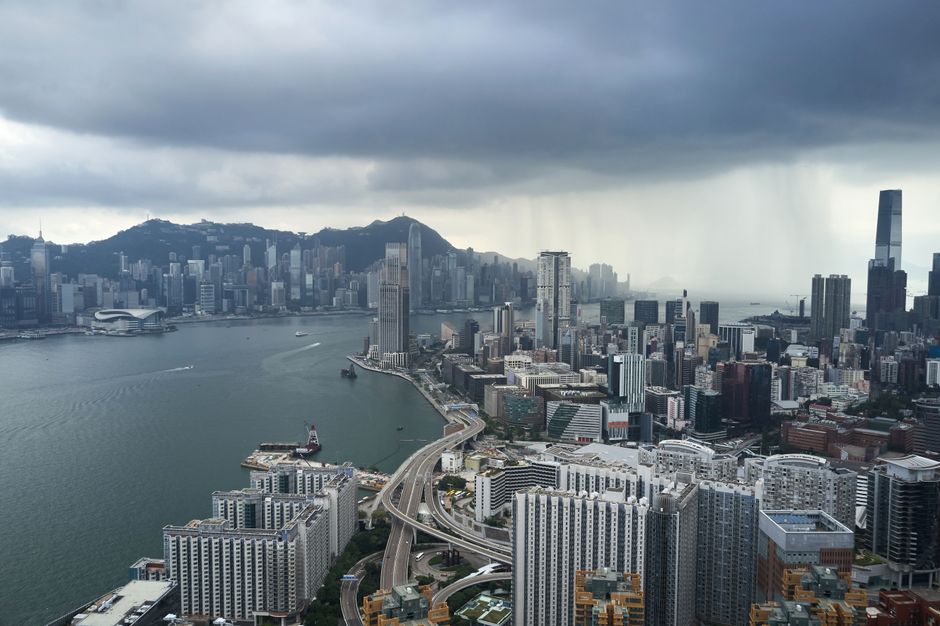
Hong Kong's startup ecosystem is undergoing a spatial realignment that is quietly reshaping where opportunity lives in the city. While Causeway Bay and Central have long dominated the venture capital conversation, a new innovation belt is crystallising across Kowloon East and the New Territories, with government incentives and real estate economics creating a distinct advantage for entrepreneurs willing to relocate.
The shift accelerated after the government's 2024 commitment to transform areas like Kai Tak and Tseung Kwan O into dedicated innovation districts. By mid-2026, the early beneficiaries are clear: co-working operators, property developers, and tech firms seeking lower overheads are moving aggressively. WeWork-style operators have expanded their footprint in Kowloon East from three locations to seven in eighteen months. Meanwhile, serviced office operators report 85% occupancy rates in Tseung Kwan O—a 40% jump from 2024—with rents running at HK$25–35 per square foot monthly, roughly half the Central premium.
Property developers have noticed. MTR Property and Sino Land have both launched dedicated innovation-focused developments in these areas, combining office space with accelerator programmes and retail components designed to attract younger, capital-light founders. The Kai Tak Sports Park precinct, still under development, is already attracting preliminary commitments from three mid-stage AI and biotech firms looking to establish R&D facilities before official launches.
But the real winners so far are the enablers. Accounting and legal services firms with satellite offices in these zones report 60% revenue growth year-on-year from startup clients. Event venues around Kowloon East's tech quarter are booked solid for founder networking events, with ticket prices climbing from HK$150 to HK$400 for premium sessions—a clear signal of demand concentration.
The Hong Kong government's newly expanded Innovation and Technology Fund, now allocating HK$5 billion annually, has also tilted towards projects anchored outside Central. Successful applicants are increasingly those willing to establish or expand operations in Kowloon East, Tseung Kwan O, or the Northern New Territories. This creates a multiplier effect: cheaper rents attract founders, government grants reduce capital burn, and infrastructure investment follows, which in turn attracts more talent and investment.
Not everyone has migrated. Premium venture capital firms remain concentrated in Central's increasingly cramped office towers. But the geography of Hong Kong's startup economy is undeniably shifting. For founders and service providers nimble enough to spot the trend early, the next two years may define their trajectory in a city that has rarely moved fast on infrastructure-led opportunity—until now.
This article was compiled by AI from the sources linked above and screened before publishing. See our editorial standards.