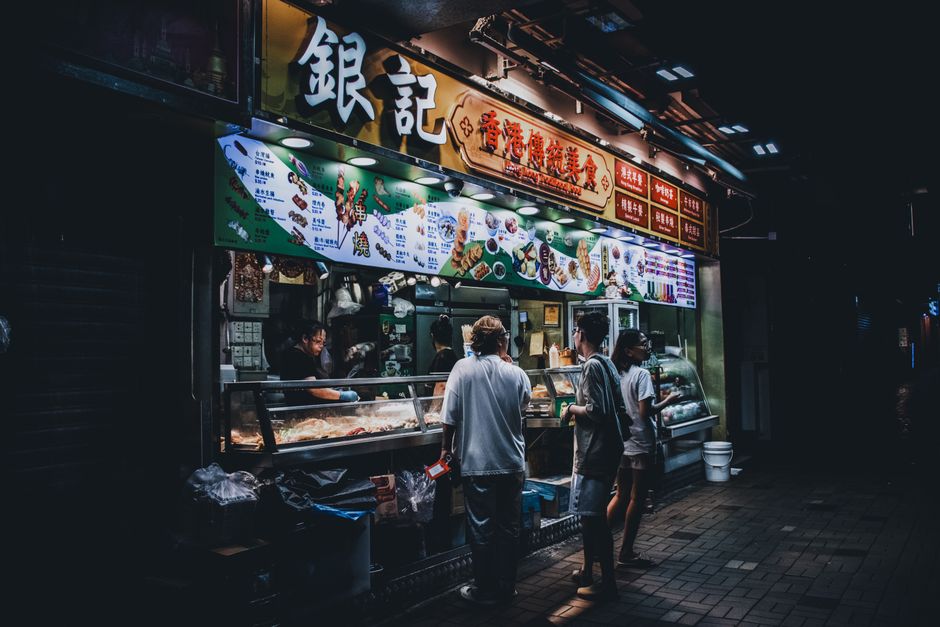
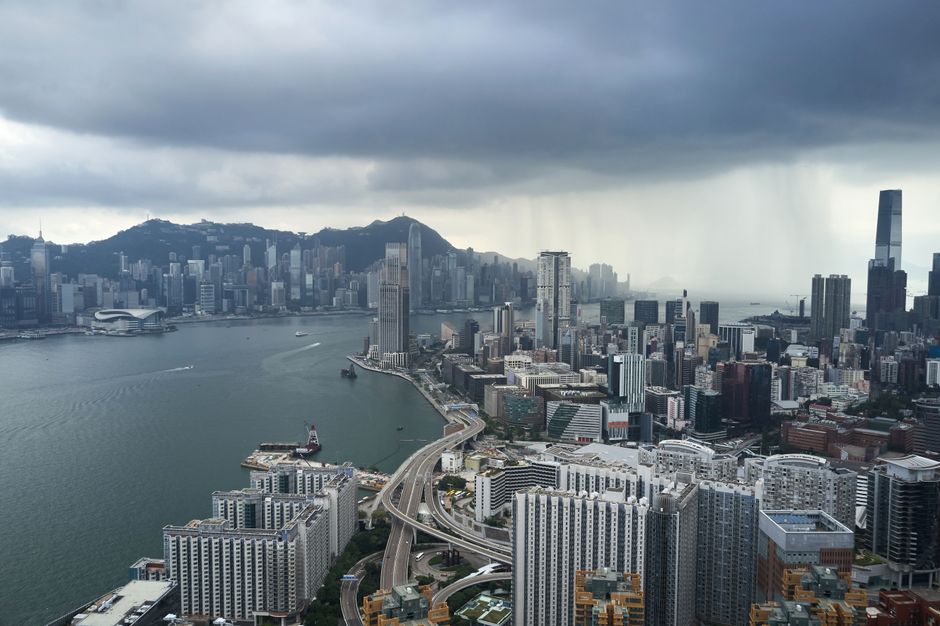
Walk down Causeway Bay's Paterson Street or browse the packed corridors of Times Square, and you'll notice something unmistakable: Hong Kong's retail and hospitality landscape is in flux. After months of cautious recovery, businesses are now grappling with a tighter operating environment that's reshaping how restaurants price their menus, how shops manage inventory, and what experience consumers can expect when they step through the door.
The statistics paint a clear picture. Rental costs across Central's prime retail strips and mid-tier neighbourhoods like Sheung Wan remain elevated, with some landlords holding firm despite softer footfall in certain zones. Meanwhile, labour costs have climbed steadily—hospitality workers in the city are commanding higher wages as competition for skilled staff intensifies. A typical service charge at mid-range restaurants now routinely reaches 10 per cent, and some establishments have begun absorbing or passing along ingredient costs more transparently than before.
What this means for your pocket: expect restaurant bills to remain firm, particularly in areas with high turnover like Lan Kwai Fong and Soho. However, several independent operators and smaller dim sum establishments in neighbourhoods like Mong Kok and Cheung Sha Wan are experimenting with more competitive pricing and value-focused menus to retain everyday customers. Chains and hotel-backed venues, by contrast, show less price flexibility.
The retail picture is more nuanced. Department stores and major shopping centres like IFC and Landmark continue to anchor the luxury and mid-market sectors, but smaller independent retailers—particularly those selling fashion, homeware, and niche goods—are increasingly visible on secondary streets and in older shopping arcades. Many are leveraging online channels alongside physical presence, a shift that's allowed them to operate leaner and compete on differentiation rather than scale.
Delivery platforms remain integral to the food ecosystem, though their role is stabilising after years of explosive growth. Restaurants that once relied heavily on third-party apps are now investing more in their own ordering systems and marketing directly to neighbourhoods. This trend favours established restaurants with brand recognition and loyal customer bases.
The takeaway for residents: Hong Kong's retail-hospitality sector is becoming more segmented. Premium venues and major chains will maintain their positioning. Independent and neighbourhood-focused businesses are carving out space through quality, personalisation, and selective pricing. To get good value, explore smaller establishments in less-touristy districts, pay attention to pricing transparency, and be prepared for service charges as a standard feature of the dining experience.
This article was compiled by AI and screened before publishing. See our editorial standards.