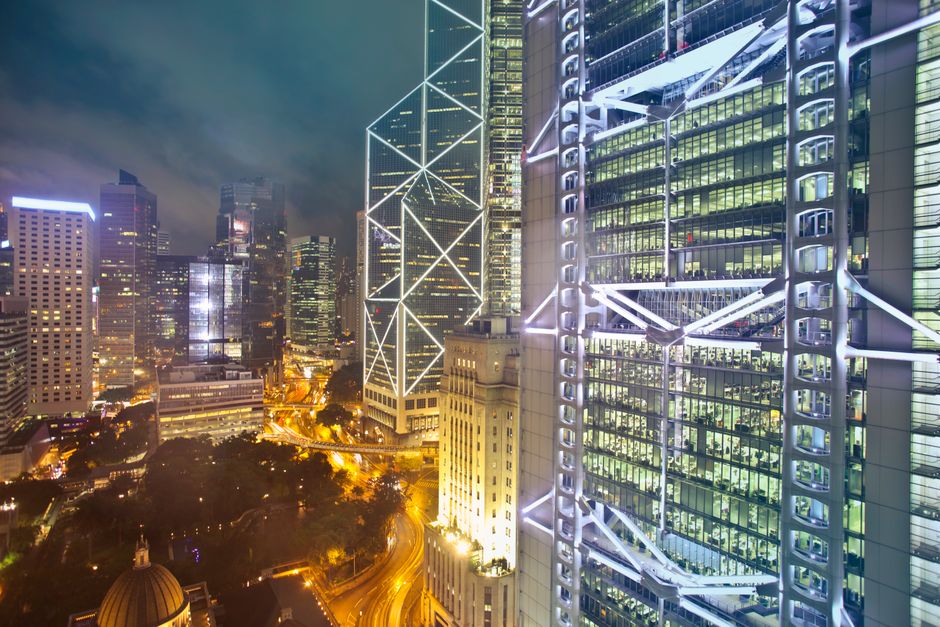
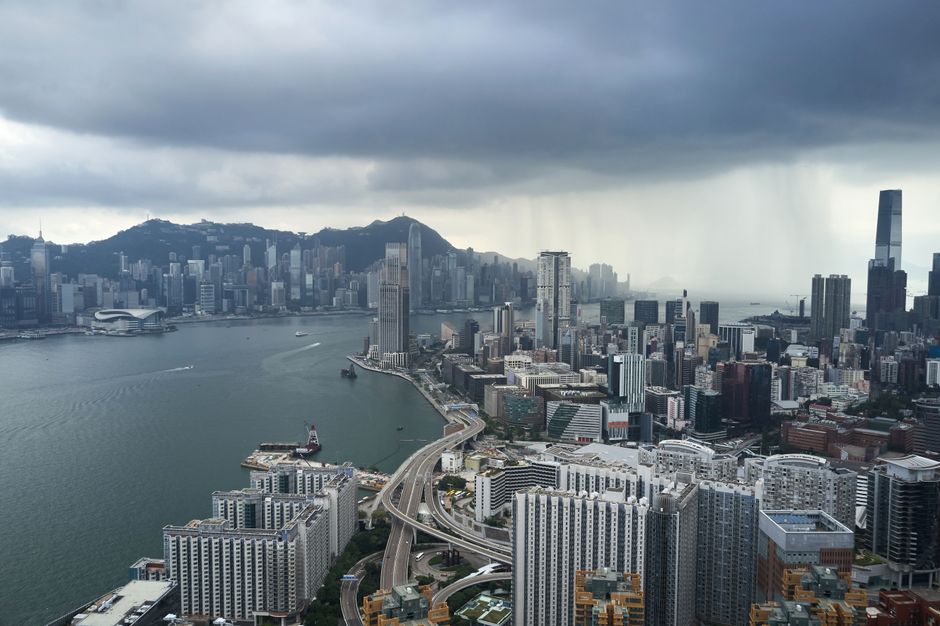
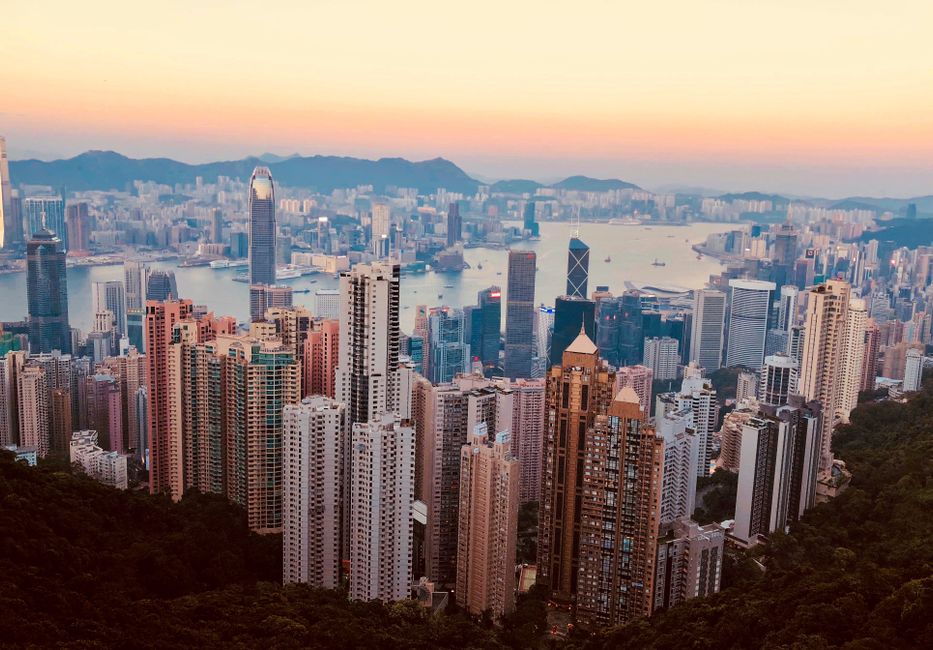
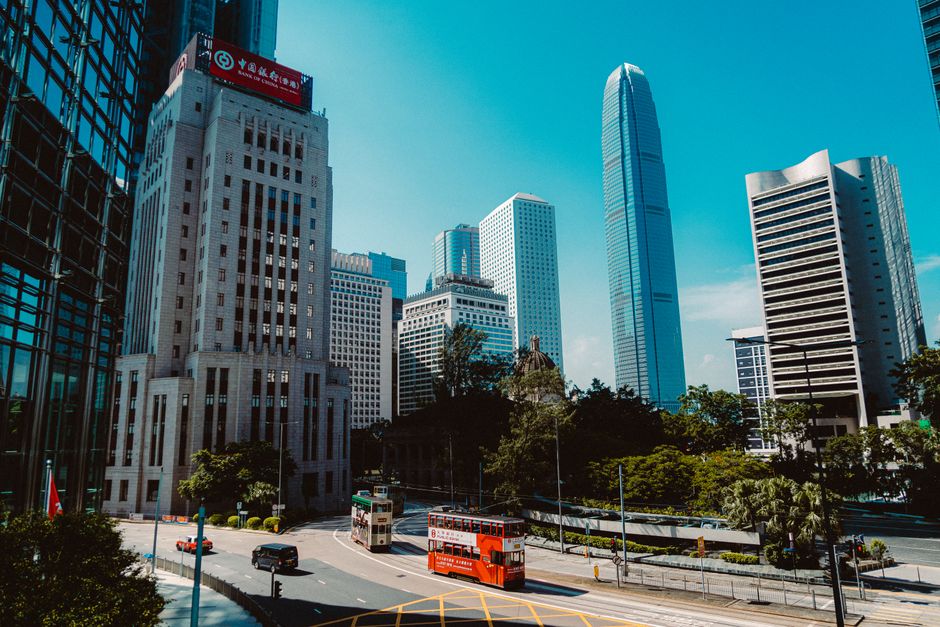
Hong Kong's business landscape is tightening. Six months into 2026, the city's cost-of-living surge is forcing a reckoning for companies operating across retail, hospitality, and professional services—sectors that collectively employ nearly 40% of the workforce and depend heavily on foot traffic and client spending.
Office rents in Central have climbed 8–12% year-on-year, according to recent commercial property surveys, while residential leases in mid-tier neighbourhoods like Causeway Bay and Mong Kok are up 6–9%. Utilities, imported food, and transport costs have similarly accelerated, squeezing both household budgets and business margins. For small and medium enterprises already operating on thin margins, the pressure is acute.
The challenge intensifies as consumer confidence wavers. Retail footfall across Harbour City and Times Square has flattened compared to early 2025, and mid-range dining establishments report softening demand. Simultaneously, luxury segments—high-end watches, fine dining, exclusive real estate—remain resilient, reflecting Hong Kong's persistent wealth inequality.
What should savvy business leaders be watching? First, labour retention is becoming critical. Competitive salary pressures mean attracting talent now requires more than base pay; flexible work arrangements and career development have become table-stakes, particularly in fintech and professional services clustered around Exchange Square.
Second, supply chain costs remain volatile. Companies sourcing from mainland China face fluctuating logistics expenses, while those dependent on international imports—common in the fashion and electronics sectors along Portland Street—must hedge currency exposure more carefully.
Third, the shift toward e-commerce and digital services is accelerating. Brick-and-mortar retailers increasingly view their physical presence as a showroom rather than a primary revenue driver, forcing a fundamental reimagining of real estate strategy.
For investors, the picture is mixed. Property yields remain compressed by high valuations, but selective opportunities exist in logistics infrastructure and technology-enabled service businesses that can pass costs to customers. The Hang Seng Index, while volatile, has held relatively steady as international uncertainty persists—particularly around regional trade dynamics and geopolitical tensions affecting shipping routes through the South China Sea.
The second half of 2026 will likely test Hong Kong's economic resilience. Businesses that lock in cost efficiencies now, diversify revenue streams, and invest in digital capabilities are positioning themselves to weather the storm. Those clinging to old operational models may find themselves increasingly squeezed in a city where adaptability has always been the ultimate competitive advantage.
This article was compiled by AI and screened before publishing. See our editorial standards.