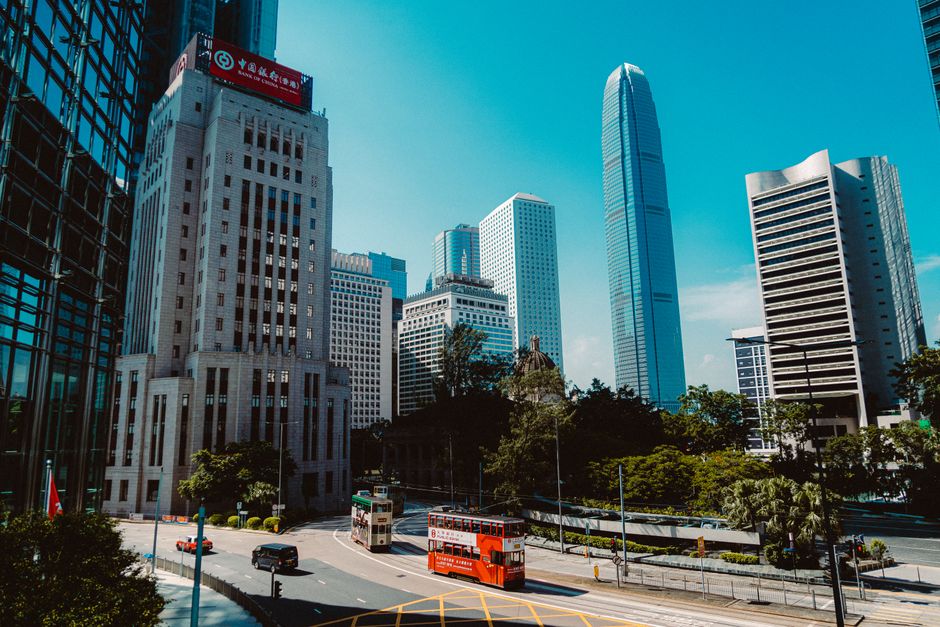
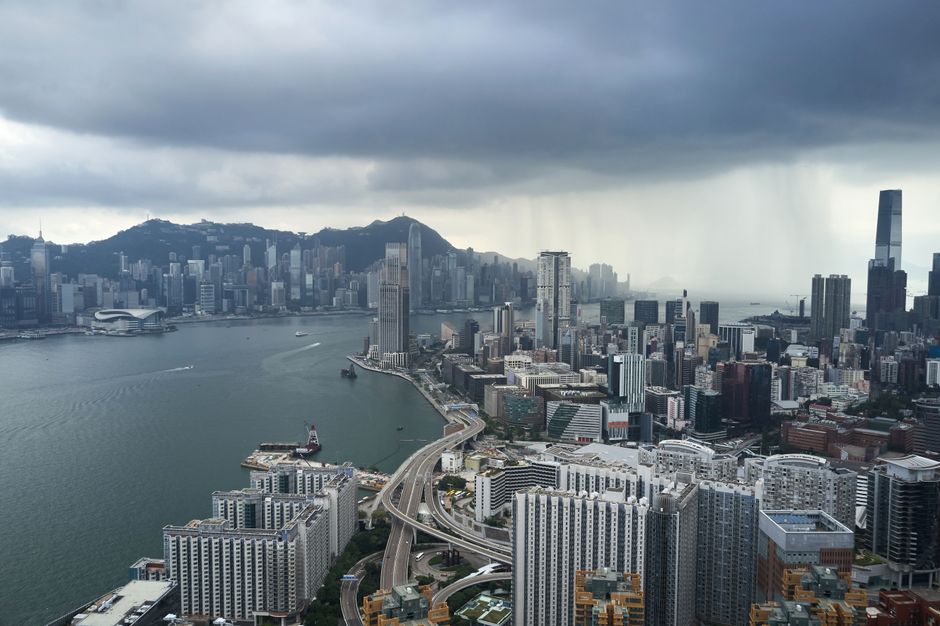
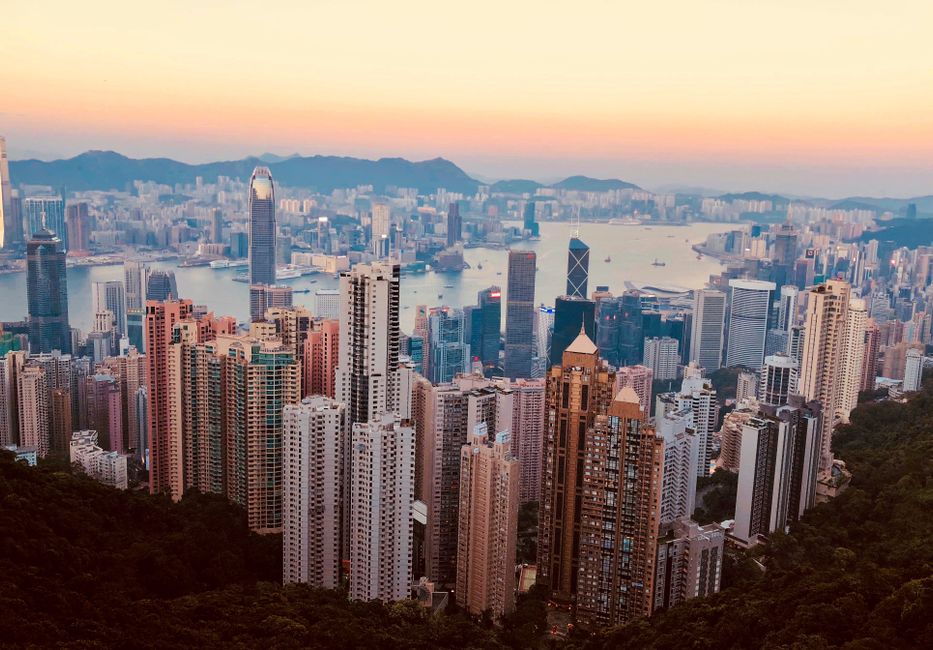
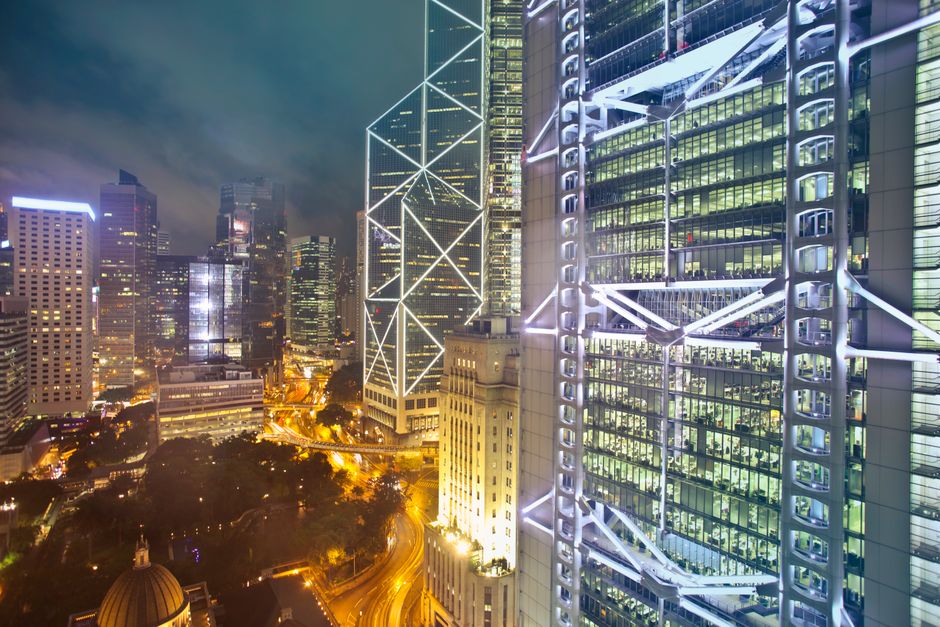
If you've noticed fewer boutique coffee shops on Des Voeux Road Central lately, or spotted empty storefronts in Causeway Bay, you're witnessing a fundamental reshaping of Hong Kong's commercial property market—and it's about to touch your life in unexpected ways.
The numbers tell a striking story. Hong Kong's office vacancy rate has climbed to 8.5% by mid-2026, the highest in nearly a decade, according to property analysts tracking the Central Business District. Prime office rents in Central have softened to HK$80–95 per square foot monthly, down from sustained peaks above HK$110 just three years ago. For residents, this translates into business relocations, neighbourhood disruption, and shifting commercial dynamics across the city.
The shift is reshaping where businesses choose to set up. Mid-tier companies are no longer willing to pay premium Central rents when serviced offices in Quarry Bay or Tai Koo offer comparable connectivity at 40% lower cost. This migration is hollowing out traditional commercial hubs while revitalising secondary districts—but it also means your local neighbourhood may soon look dramatically different.
Take residential rent as a bellwether. When office tenants downsize or flee expensive districts, landlords increasingly convert commercial or mixed-use space into apartments. This intensifies pressure on already-tight housing stock, particularly in districts like Mong Kok and Sham Shui Po, where ground-floor retail is being carved into micro-units. Your neighbourhood's character—and your ability to find amenities—is being rewritten by these commercial decisions.
Commuting patterns are shifting too. With fewer workers anchored to Central, MTR congestion during peak hours has noticeably eased on the Island Line, while demand for transport to emerging office clusters around Kowloon East has surged. If you use public transport, you're already experiencing this realignment.
The bigger picture: Hong Kong's commercial property crisis reflects deeper anxieties about the city's competitiveness and future. Hybrid working, which accelerated post-2020, means fewer bodies in offices daily. Multinational firms are consolidating Asia-Pacific headquarters elsewhere. Regional uncertainty has made long-term leases riskier. These macro forces directly affect whether your neighbourhood thrives, which shops survive, and how aggressively landlords pursue rental increases on your flat.
For everyday residents, the lesson is straightforward: commercial property trends aren't abstract market mechanics. They determine which streets stay vibrant, which neighbourhoods transform rapidly, and ultimately, how livable your district remains. Pay attention to vacancy rates, office relocations, and conversion announcements in your area—they're early signals of how Hong Kong itself is evolving.
This article was compiled by AI and screened before publishing. See our editorial standards.