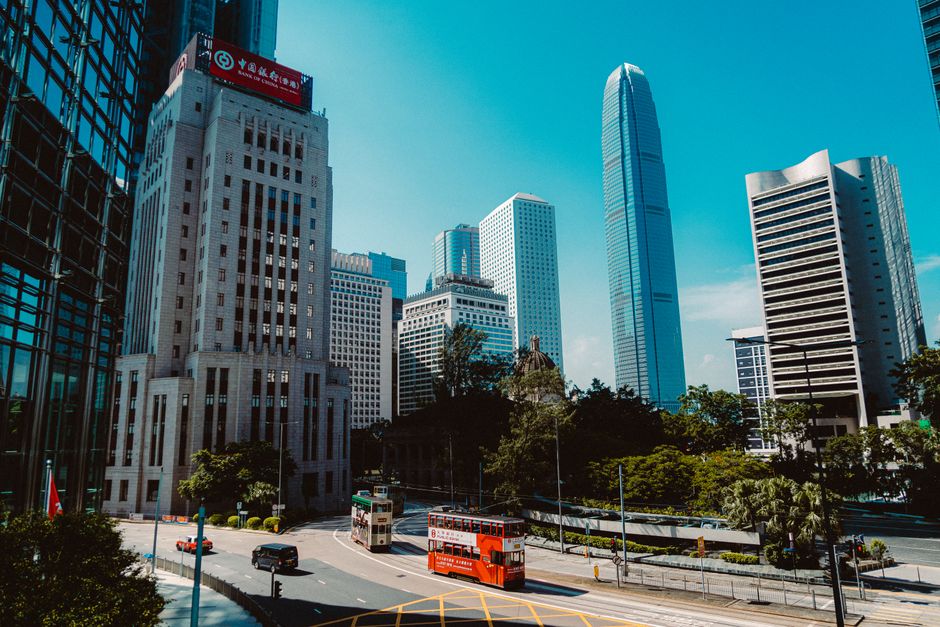
Hong Kong's tourism sector is flashing green lights across multiple economic dashboards, with visitor numbers climbing 34% year-on-year to 8.2 million arrivals in the first half of 2026. But beneath headline growth figures lies a more nuanced story about capital deployment, sectoral confidence, and what international investors are actually betting on.
The numbers matter because tourism doesn't exist in isolation. When luxury hotel occupancy rates in Central and Wan Chai climb above 85%—up from 62% two years ago—it signals something broader: foreign capital confidence in Hong Kong's status as a premium destination. Average daily room rates have climbed to HK$1,850, reflecting not just pent-up demand but genuine willingness to pay. This matters to fund managers and property investors watching yield trajectories across Asia.
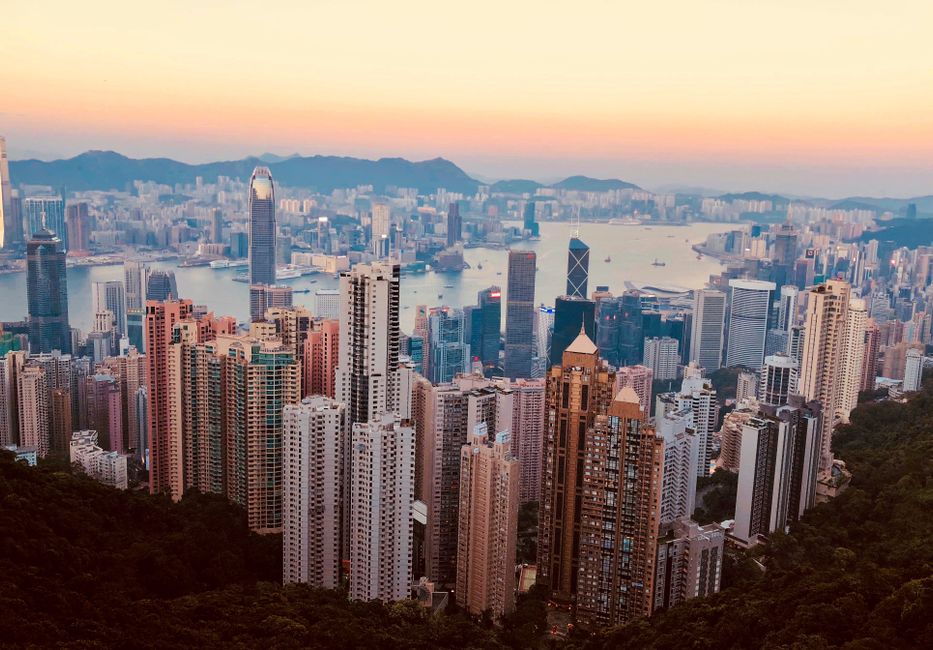
Major hospitality groups have taken note. Recent announcements of renovations at flagship properties along The Peak Tram area and expanded F&B offerings in Lan Kwai Fong represent real capital redeployment—estimated at HK$2.3 billion across the sector this year alone. These aren't speculative plays; they're disciplined investments tied to measurable visitor metrics and spending patterns.
The flow of capital extends beyond hotels. Retail sales in tourist-heavy zones like Causeway Bay and Tsim Sha Tsui jumped 28% year-on-year, with jewellery and watches—traditional Hong Kong strengths—driving growth. This translates to higher commercial rents, which in turn affects property valuations citywide. When a square foot of retail space on Des Voeux Road Central commands HK$2,100 annually, it's a signal that businesses believe foot traffic will sustain premium pricing.
Aviation data provides perhaps the clearest indicator of investor confidence. Cargo throughput at Hong Kong International Airport hit record levels this quarter, with tourist-related logistics and e-commerce fulfillment driving volume. This matters because it shows the ecosystem working: visitors spend money, businesses expand operations, supply chains grow more efficient, and employment follows.
Yet headwinds exist. Regional competition from Macau and Singapore means Hong Kong must continuously upgrade experiences. A typical visitor now spends HK$8,900 during their stay—up 19% from 2024—but length of stay hasn't expanded proportionally, suggesting time constraints rather than deepening engagement.
The investment implication is straightforward: Hong Kong's tourism recovery is real, capital is moving decisively into hospitality and retail infrastructure, and macroeconomic conditions appear sound enough to justify major expenditure. For investors monitoring Asian travel and leisure sectors, these indicators suggest the city remains a strategic priority for institutional capital seeking exposure to premium, international consumer spending.
This article was compiled by AI and screened before publishing. See our editorial standards.