Walk down Des Voeux Road Central on any weekday morning, and you'll see Hong Kong's middle class grappling with an uncomfortable reality: their money doesn't stretch as far as it once did. For everyday residents trying to make sense of rising costs against stagnant investment returns, the equation has become genuinely challenging.
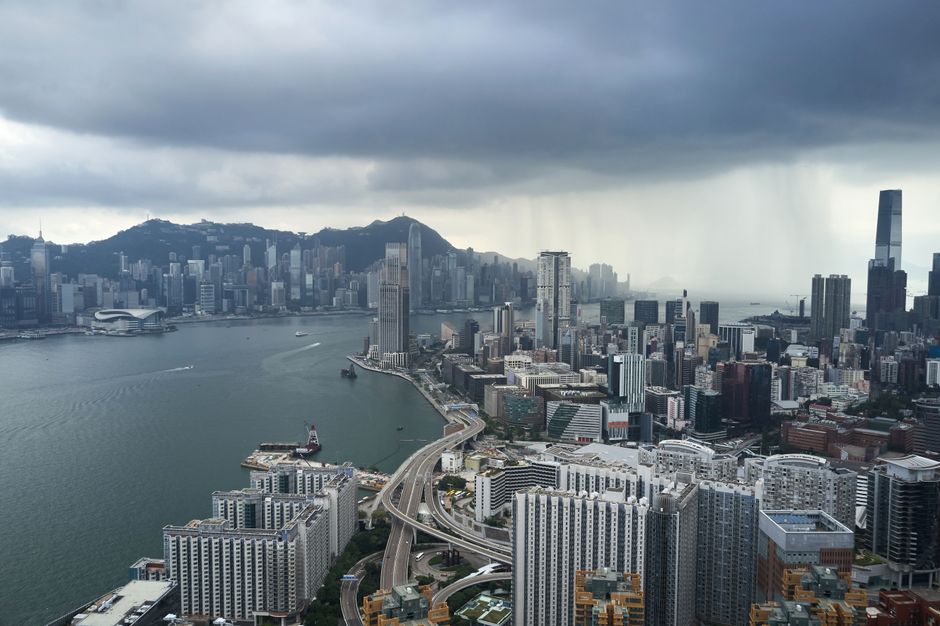
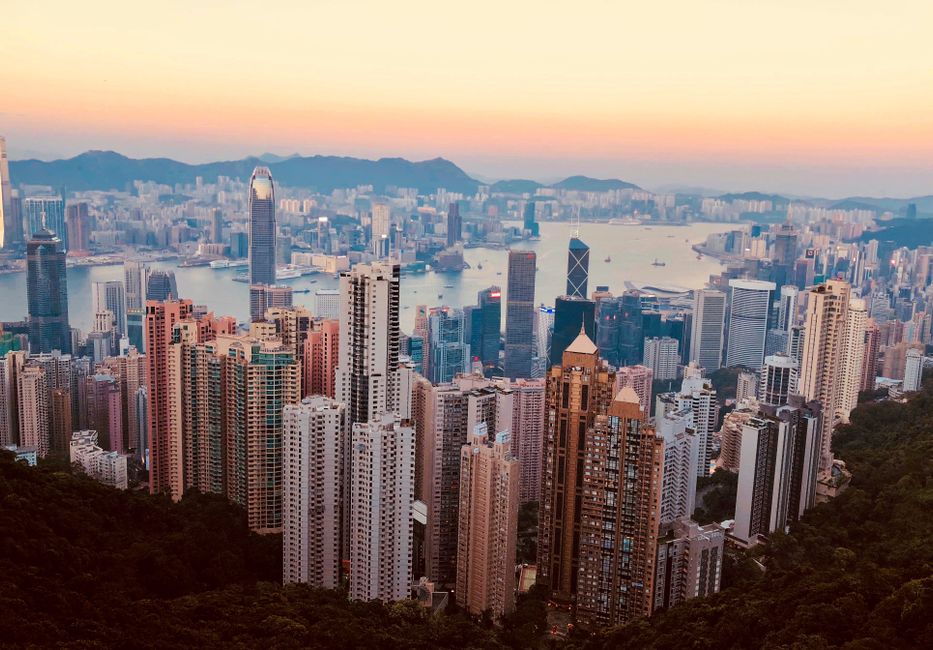
Housing remains the elephant in the room. A two-bedroom apartment in Mid-Levels commands roughly HK$12 million, while comparable properties in Causeway Bay hover around HK$15 million. For young families and first-time buyers, these figures represent not aspirations but impossibilities. Even rental markets tell a sobering story—a modest one-bedroom flat in Mong Kok now averages HK$18,000 monthly, consuming nearly 40 percent of what many professionals earn.
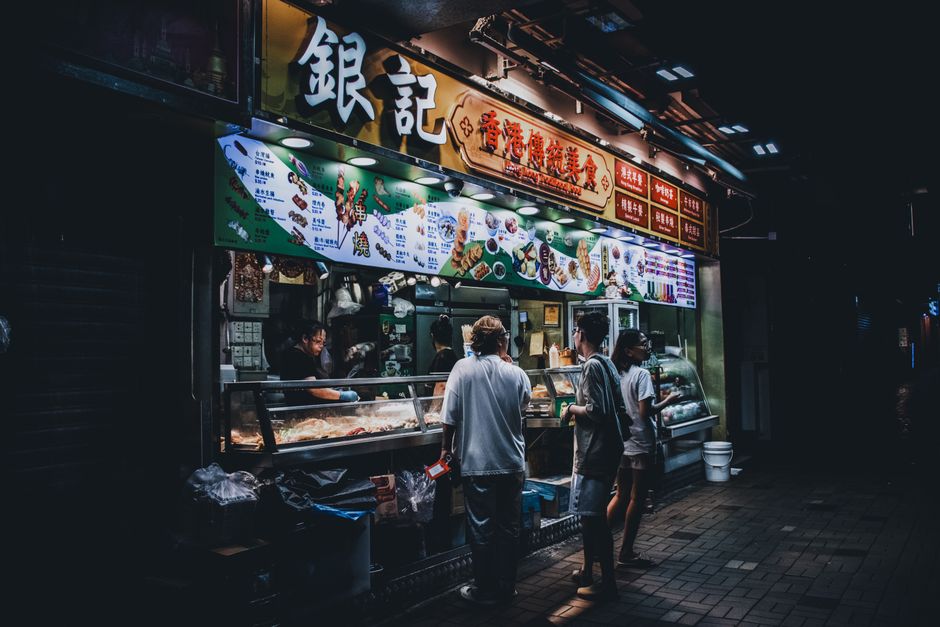
But it's not just property. Neighbourhood grocers along Jaffe Road and wet markets in Sheung Wan report that staple costs have climbed steadily. A basket of everyday items—rice, vegetables, cooking oil—costs roughly 15 percent more than two years ago. School fees at international institutions in The Peak and Hong Kong Island continue their relentless upward march, now exceeding HK$200,000 annually for primary education.
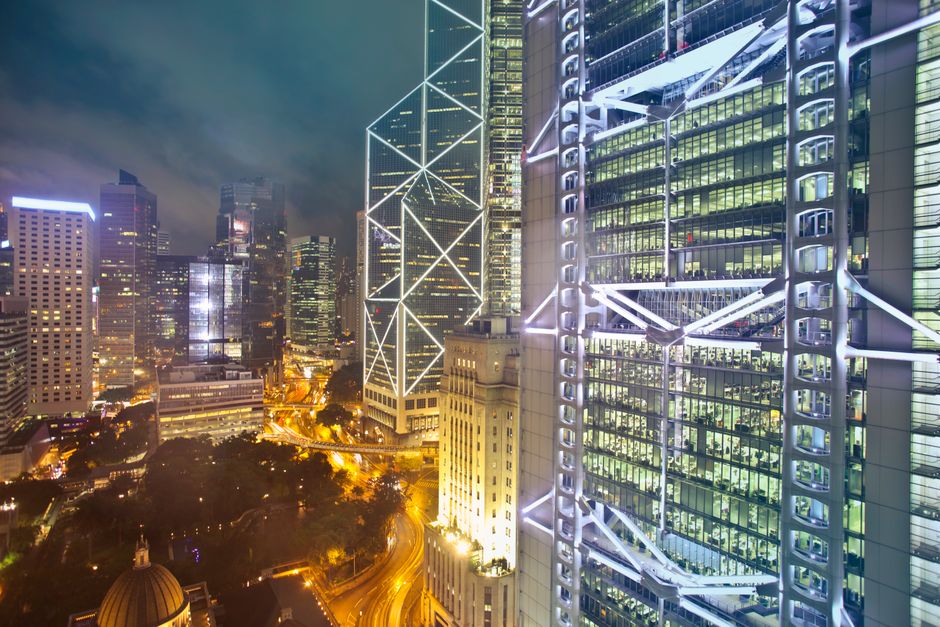
Investment returns tell an equally sobering tale. Bank deposit rates, while marginally improved from pandemic lows, barely keep pace with inflation. Hong Kong residents accustomed to property appreciation as their primary wealth-building tool find themselves in an unfamiliar landscape where traditional investment strategies deliver diminishing gains. The Hang Seng Index's volatility has spooked retail investors, with many questioning whether stock market exposure remains prudent.
Here's what matters for your household budget: understand the difference between wants and needs. That afternoon coffee from a Causeway Bay café—now HK$60—accumulates to HK$15,000 annually. Transportation costs, utility bills, and insurance premiums all inch upward yearly, yet wages often fail to match pace.
Consumer financial planners in Central stress the importance of diversification and realistic expectations. Rather than chasing speculative returns, families should prioritise emergency savings covering three to six months of expenses—increasingly critical in volatile economic periods. Those with property aspirations must acknowledge that traditional purchase timelines have fundamentally shifted.
The uncomfortable truth facing Hong Kong residents is this: personal financial security no longer depends primarily on property ownership or lucky market timing. It demands disciplined budgeting, realistic investment expectations, and honest conversations about what you can genuinely afford. That conversation starts with understanding where your money actually goes.
This article was compiled by AI and screened before publishing. See our editorial standards.