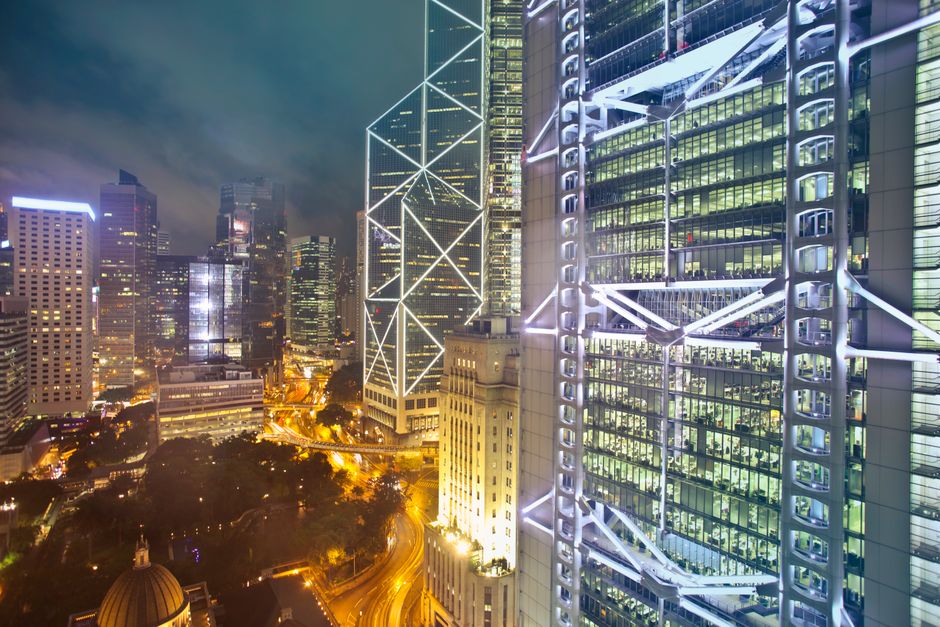
Hong Kong's much-anticipated tourism renaissance is hitting turbulence. While visitor arrivals have recovered to roughly 70 per cent of pre-2020 levels, the sector faces a constellation of challenges that are testing the resilience of hotels, restaurants, and attractions from Central's luxury district to the vibrant street markets of Mong Kok.
The most immediate problem is regional competition. Singapore, Seoul, and Bangkok have aggressively marketed themselves to international travellers, investing heavily in new attractions and competitive pricing. Hotel occupancy rates in Hong Kong have plateaued at around 82 per cent year-to-date, down from projections of 90 per cent, while average room rates along Nathan Road and in Tsim Sha Tsui have softened. Mid-range properties report particular strain, caught between luxury operators and budget chains expanding across Southeast Asia.
Macau's recovery has further fragmented the regional visitor economy. Chinese mainland tourists—historically Hong Kong's largest source—increasingly opt for the proximity and favourable policies in Macau, leaving Causeway Bay and Central's retail corridors quieter than expected. Transportation integration improvements have made cross-border travel frictionless, paradoxically working against Hong Kong's interests.
Domestic labour shortages compound the problem. The hospitality sector faces persistent staffing gaps, particularly in housekeeping and F&B roles, pushing wage costs higher and squeezing already-thin margins. Major hotel groups operating properties from the Repulse Bay to Victoria Harbour report difficulty filling positions, forcing some to reduce service hours.
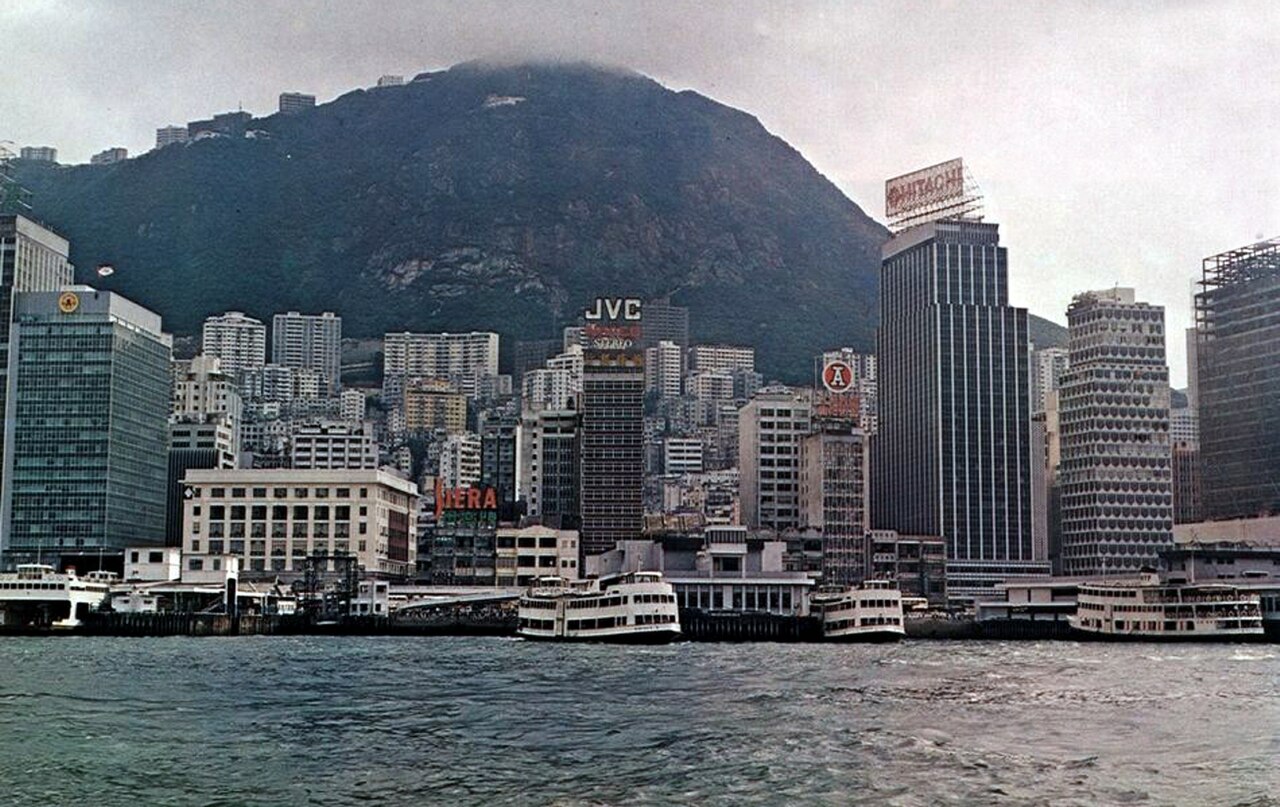
Volatility in long-haul travel patterns presents another obstacle. While business travel has largely normalised, leisure travel from Europe and North America remains erratic—sensitive to geopolitical tensions and economic uncertainty elsewhere. Tour operators report booking patterns far less predictable than the steady pre-pandemic rhythms that once filled the Star Ferry terminals with organised groups.
The aviation sector, too, faces headwinds. Hong Kong International Airport's cargo-heavy schedule during lean leisure periods masks underlying passenger weakness on certain international routes. High fuel costs and competitive capacity from other Asian hubs have constrained airline pricing power, reducing per-passenger yields.
Yet some operators remain optimistic about tailwinds. Mega events—including international conferences and sporting fixtures scheduled for late 2026—could provide temporary boosts. Enhanced digital marketing and renewed focus on experiential tourism around neighbourhoods like Sheung Wan may reshape visitor patterns.
Industry leaders, however, acknowledge the sector needs structural innovation to compete effectively. Without addressing labour constraints, differentiating Hong Kong's appeal beyond shopping, and stabilising visitor flows, the recovery trajectory could extend well beyond current projections. The next 18 months will be critical in determining whether 2026 marks the beginning of sustainable growth or a prolonged period of adjustment.
This article was compiled by AI from the sources linked above and screened before publishing. See our editorial standards.