Hong Kong's financial markets are sending unmistakable signals to investors and business operators: adapt or fall behind. Six months into 2026, the convergence of regional geopolitical tensions, currency fluctuations, and evolving consumer behaviour is forcing a strategic reckoning across sectors from retail to logistics.
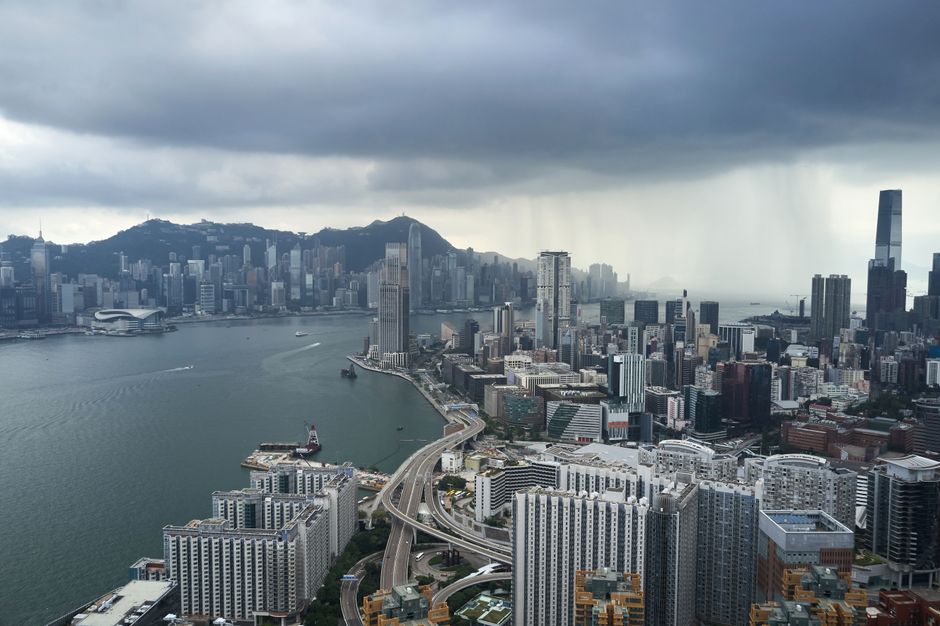
The Hong Kong dollar's stability against the US dollar masks deeper pressures. While the linked exchange rate framework holds firm, carry trades and capital flows are becoming increasingly unpredictable. Businesses operating along the Central to Wan Chai corridor and across the New Territories are reporting cash flow challenges as international clients delay payment decisions. For mid-sized exporters based in Kwun Tong's industrial zones, working capital management has become as critical as product quality.
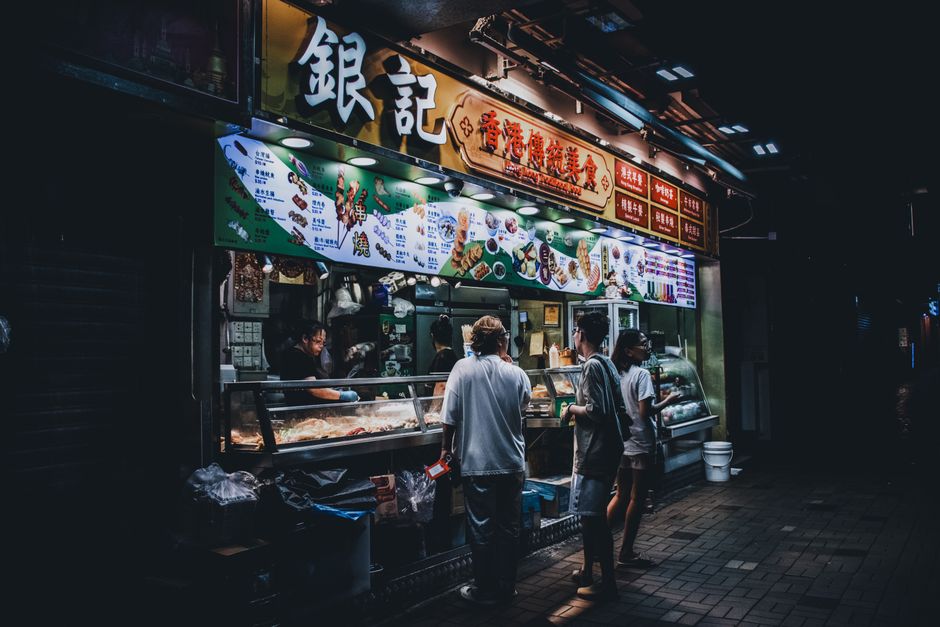
Real estate presents a paradox. Commercial rents in prime office districts remain elevated, yet occupancy rates in secondary locations—particularly around Causeway Bay and Mong Kok—show concerning softness. Retail operators report that foot traffic on Des Voeux Road Central remains resilient, but conversion rates have declined roughly 8-12 percent compared to the same period last year, according to preliminary data from the Real Estate Developers Association. Consumer hesitation appears driven less by unemployment than by uncertainty about discretionary spending.
This hesitation is measurable. While luxury goods sales remain robust among established high-net-worth individuals, mid-market retail spending has contracted noticeably. A typical family budget in Mid-Levels or Repulse Bay now allocates differently toward savings, reflecting broader caution about international conditions.
For businesses, the operational implication is clear: cost management is not optional. Supply chain diversification away from single-source dependencies has become mainstream practice, particularly among companies with manufacturing links to Southeast Asia. Those investing in digital infrastructure—from e-commerce platforms to data analytics capabilities—are seeing measurable returns that justify capex spending.
The Hang Seng Index's volatility has created opportunity for disciplined investors, but it has also tightened credit conditions for small and medium enterprises. Banks operating from headquarters in Central remain cautious on SME lending, even as they maintain competitive spreads for larger corporates.
Industry bodies and the Hong Kong General Chamber of Commerce report that business confidence indices remain above historical lows, yet optimism is decidedly muted. Companies are planning conservatively for 2026-2027, with hiring freezes and project deferrals more common than expansion plans.
The takeaway for Hong Kong's business community: positioning for resilience matters more than pursuing growth in the near term. Market trends suggest a transition toward consolidation among weaker players and selective expansion among those with strong balance sheets and operational flexibility.
This article was compiled by AI from the sources linked above and screened before publishing. See our editorial standards.