Hong Kong's office market is experiencing a tale of two economies. While prime Central locations command premium rents, second-tier neighbourhoods face mounting pressures that tell us much about where capital is flowing—and where it's retreating.
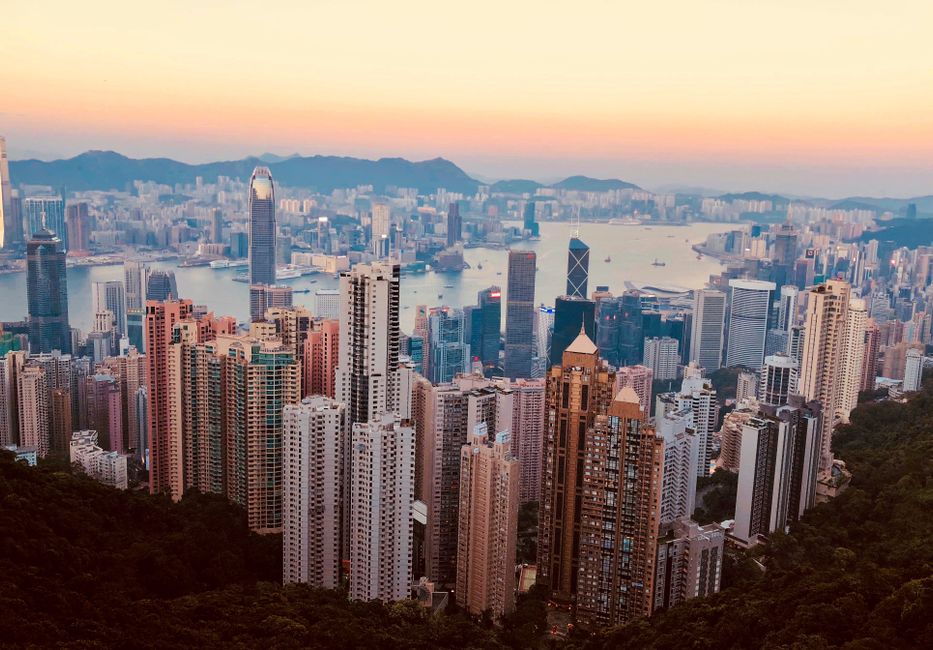
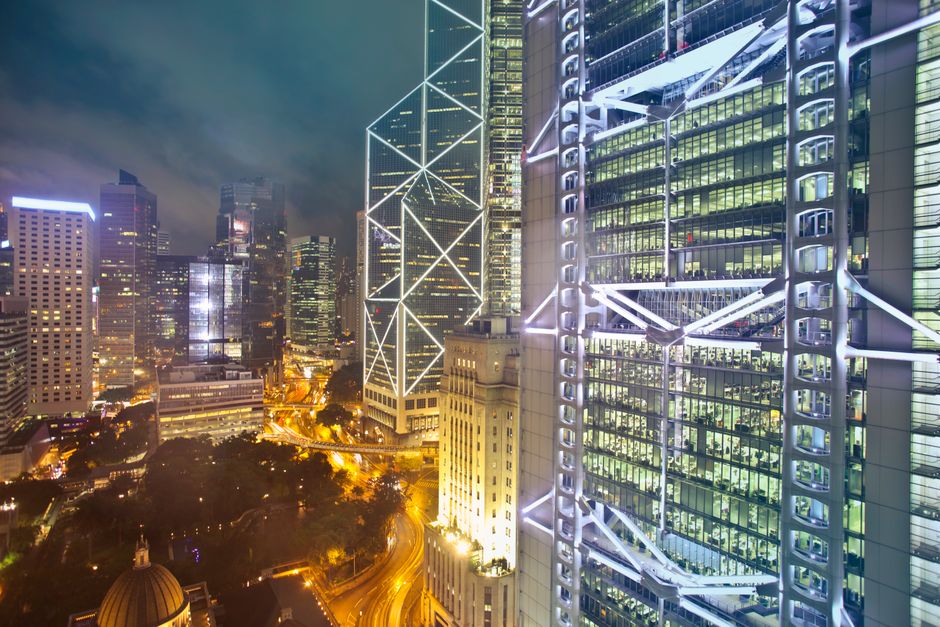
The latest data shows Central's Grade A office space hovering around HK$50–55 per square foot monthly, a modest decline from 2025 peaks. Yet vacancy rates have crept toward 8–9%, the highest in over a decade. This seemingly contradictory picture reveals investors and tenants making calculated choices about location and cost-efficiency.
The shift is evident across districts. Causeway Bay and Wan Chai have seen increased leasing activity as multinational firms relocate from the core to reduce occupancy costs. Mid-level rents in Wan Chai—hovering near HK$30–35 per square foot—offer meaningful savings without sacrificing connectivity. This arbitrage is attracting both established corporations and emerging tech and fintech operators seeking operational flexibility.
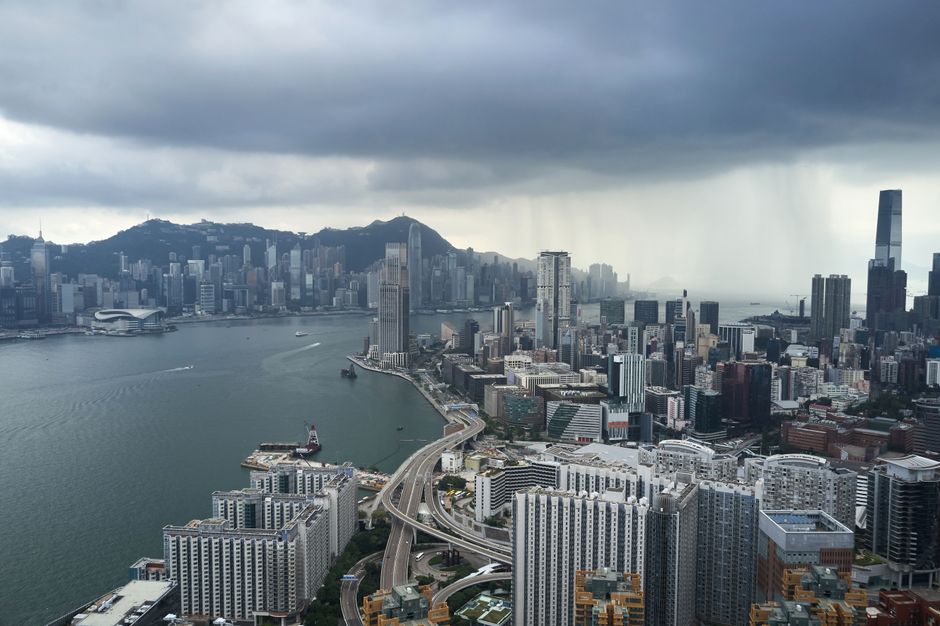
Investment flows reflect this recalibration. Cross-border capital, traditionally concentrated on ultra-prime Central addresses, is diversifying. Real estate investment trusts and institutional funds increasingly target mixed-use developments in emerging clusters like Kowloon East and Quarry Bay, where Grade B properties trade at yields 150–200 basis points above Central equivalents.
Several economic indicators explain the shift. Hong Kong's office-using employment, particularly in finance and professional services, has faced headwinds from regional competition and remote-working adoption. The city's commercial real estate yield compression—now around 2.5–3% on prime assets—has prompted yield-hungry investors to look beyond iconic addresses.
Currency movements matter too. The Hong Kong dollar's stability against the US benchmark has reduced hedging advantages that previously attracted offshore capital. Meanwhile, rising interest rates have dampened speculative buying and elevated required returns across the board.
For occupiers, flexibility has become paramount. Shorter lease terms, co-working partnerships, and hub-and-spoke office models have grown more prevalent. Landlords in secondary locations—particularly newer stock in areas like Kowloon Bay and Wong Chuk Hang—have adapted faster to these preferences, offering modular spaces and modern amenities at competitive rates.
Looking ahead, the market faces structural questions. Hybrid work normalisation suggests Hong Kong's office footprint may contract by 10–15% over the next three years. Yet the city's role as a regional headquarters for multinational firms remains resilient. Investors tracking flight patterns of capital will watch carefully which landlords adapt fastest to demand for quality over mere scarcity.
This article was compiled by AI from the sources linked above and screened before publishing. See our editorial standards.