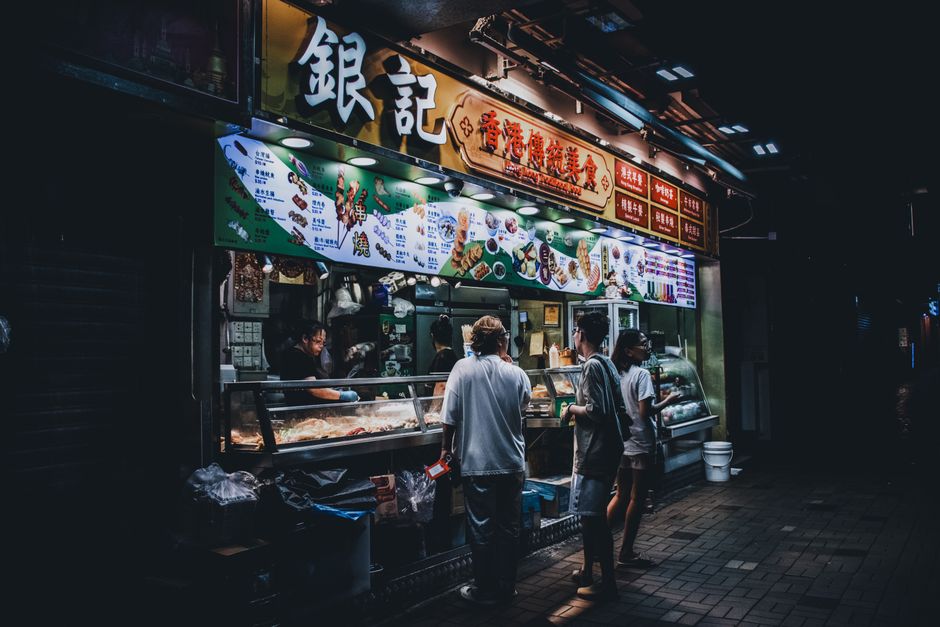
The coffee shop owner on Pottinger Street in Central, the dim sum restaurant tucked into a Mong Kok alleyway, the freelance designer working from a co-working space in Wong Chuk Hang—these are Hong Kong's lifeblood. Yet this year, accessing the government grants and subsidies that help keep such operations afloat has become significantly harder.
The Small and Medium Enterprises (SME) sector, which accounts for roughly 98% of Hong Kong's business establishments and employs over 1.3 million people, faces a perfect storm in 2026. The government's Special Scheme to Support Employment of Local Talents in SMEs has tightened eligibility criteria, now requiring participating businesses to demonstrate turnover of at least HK$5 million annually—up from HK$3 million in 2024. For many neighbourhood retailers and service providers, that threshold is insurmountable.
Meanwhile, the Budget allocation for the SME Development Fund has been reduced to HK$200 million, down 15% from last year's allocation. Competition for these funds has grown fierce, with applications processing times stretching to four months or longer. Business owners report that outdated application systems and complex documentation requirements favour larger, well-resourced firms capable of hiring consultants to navigate the bureaucracy.
The Hong Kong General Chamber of Small and Medium Businesses warned this month that at least 12% of surveyed members are considering closure or relocation if support mechanisms don't improve. Rental pressures remain acute—even in secondary locations like Causeway Bay and Kwun Tong, monthly commercial rents have not retreated from 2025 peaks. A typical 300-square-foot retail unit now commands HK$30,000-50,000 monthly.
Sectors particularly hard hit include F&B establishments, retail shops, and salon services—precisely those that employ significant numbers of lower-income workers and contribute substantially to Hong Kong's street-level vitality. Organizations like the Federation of Hong Kong Industries have been pressing the government for expanded grant schemes and lower compliance barriers, but action remains incremental.
Some silver linings exist. The Hong Kong Trade Development Council continues offering export-focused subsidies, and certain district councils maintain localized support schemes. The Rise Fund, targeting young entrepreneurs, remains relatively accessible. Yet small business operators across the city increasingly report fatigue with the application process itself—and growing uncertainty about whether Hong Kong's institutional support for SMEs can keep pace with the sector's actual needs.
This article was compiled by AI from the sources linked above and screened before publishing. See our editorial standards.