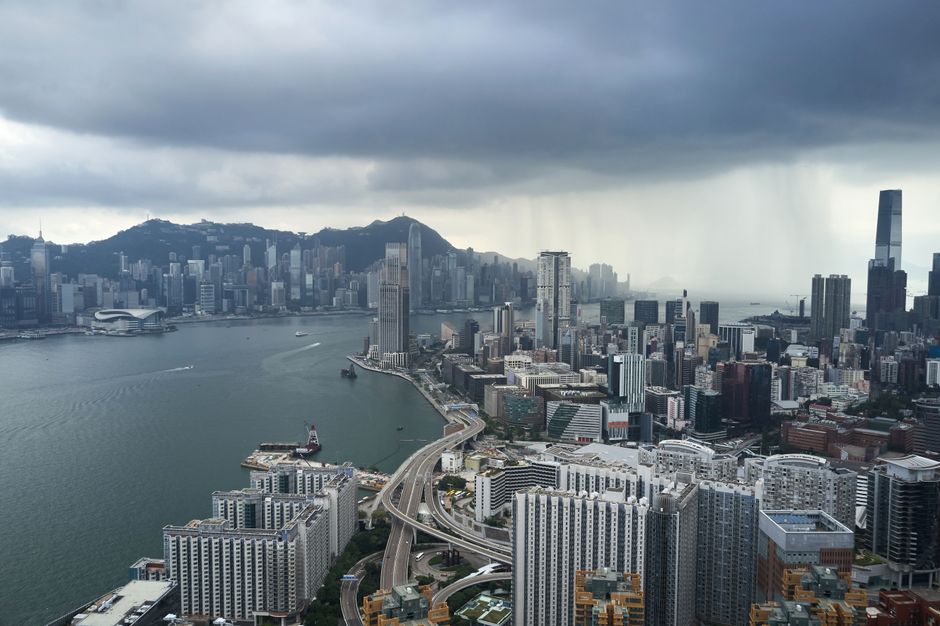
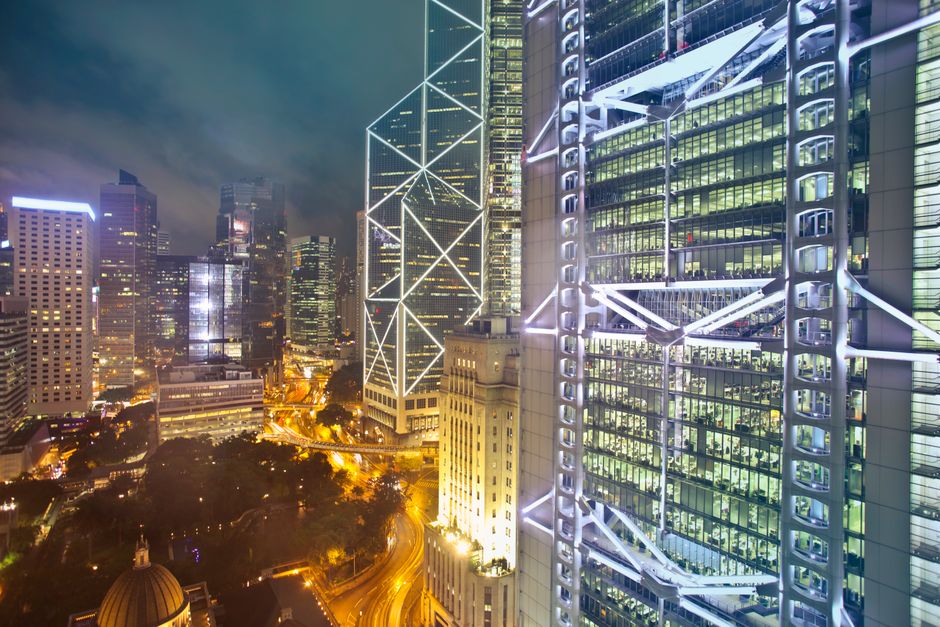
The Hong Kong office market has undergone a seismic shift over the past 18 months, with traditional long-term leases giving way to agile, modular arrangements. At the forefront of this transformation is Mei-Ling Properties, a mid-sized developer whose innovative approach to commercial real estate has caught the attention of institutional investors and multinational firms alike.
Founded in 2015, Mei-Ling Properties has pivoted sharply from conventional landlord models. The company now operates three flagship adaptive office complexes: one in Sheung Wan's bustling Des Voeux Road corridor, another in the increasingly vibrant Quarry Bay district, and a third in Wong Chuk Hang—zones traditionally overlooked for premium office space. The strategy appears to be paying dividends. Industry figures suggest Hong Kong's flexible workspace sector grew 32% year-on-year, with average monthly rents for serviced offices reaching HK$65 per square foot, up from HK$52 just two years ago.
What sets Mei-Ling's approach apart is its granular focus on tenant needs. Rather than leasing entire floors, the company subdivides spaces into modules ranging from 150 to 800 square feet, allowing startups, boutique consultancies, and remote-working arms of larger corporations to occupy premium locations without prohibitive capital commitments. Each unit comes with shared amenities—high-speed fiber networks, reception services, and event spaces—reducing operational overhead for tenants.
The Quarry Bay development exemplifies this model. Housed in a converted industrial building, the 45,000-square-foot complex now hosts 87 independent businesses, from fintech startups to design agencies. Occupancy rates hover near 94%, significantly above the city's office average of 87%. Meanwhile, traditional office towers in Central have seen vacancy creep toward 9%, reflecting broader market uncertainties.
Industry analysts credit Mei-Ling's success to astute timing and execution. As multinationals reassess their real estate footprints following hybrid work patterns, and as younger entrepreneurs demand flexibility over permanence, the company's model aligns perfectly with market sentiment. Recent valuations suggest the business is worth approximately HK$2.8 billion, up 40% from 2024.
Looking ahead, expansion plans include a flagship development in Kowloon Bay and a tech-focused complex near Cyberport in Aberdeen. These moves signal confidence that adaptive workspaces will remain central to Hong Kong's commercial landscape, even as global economic headwinds persist.
For a city long synonymous with high-rise towers and long-term commitments, the rise of flexible office solutions marks a genuinely transformative moment—one entrepreneur at a time.
This article was compiled by AI from the sources linked above and screened before publishing. See our editorial standards.