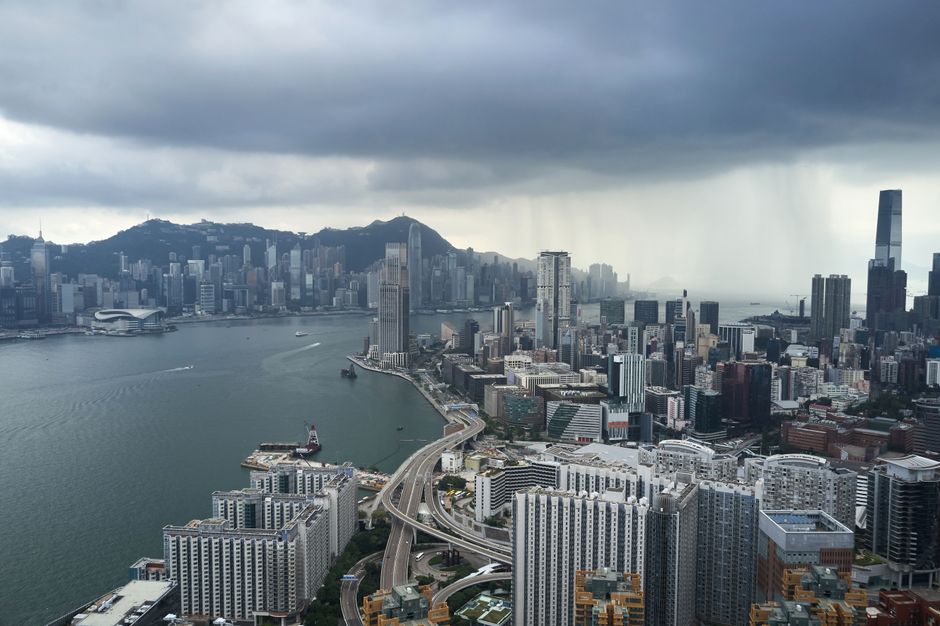
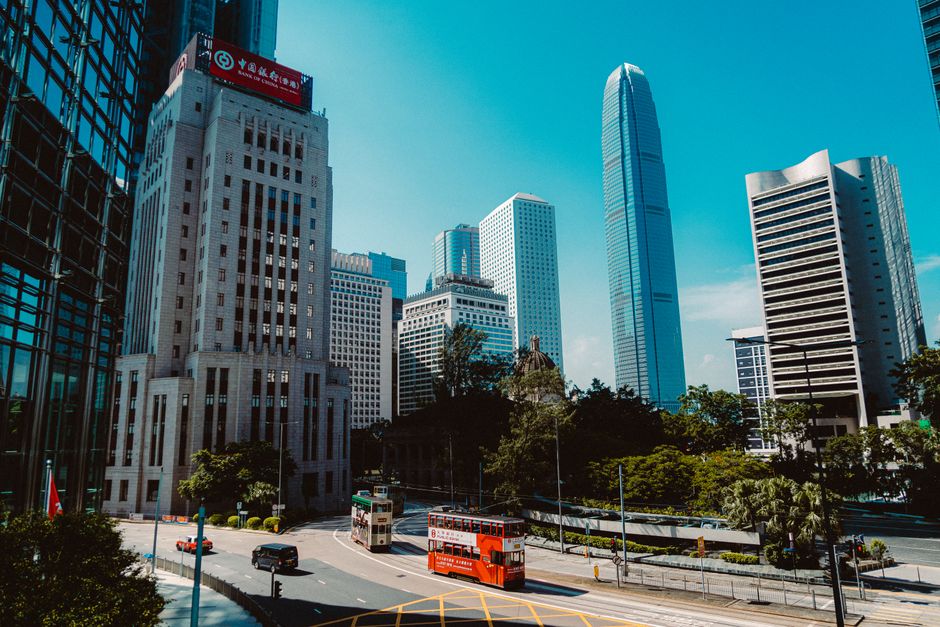
Hong Kong's office market has become a barometer for something deeper than rental rates. The 12.5% vacancy rate in Central—the highest since 2009—alongside simultaneous price increases in premium Grade A towers tells a story about how global capital is moving through Asia's financial hub.
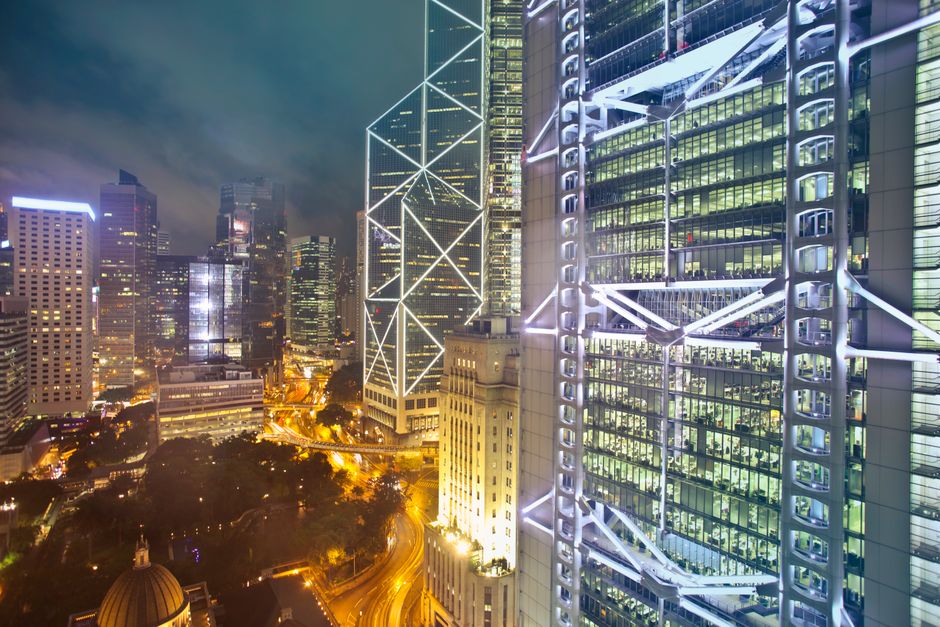
The paradox is revealing. While average rents in Central's core corridors along Des Voeux Road and Queen's Road have climbed 8% year-on-year, many mid-tier buildings in Sheung Wan and Wan Chai are struggling. This divergence points to a fundamental shift in investment behaviour. Global firms are consolidating into trophy addresses—think 2 IFC and the Landmark—where their presence signals stability to clients and regulators alike. Smaller regional offices are being shed as companies optimise their footprints.
The Hong Kong Economic and Trade Office data shows office-sector investment inflows declined 18% compared to this time last year, yet institutional money remains selective rather than absent. Insurance firms and wealth managers from Singapore and Japan are still hunting for space in premium locations, banking on Hong Kong's persistent role as Asia's capital markets gateway. Meanwhile, tech companies that expanded aggressively during the pandemic are now reassessing their overheads.
What does this mean for investors watching the sector? The office market is bifurcating. Secondary grade stock in areas like Causeway Bay and North Point face structural headwinds—expect further yield compression and possible conversions to serviced apartments or co-working. But ground-floor retail and premium office combinations remain attractive, particularly as companies seek flexibility without abandoning prestige.
The Interest Rate Decision by the Hong Kong Monetary Authority continues to shadow these decisions. With borrowing costs reflecting US Federal Reserve moves, developers and institutional buyers are more cautious about leverage. The weighted average cost of capital for office acquisitions has risen, making only the highest-quality assets justify acquisition prices above HK$15,000 per square foot.
Cross-border capital flows also matter. With sanctions discussions affecting Iran-related trade and geopolitical tensions influencing Middle Eastern investment patterns, sovereign wealth funds have become more risk-averse globally. Hong Kong benefits from this conservatism—money still flows here as a perceived safe harbour, even if deployment is more selective.
The lesson for property professionals: read the granular data. Headline figures mask where real capital is moving. In mid-2026, it's flowing upward, into the gleaming towers that anchor confidence. Everything else requires a harder investment thesis.
This article was compiled by AI from the sources linked above and screened before publishing. See our editorial standards.