Business
Retail and Food Sector Braces for Headwinds as Hong Kong Hospitality Faces Perfect Storm
Rising labour costs, softening tourism, and intensifying competition are squeezing margins across F&B and retail in 2026.
2 min read
Updated 3 h ago
Business
Rising labour costs, softening tourism, and intensifying competition are squeezing margins across F&B and retail in 2026.
2 min read
Updated 3 h ago
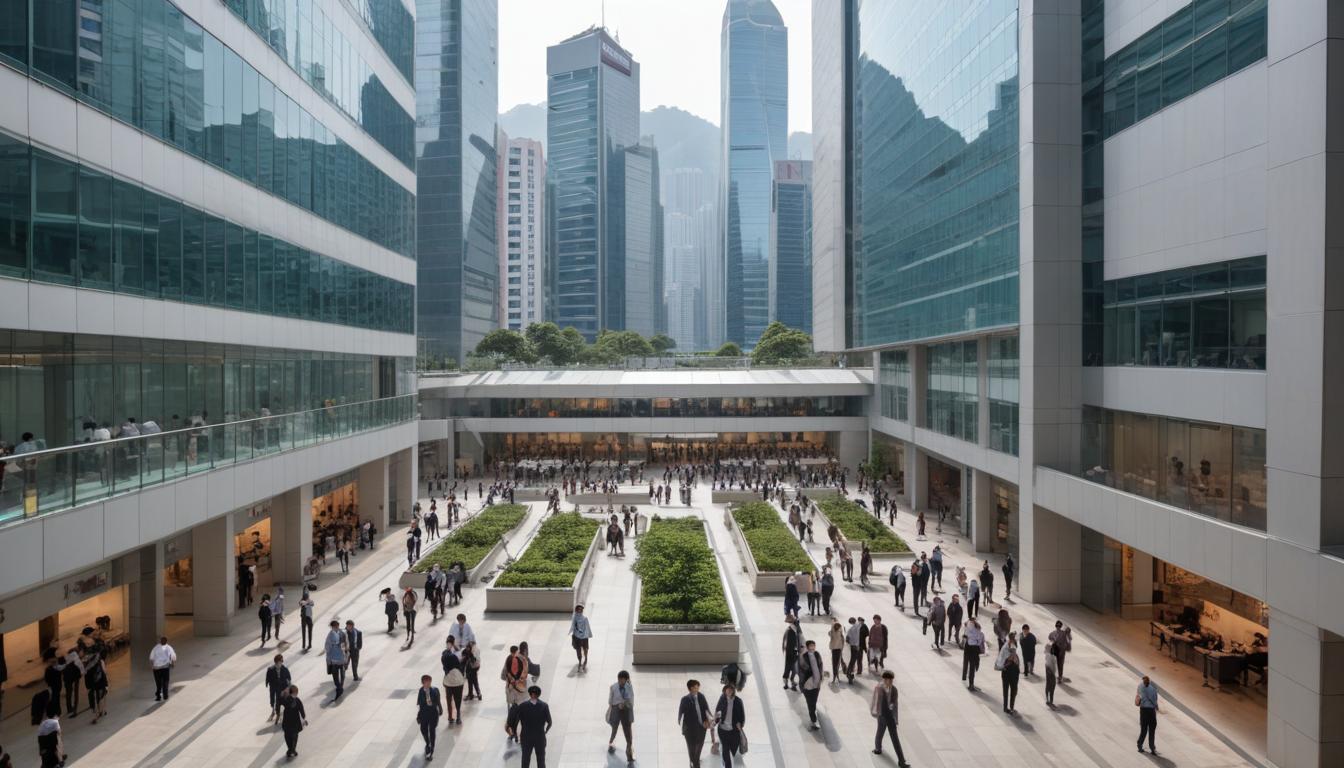
Hong Kong's retail and hospitality sectors are navigating treacherous terrain as mid-year 2026 figures paint a sobering picture of structural challenges that show no signs of easing.
The restaurant and bar scene that once thrived along streets like Lan Kwai Fong and in Causeway Bay's crowded shopping corridors is facing mounting pressure. Labour costs have risen roughly 8-10% year-on-year, with junior kitchen staff now commanding HK$16,000-18,000 monthly and experienced chefs pushing past HK$25,000. Simultaneously, foot traffic to retail districts has plateaued, with visitor numbers to Mongkok and Tsim Sha Tsui showing only modest growth compared to pre-pandemic expectations.
The Hong Kong Retail Management Association reported in April that same-store sales across major shopping malls declined 2.3% in the first quarter, with luxury goods and mid-market fashion particularly affected. Department stores and fashion retailers on Hennessy Road are consolidating their footprints, while independent boutiques face impossible rent calculations. A typical 500-square-foot retail space in Central now commands HK$150,000-200,000 monthly, a figure that demands consistent traffic to justify.
The food sector confronts its own squeeze. Rent escalation—particularly in premium neighbourhoods like Sheung Wan and Soho—combines with ingredient inflation and the rising minimum wage, which stands at HK$37.30 per hour. Smaller operators report thin margins of 8-12%, down from historical norms of 15-18%. Michelin-starred establishments and casual dining chains alike are finding pricing power limited by consumer hesitation and intensifying competition from delivery platforms that now capture roughly 35% of F&B transactions.
Tourism, traditionally a crucial engine, remains uneven. While luxury travellers continue visiting Hong Kong's five-star hotels and high-end restaurants, volume tourism—the segment that fills casual eateries and streetside shops—has underperformed. Regional competitors in Southeast Asia and mainland cities have captured share, particularly among budget-conscious visitors.
Operators increasingly turn to efficiency measures: reduced opening hours, smaller menus, automation in kitchens, and strategic closures of underperforming outlets. The Hong Kong Hotels Association flagged that occupancy rates, whilst respectable, haven't translated to premium pricing, suggesting demand lacks the vigour of previous cycles.
For investors and business owners, 2026 presents a paradox: Hong Kong remains a magnet for global brands, yet the operating environment demands ruthless cost discipline and strategic agility. Those who thrive will likely be businesses offering either exceptional differentiation or operational lean-ness—a narrow path in a sector accustomed to broader margins.
This article was compiled by AI and screened before publishing. See our editorial standards.
Business
Business
Business
Business
About this article
Published by The Daily Hong Kong
Spread the word
Daily brief
Free, in your inbox before 7am. Weekdays.
Before you go
The day's Hong Kong news in a 2-minute read. Free, weekday mornings.