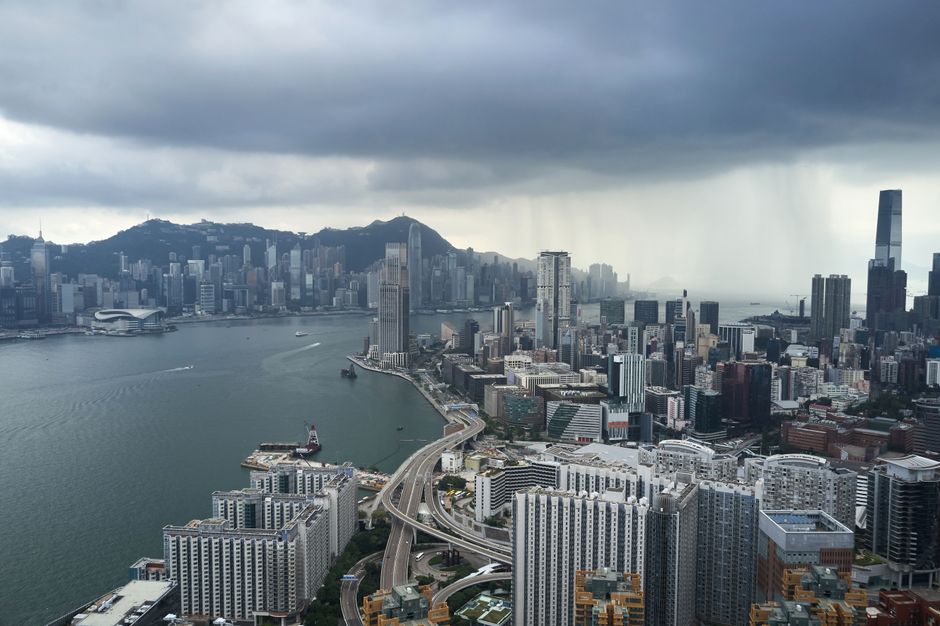
Hong Kong's business community is entering the second half of 2026 facing a complicated picture. While the Hang Seng Index has stabilized around the 18,500 mark following earlier volatility, the real story for operational executives lies beneath headline equity movements: cost pressures are intensifying across multiple sectors, forcing a fundamental rethink of investment priorities.
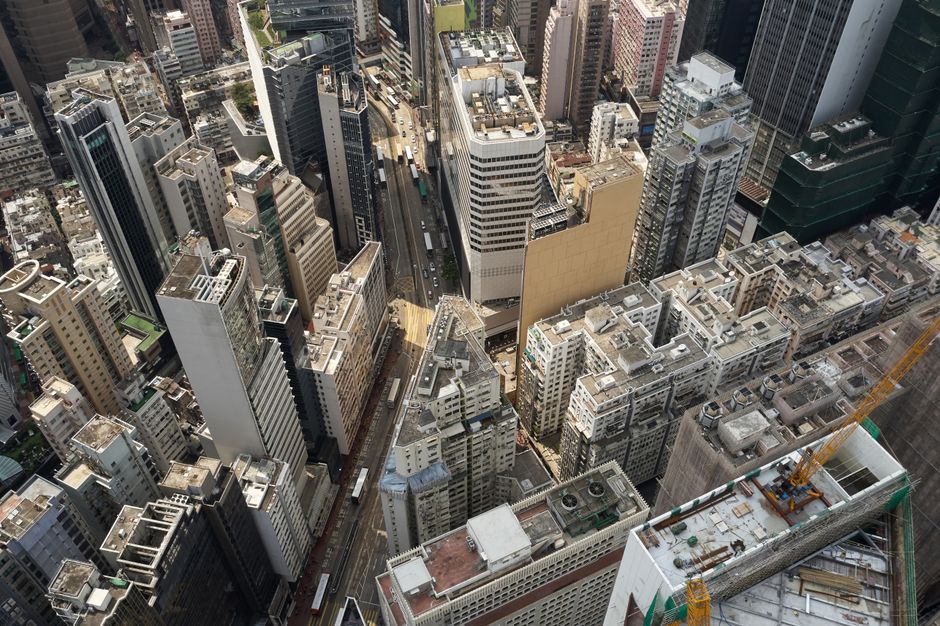
Commercial rents in Central remain stubbornly elevated, with Grade A office space averaging HK$75-80 per square foot monthly—a figure that hasn't budged meaningfully despite economic uncertainty. For mid-sized firms occupying 10,000-15,000 square feet along Des Voeux Road or throughout the International Finance Centre district, this translates to annual occupancy costs north of HK$10 million. The calculus has shifted: remote-work flexibility that seemed temporary in 2023 is now permanent, making landlord negotiations significantly more competitive.
Manufacturing and logistics businesses watching Port of Hong Kong throughput have noticed a plateau. Container volumes hovered near 18 million TEUs in the first quarter of 2026—respectable but showing minimal growth year-on-year. For companies dependent on supply-chain velocity through the port or the New Territories industrial zones, this suggests customers are optimizing inventory more carefully, delaying large orders.
Technology and fintech sectors present a contrasting picture. Several venture capital firms headquartered in Causeway Bay and Wan Chai report a shift toward later-stage funding rounds, with early-stage capital becoming scarcer. Cryptocurrency-adjacent businesses, still navigating post-2024 regulatory clarity, face higher compliance costs—a phenomenon particularly acute for firms operating from premises around Sheung Wan's financial corridors.
What should matter most to decision-makers? First, the cost-of-capital environment isn't loosening. Hong Kong interbank rates remain elevated relative to pre-2024 baselines, making project financing more expensive. Second, consumer spending in retail-heavy neighborhoods like Causeway Bay and Mong Kok shows signs of normalization after earlier post-pandemic exuberance, signaling that retail expansion carries elevated risk. Third, wage inflation in professional services—legal, accounting, audit functions—continues outpacing general inflation, pinching service providers' margins.
For businesses planning capital allocation through year-end, the message is clear: balance-sheet strength matters more than growth velocity. Companies with strong cash reserves can weather the cost inflation cycle; those dependent on regular capital raises face headwinds. The investment community increasingly rewards defensive positioning and margin discipline over topline expansion.
Hong Kong's role as Asia's premier financial hub remains intact, but the 2026 operating environment demands sharper financial management than the past three years required.
This article was compiled by AI from the sources linked above and screened before publishing. See our editorial standards.