Hong Kong's retail hospitality sector is experiencing a marked inflection point. Tourist arrivals in the first five months of 2026 have reached 18.4 million—a 34% year-on-year increase—creating a sweet spot for mid-market operators who can move faster than established players.
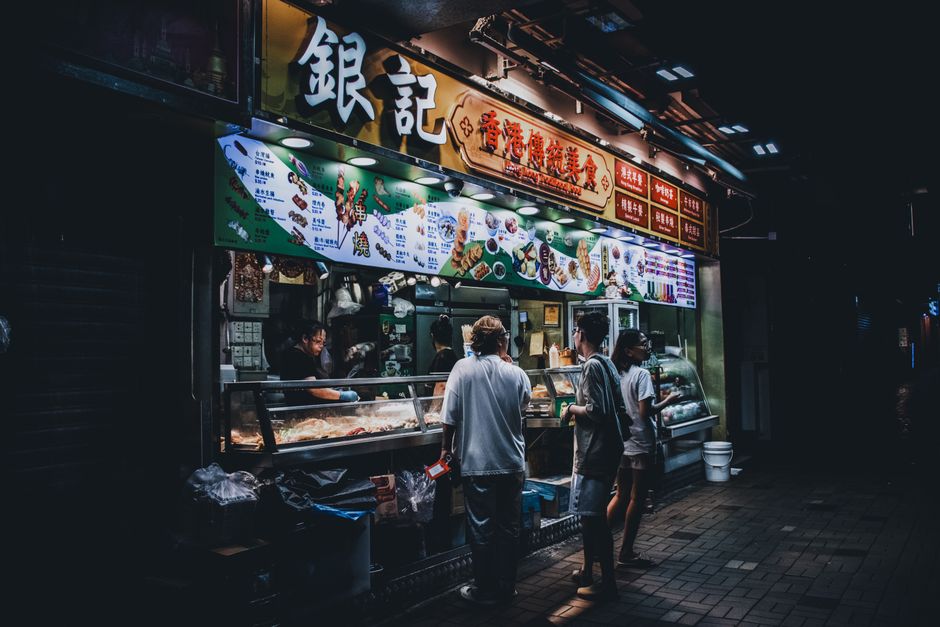
The shift is most visible along Elgin Street in Soho and the emerging Tai Hang dining precinct, where independent operators are outpacing the branded chains that once dominated. Restaurant Group Holdings reported that their smaller-format concepts are growing at double the rate of their flagship properties, while several established chains have consolidated outlets in Central and Tsim Sha Tsui.
The data tells a clear story. Average spend per visitor has stabilized around HK$2,400 during a three-day stay, with 42% dedicated to food and beverage—up from 38% three years ago. But tourists increasingly seek authenticity over branded predictability. Walk-in availability, Instagram-worthy ambience, and locally-sourced offerings now move the needle more than Michelin stars alone.
Several operators are already capitalizing. Two Michelin-starred Étoile has opened a casual sister concept in Wong Chuk Hang, priced at HK$280-450 per head versus HK$680+ at the flagship. Meanwhile, independent operators managing three to five locations are reporting 18-month payback periods—nearly half the investment horizon of five years ago.
The shift extends beyond fine dining. Convenience-format hospitality—casual bistros, noodle bars, dim sum carts with premium positioning—is expanding rapidly in secondary locations. A cluster of new operators has emerged around Fortress Hill and North Point MTR stations, capturing both tourist foot traffic and local repeat business.
Real estate dynamics are enabling this transition. Monthly rents for prime street-level spaces in Mong Kok and Causeway Bay have plateaued at HK$400,000-600,000, while rents in emerging zones like Tai Hang and Wong Chuk Hang remain 35-40% lower. This pricing creates runway for operators to experiment with concept and menu without the margin compression that plagued earlier expansion phases.
However, the window may be time-limited. Labor costs continue climbing—hospitality wage inflation sits at 7.2% annually—and larger chains are preparing second-phase expansion. Multiple sources indicate major international hospitality groups are finalizing commitments for Q4 2026 openings across Kowloon East and the New Territories.
For independent and regional operators, the moment is now. Visitor demand is robust, location economics favor the nimble, and consumer preference has shifted decidedly toward discovery. Those who scale thoughtfully over the next twelve months may establish defensible market positions before the next round of consolidation begins.
This article was compiled by AI from the sources linked above and screened before publishing. See our editorial standards.